Did you know that burning "free" unseasoned wood from your garden could actually cost you over £300 in avoidable chimney repairs and professional cleaning this winter? It's a common trap for homeowners in Warwick and Leamington Spa who are trying to offset rising energy costs. You likely want the comfort of a roaring fire without the nagging fear of chimney fires or the frustration of blackened stove glass. Finding the best fuel for wood burner uk standards is no longer just a matter of preference; it's a necessity for safety and legal compliance under the 2021 "Ready to Burn" legislation.
I'll show you how to select fuels that provide up to 20% more heat output while keeping your flue clear of dangerous creosote. We'll explore the most efficient, legal options available locally to ensure you stay warm and compliant with Warwickshire's smoke control regulations. This guide covers everything from the performance of kiln-dried ash to the cost-effectiveness of modern heat bricks; helping you maximise every pound spent on fuel while protecting your home.
Key Takeaways
- Ensure compliance with UK "Ready to Burn" legislation and identify if your home falls within a Smoke Control Area in Leamington Spa or Warwick.
- Discover why seasoned hardwood is widely considered the best fuel for wood burner uk installations to achieve maximum heat and a longer burn.
- Compare the efficiency of kiln-dried logs and modern smokeless fuels to find the most cost-effective solution for your specific stove type.
- Understand the direct link between fuel moisture content and the accumulation of dangerous creosote and tar within your chimney.
- Learn expert maintenance techniques to protect your stove’s internal firebricks and rope seals from damage caused by poor fuel choices.
Understanding UK Fuel Regulations: What Can You Legally Burn?
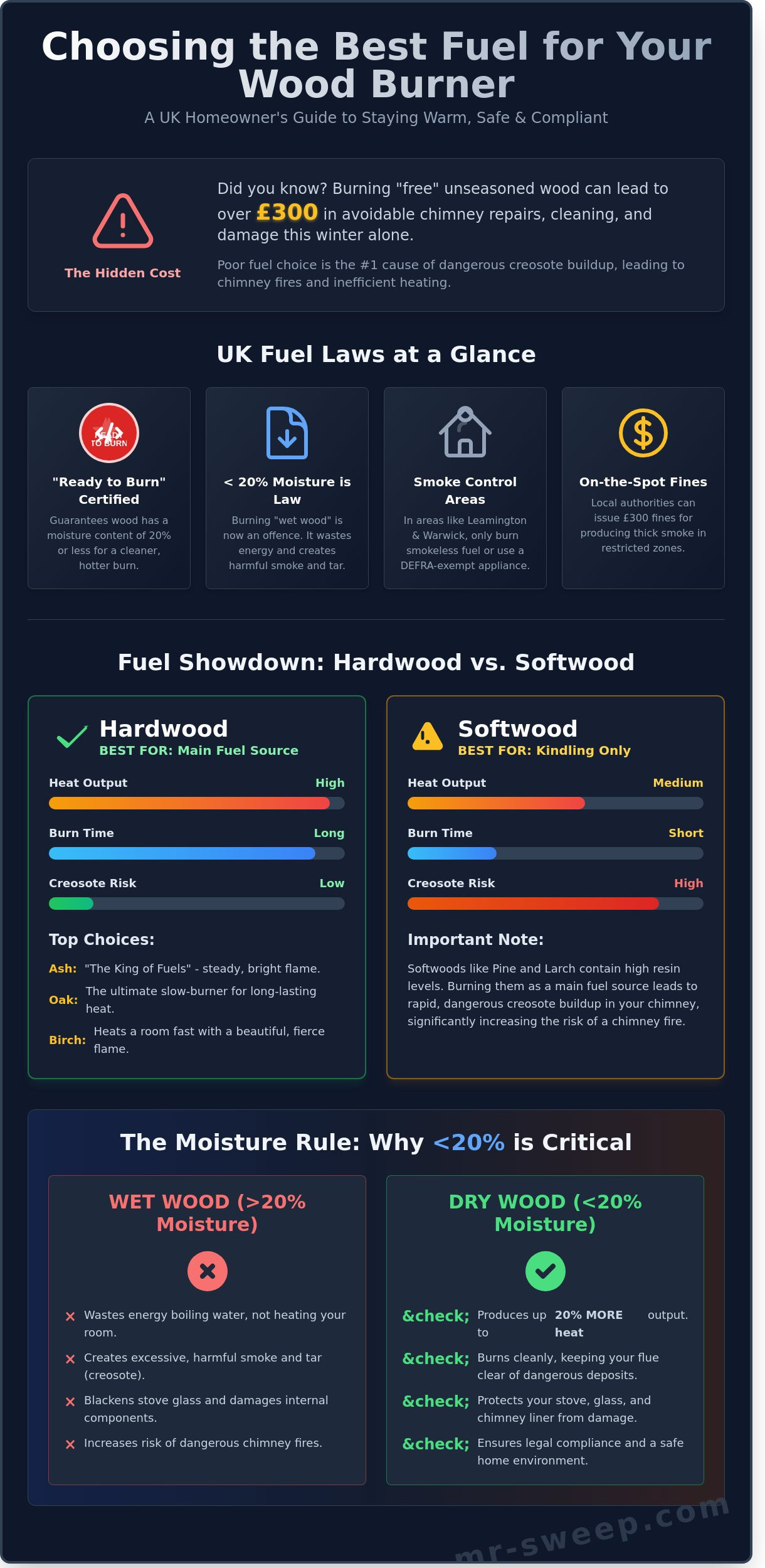
Since May 2021, the landscape for home heating changed significantly across England. The Air Quality (Domestic Solid Fuels) (England) Regulations 2020 now restrict the sale of the most polluting fuels. You can no longer legally buy wet wood in units under two cubic metres or loose house coal for domestic use. These rules aim to reduce PM2.5 emissions, which are tiny particles that can enter the bloodstream and lungs. Finding the best fuel for wood burner uk compliance starts with understanding these legal boundaries. Burning "wet wood" (wood with a moisture content higher than 20%) is now a punishable offence. When you burn damp logs, the energy goes into boiling off the water rather than heating your room. This process creates excessive smoke and tar, which coats your chimney liner and increases fire risks. Local authorities can now issue on-the-spot fines of £300 if they find you're emitting thick smoke in a restricted zone. Consistent breaches can lead to criminal prosecution and much higher financial penalties. If you use a multi-fuel stove, you must only use authorised smokeless fuels. These manufactured briquettes produce significantly less smoke than traditional coal. Using the wrong material doesn't just break the law; it voids your appliance warranty and damages your flue system.Smoke Control Areas in Warwickshire
Most built-up parts of Leamington Spa, Warwick, and Coventry are designated Smoke Control Areas. In these zones, you can't emit smoke from a chimney unless you're using an "exempt appliance" or burning an authorised smokeless fuel. You should check your specific street status on the Warwick District Council or Coventry City Council websites. If your stove isn't DEFRA-exempt, you're restricted to smokeless fuels only. To find the best fuel for wood burner uk regulations in these areas, always look for the Defra approval stamp on your stove's data plate.
The "Ready to Burn" Logo
The "Ready to Burn" certification is your guarantee of quality. This scheme, managed by HETAS and Woodsure, ensures that Wood fuel has a moisture content of 20% or less. You'll find this red logo at reputable retailers in Southam or Kenilworth. Buying unseasoned wood from a roadside trader might seem cheaper, but it's a false economy. You'll use twice as many logs to get the same heat output, and the resulting soot buildup will require more frequent visits from a chimney sweep to keep your home safe.
Hardwood vs. Softwood: Which is the Best Fuel for Your Wood Burner?
Choosing the right logs is the difference between a roaring, efficient fire and a smoky, frustrating experience. The primary distinction lies in the cellular density of the timber. Hardwoods come from deciduous trees like Oak and Ash, which grow slowly and create a compact grain. Softwoods, such as Pine or Larch, grow rapidly and contain high levels of resin. For homeowners seeking the best fuel for wood burner uk standards, hardwood is the superior choice for heat longevity.
Softwood isn't useless, but you must use it strategically. Because of its resin content, it ignites rapidly and reaches high temperatures quickly. This makes it the ideal material for kindling. Once your fire is established, you should transition to hardwood. Burning large quantities of softwood, especially if it isn't perfectly dry, leads to rapid creosote buildup. This tar-like substance coats the inside of your flue and is the leading cause of chimney fires in Warwickshire homes. If you've been burning resinous wood, it's wise to schedule a safety inspection to ensure your flue remains clear.
Top Hardwoods for Warwickshire Stoves
- Ash: Widely regarded as the "King" of fuels. It produces a steady, bright flame and has a naturally lower moisture content than other species, though it still requires proper seasoning.
- Oak: This is the ultimate slow burner. While it takes up to 24 months to season properly, it provides a dense, consistent heat that can keep a room warm throughout a long winter night.
- Birch: If you need to heat a cold room fast, birch is excellent. It produces a fierce heat and a beautiful flame, though it burns through more quickly than oak or ash.
The Moisture Factor: Under 20% is Critical
Burning wet wood is a waste of money. When moisture levels are high, the fire spends its energy evaporating water rather than radiating heat. This process creates thick smoke and harmful particulates. To stay compliant with the UK government's 'Ready to Burn' legislation, any wood sold for domestic use in volumes under 2m³ must be certified as having a moisture content of 20% or less. This law ensures better air quality and protects your appliance from damage.
Seasoned wood is timber dried to below 20% moisture for optimal combustion. You can verify your fuel at home using a digital moisture meter; simply split a log and press the pins into the fresh centre for an accurate reading. If you don't have a meter, look for physical clues. Seasoned logs feel surprisingly light for their size and show deep cracks or "checks" in the grain. When you strike two seasoned logs together, they'll produce a sharp, ringing sound rather than a dull thud.
Smokeless Fuels and Eco-Logs: Modern Alternatives
Finding the best fuel for wood burner uk homes involves balancing heat output with environmental impact. Modern alternatives like heat logs and briquettes often outperform traditional timber. Since the introduction of the UK 'Ready to Burn' fuel regulations in May 2021, the market has shifted towards high-efficiency, low-emission options. These manufactured fuels provide a predictable burn that simplifies stove maintenance and ensures you stay on the right side of the law.
Eco-Briquettes and Heat Logs
Manufacturers create these logs by compressing sawdust and wood chips under extreme pressure. This process eliminates the air pockets and sap that cause sparks and spitting. Homeowners in Barford or Wellesbourne often choose these because they're incredibly space-efficient. You can stack them neatly in a small cupboard rather than requiring a large outdoor log store. Because they contain less than 10% moisture, they burn exceptionally hot. This helps keep your stove glass clear of the black soot and tar that wet wood produces.
Smokeless Coal for Multi-Fuel Stoves
The sale of traditional house coal was phased out in 2021 to improve air quality. You must now use anthracite or manufactured smokeless ovals if you have a multi-fuel stove. These fuels provide a steady, long-lasting heat that's ideal for keeping a home warm overnight. Never put coal of any kind into a dedicated wood burner. The high temperatures can melt the grate and damage the firebricks. If you use mineral fuels, check your ash pan frequently. Smokeless fuel leaves behind a larger volume of fine ash that can block the airflow if it's not cleared daily.
Recycled fuels like coffee logs are gaining traction in Leamington. These are made from waste coffee grounds and offer high energy density. Consider these heat output figures:
- Kiln-dried logs: Approximately 4.5 kWh per kg
- Coffee logs: Approximately 5.7 kWh per kg
- Premium heat logs: Up to 6.1 kWh per kg
These figures show why eco-alternatives are often the best fuel for wood burner uk enthusiasts. They provide more warmth per kilogram than standard timber. Choosing these fuels supports a circular economy while keeping your chimney cleaner for longer. It's a practical way to boost efficiency without compromising on the comfort of a real fire.
How Your Fuel Choice Impacts Chimney Maintenance
Choosing the best fuel for wood burner uk standards involves more than just picking logs that catch fire. If you burn wet wood with a moisture content exceeding 20%, you're inviting serious structural trouble. This excess moisture cools the flue gases rapidly, causing volatile compounds to condense into sticky, acidic tar. This isn't just a cleaning issue; it's a direct threat to the lifespan of your chimney liner.
Poor fuel choices also lead to restricted airflow, which encourages birds to nest in the cooler, soot-caked recesses of your chimney stack. We frequently see blockages in chimneys across Ryton on Dunsmore and Henley in Arden that could have been avoided by using seasoned hardwoods. If you notice your stove glass turning black within minutes or see thick, acrid smoke billowing from your pot, your fuel is actively damaging your flue.
The Dangers of Creosote Buildup
Creosote is a byproduct of incomplete combustion that solidifies into a highly flammable glaze. According to national fire statistics, chimney fires account for over 3,000 incidents in England annually, many of which are caused by this hidden fuel source. When tar reaches "Stage 3" status, it becomes a rock-hard substance that a standard brush cannot remove. In these cases, we often perform a CCTV inspection to check for cracks in the masonry or warping in the stainless steel liner. Preventing these blockages is essential for maintaining a safe home environment.
Setting a Sweeping Schedule
HETAS guidelines recommend sweeping your chimney at least twice a year when burning wood and once a year if you use smokeless fuels. Even if you invest in the best fuel for wood burner uk homes, such as kiln-dried ash or high-quality anthracite, soot still accumulates over time. Burning smokeless fuel doesn't mean you can skip your maintenance. These fuels produce fine particles that can restrict the flue just as effectively as wood soot.
For residents in Warwickshire, a safety certificate from a professional sweep is often a mandatory requirement for home insurance policies. Without this documented proof of maintenance, a fire-related claim might be rejected. During a standard MR-SWEEP visit, we analyse the debris removed from your flue. If we find large, shiny flakes, we can identify exactly why your burning habits are causing issues and help you correct them before they become costly repairs.
Don't leave your home's safety to chance this winter. Book your professional chimney sweep with MR-SWEEP to ensure your flue is clean, efficient, and fully certified.
Expert Stove Care: Protecting Your Investment in Warwickshire
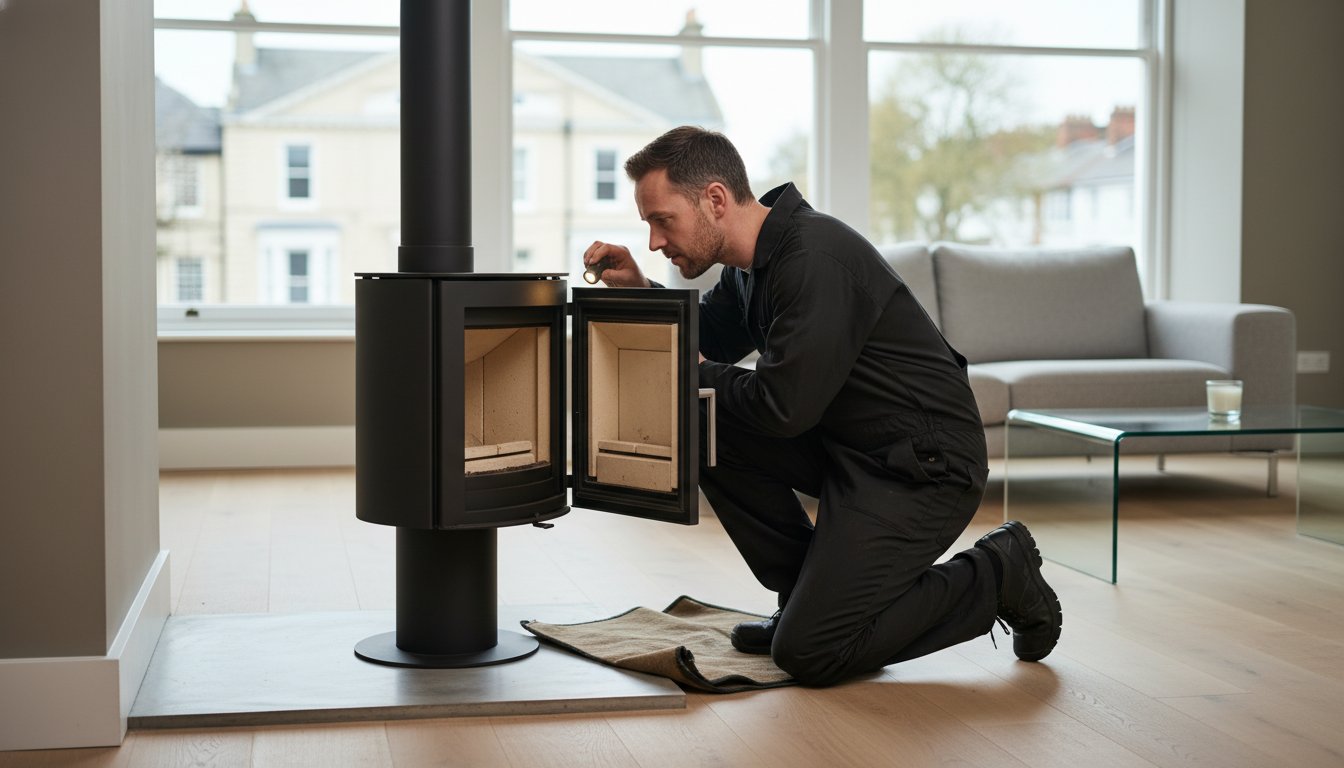
Using the best fuel for wood burner uk is only half the battle; maintaining the hardware is what ensures your home stays safe and warm. Over-firing is one of the most frequent causes of stove damage Adrian sees in the field. When you load too much high-heat fuel at once, temperatures can spike beyond the stove’s design limits. This often leads to cracked firebricks. These bricks serve a critical purpose by insulating the outer steel or cast-iron casing from direct flame contact. If you ignore a cracked brick, the intense heat can eventually warp the stove's body, leading to a total appliance failure.
Air control is equally vital. Your stove’s rope seals must remain pliable and intact to regulate oxygen flow. A compromised seal allows uncontrolled air to enter the firebox, which accelerates the burn rate and wastes your expensive seasoned logs. Adrian provides comprehensive servicing across Leamington Spa and Warwick, checking every seal to ensure your stove operates at peak efficiency. Regular maintenance like this costs a fraction of the price of a full stove replacement, which can easily exceed £1,500 for a quality model.
Replacing Stove Glass and Bricks
Cracked glass is rarely a manufacturing defect; it's usually caused by logs being stacked too close to the door. When a heavy log shifts and strikes the hot glass, or when fuel is pressed against it, the glass can shatter. Adrian offers rapid repair services for homes in Balsall Common and Rugby. He stocks high-quality ceramic glass and replacement firebricks to protect your stove's structural integrity. These components are essential for reflecting heat back into the combustion chamber, ensuring a cleaner, more efficient burn that keeps your flue clearer for longer.
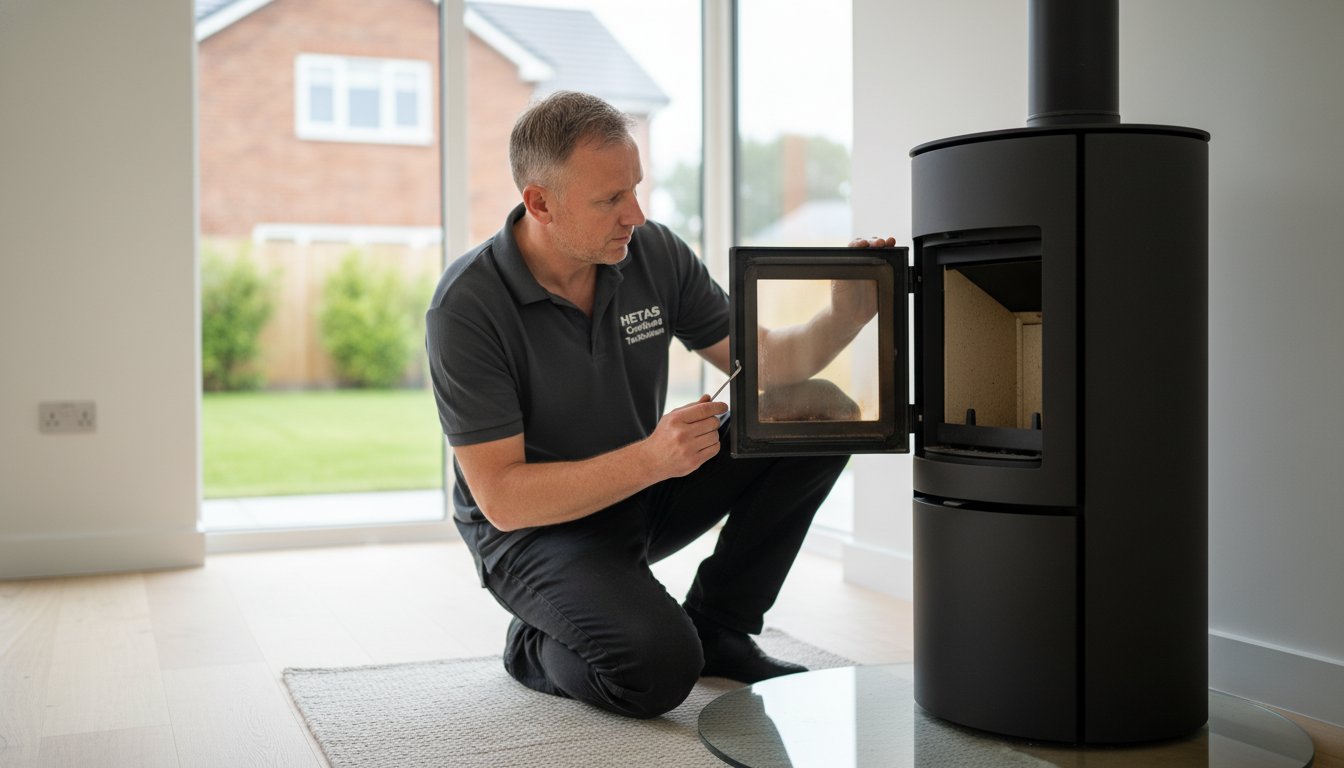
Booking Your Local HETAS Technician
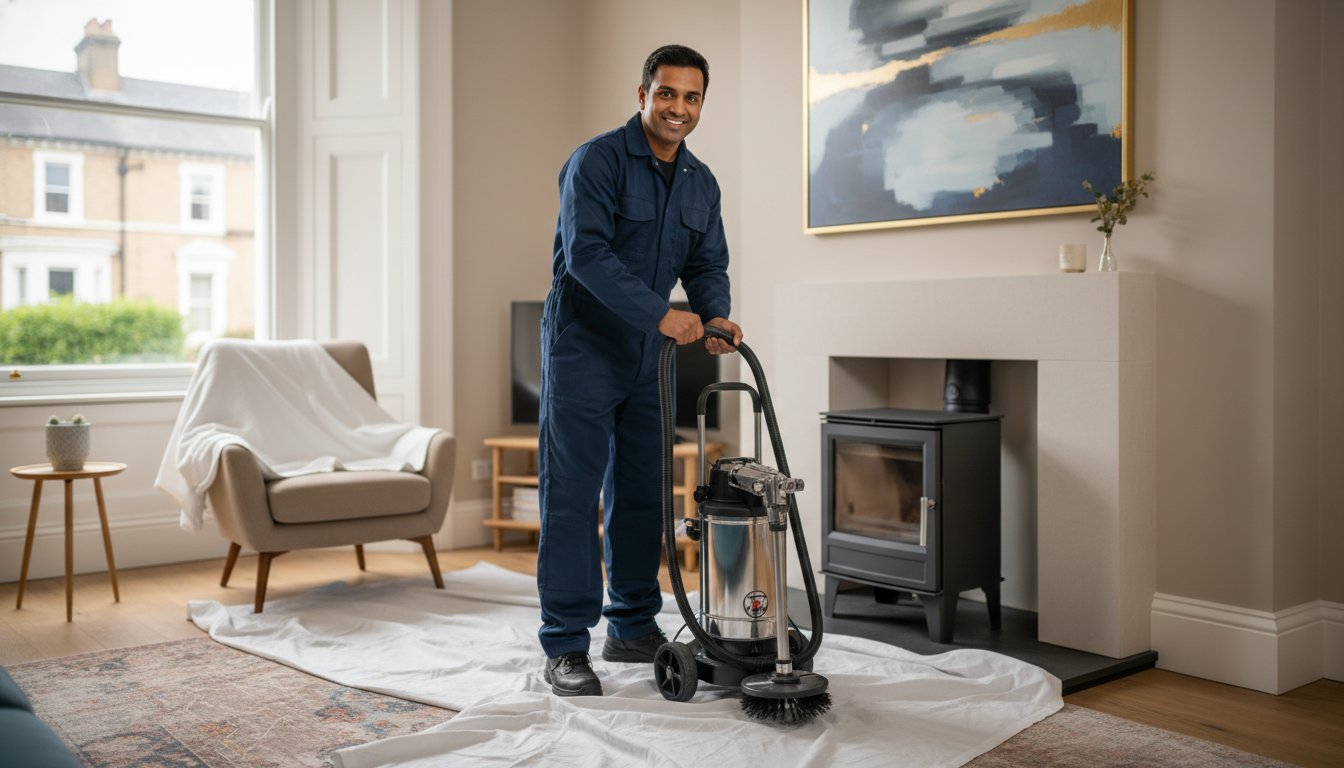
Peace of mind comes from knowing your chimney and stove are in the hands of a professional. Choosing a local expert like MR-SWEEP means you’re working with someone who understands the specific needs of Warwickshire homes and follows strict safety standards. To prepare for a clean, dust-free visit, please ensure the fire hasn't been used for at least 12 hours and clear any ornaments from the mantelpiece. Adrian uses industrial-grade HEPA filtration to ensure not a speck of soot enters your living room during the process.
Book your professional chimney sweep or stove service with MR-SWEEP today to keep your installation running safely all winter long.
Maximize Your Stove Efficiency and Safety in Warwickshire
Choosing the right logs is about more than just a warm fire; it’s about compliance and efficiency. Since the 2021 Air Quality regulations, burning wood with a moisture content below 20% is a legal requirement across the UK. Selecting seasoned hardwood like oak or ash provides the highest heat output and reduces the buildup of dangerous creosote in your flue. While finding the best fuel for wood burner uk keeps your stove running cleanly, even the highest quality wood leaves residue that requires professional attention.
Protecting your home in Leamington Spa and Warwick means staying ahead of maintenance schedules. Regular sweeping prevents chimney fires and ensures your appliance operates at peak performance. As a HETAS-registered technician, I provide a thorough service that includes a full safety certificate with every sweep. This documentation is essential for your home insurance and gives you total peace of mind. Our local service ensures your chimney stays clear and your family stays safe all year round.
Ensure your stove is safe and efficient; book a professional sweep with MR-SWEEP
Get your stove ready for the colder months and enjoy the comfort of a perfectly maintained fire.
Frequently Asked Questions
What is the best wood to burn in a log burner UK?
Kiln-dried hardwoods like Ash, Oak, and Beech are the superior choices for UK stoves. Ash is often called the king of firewood because it has a naturally low moisture content and provides a steady, hot flame. Always look for the Ready to Burn logo to ensure your logs have a moisture level below 20%, which became a legal requirement for small volume sales on 1 May 2021.
Can I burn pallets or scrap wood in my stove?
You shouldn't burn pallets or scrap wood because they often contain hidden chemicals, preservatives, or lead-based paints. Burning treated timber releases toxic fumes into your living room and causes aggressive creosote buildup in your chimney liner. Stick to virgin, untreated wood to protect your health and maintain your stove's 5-year or 10-year warranty.
How can I tell if my wood is dry enough to burn?
Use a digital moisture meter to check that the reading is consistently below 20%. This is the only way to guarantee your fuel won't damage your flue or cause excessive smoke. You can also check for physical signs like deep radial cracks at the ends of the logs or a hollow "clink" sound when you knock two pieces together.
Is it better to burn hardwood or softwood in a wood burner?
Hardwood is generally the best fuel for wood burner uk homes because it's denser and burns for a significantly longer duration. While softwoods like Pine or Larch are excellent for kindling to start a fire, they burn roughly 50% faster than Oak or Beech. Investing in hardwood reduces the number of times you need to refuel the stove throughout the evening.
Why is my wood burner glass turning black so quickly?
Blackened glass is almost always caused by burning wood with a moisture content higher than 20%. This wet fuel creates soot and tar that sticks to the ceramic glass instead of burning away. Ensure your air wash control is fully open and stop using unseasoned logs to keep your view of the fire clear and your chimney safe from blockages.
Do I need to sweep my chimney if I only burn smokeless fuel?
You must sweep your chimney at least once every 12 months even if you only use smokeless fuels. These fuels still produce acidic deposits that can corrode a stainless steel liner over time. Regular professional cleaning prevents dangerous soot falls and ensures your appliance continues to operate at its 80% efficiency rating.
What fuels are banned for wood burners in the UK?
The UK government banned the sale of traditional bituminous house coal and wet wood in units under 2 cubic metres on 1 May 2021. You can no longer legally purchase these high-emission fuels for domestic heating. These regulations were introduced to reduce national PM2.5 emissions, as burning dry wood produces up to 50% less pollution than burning wet logs.
Where can I find Ready to Burn wood in Leamington Spa?
You can find certified Ready to Burn logs at most reputable garden centres and fuel merchants within a 15-mile radius of Leamington Spa. Always check the packaging for the Woodsure certification number to ensure the wood meets UK air quality standards. Buying from local Warwickshire suppliers reduces transport emissions and ensures your fuel is suited to your specific appliance requirements.