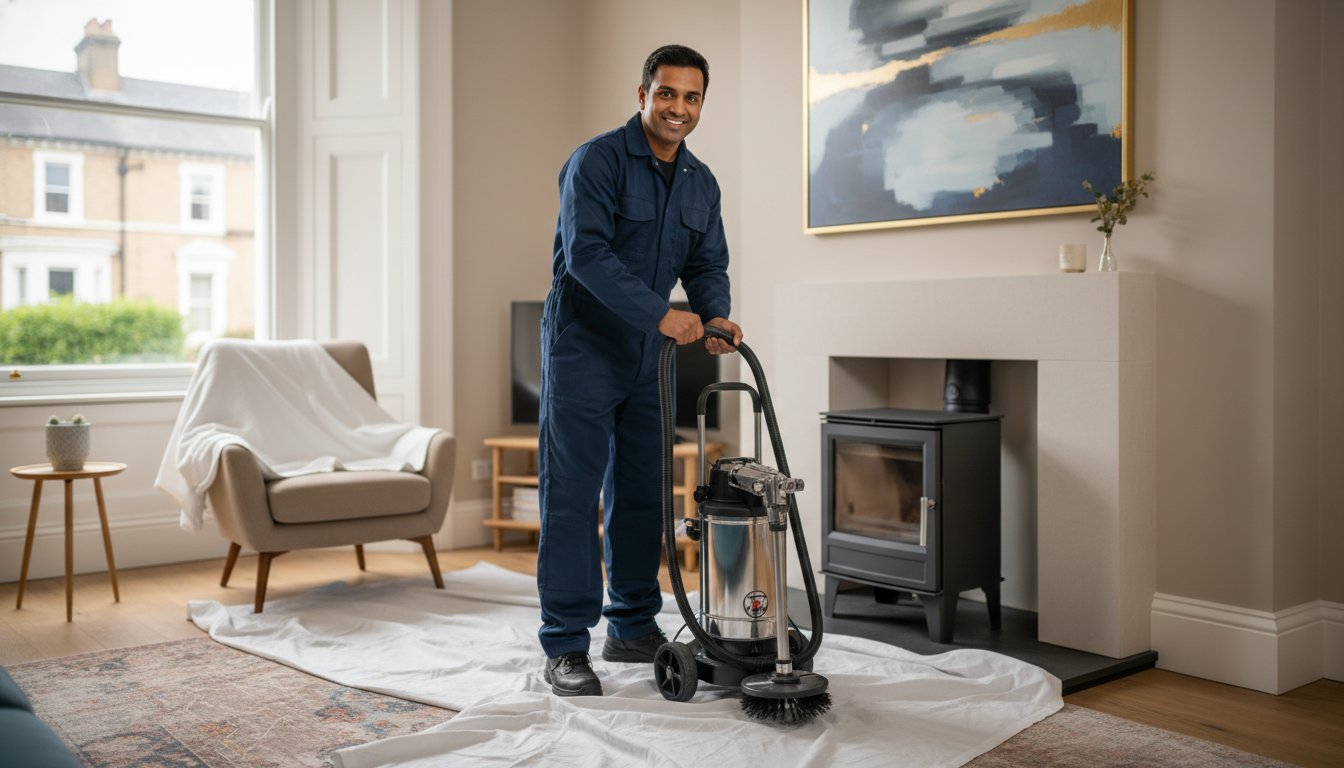
Did you know that the Home Office recorded 3,130 chimney fires across England in a recent annual report? For residents in Leamington Spa and Warwick, a quiet evening by the fire shouldn't be ruined by the worry of a flue fire or the dread of soot staining the furniture. Professional chimney cleaning is the most effective way to eliminate these risks while ensuring your fireplace operates at peak efficiency during the colder months.
It's natural to feel concerned about the mess of a traditional sweep or the confusing safety clauses in your home insurance policy. You want a warm home without the stress of hidden hazards. This 2026 guide provides everything you need to know about maintaining a safe, soot-free household in Warwickshire. We'll explain how to obtain a safety certificate for your insurer, the benefits of modern power sweeping, and the exact steps to keep your chimney running cleanly all year round.
Key Takeaways
- Learn why a HETAS-registered sweep is vital for protecting your home from fire risks and ensuring compliance with UK safety standards.
- Understand the science behind creosote buildup and how to prevent dangerous tar deposits from forming in your Warwickshire flue.
- Discover the local challenges of jackdaw nests and why professional equipment is necessary for safe, effective debris removal.
- See how our mess-free chimney cleaning process keeps your living room spotless while conducting a full 2026-standard safety inspection.
- Gain insights into the importance of safety certificates and how to integrate stove repairs into your annual maintenance schedule.
Why Professional Chimney Cleaning is Essential for Warwickshire Homes
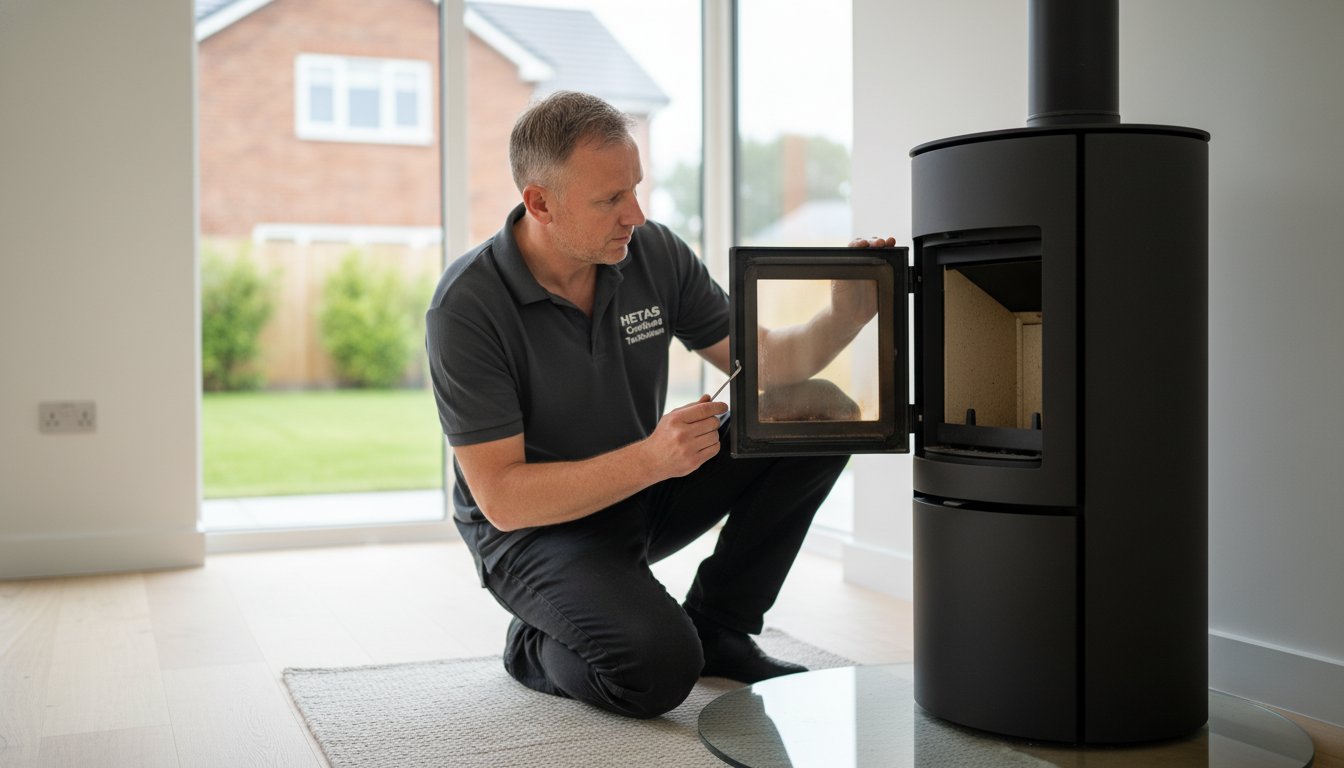
Chimney cleaning isn't just a seasonal chore; it's a vital safety protocol for your home. In Leamington Spa and Warwick, where many properties feature original Victorian or Georgian flues, regular maintenance is the only way to prevent chimney fires. A professional sweep does more than move a brush. They conduct a full debris removal process, clearing out soot, tar, and bird nests that restrict airflow. Understanding the History and design of chimneys highlights how these structures rely on a clear draft to operate safely. When you hire a HETAS-registered sweep like Adrian, you aren't just paying for a clean hearth. You're investing in a comprehensive safety inspection that identifies structural cracks or liner failures before they become emergencies.
The Legal and Insurance Requirements for 2026
Insurance providers in Warwickshire are stricter than ever regarding solid fuel appliances. If you own a thatched cottage or a Grade II listed property, your policy likely mandates annual sweeping as a condition of coverage. Most standard home insurance policies now include "neglect" clauses. This means if a fire occurs and you can't produce a valid sweeping certificate, the provider can legally refuse your claim. Hiring a certified professional ensures you receive the official documentation needed to keep your coverage intact. A certificate from a registered sweep proves you've met your "duty of care" as a homeowner. Don't risk a rejected claim or a massive repair bill over a missed appointment.
Health and Environmental Benefits of a Clean Flue
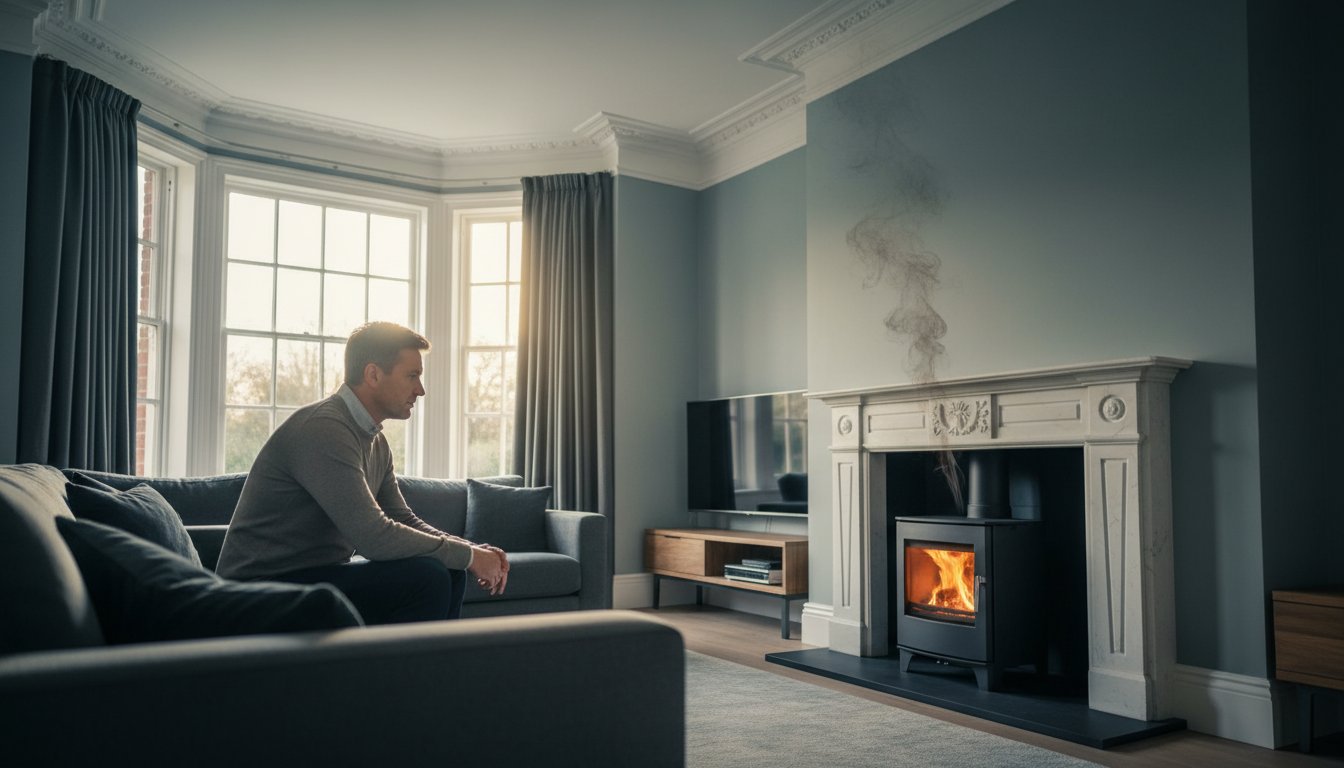
Your family's health depends on proper airflow. A restricted flue causes Carbon Monoxide (CO) to back up into your living room. Because CO is odourless and invisible, regular chimney cleaning acts as your first line of defence against silent poisoning. Beyond safety, there are clear financial and environmental wins. The UK government's 2026 environmental targets require lower particulate emissions in Smoke Control Areas like parts of Warwick. A clean chimney allows your stove to burn fuel at peak efficiency. This reduces the amount of smoke released into the atmosphere and saves you money. You'll typically use 15% less seasoned wood or smokeless fuel to achieve the same heat output compared to a soot-clogged system.
- Fire Prevention: Removes highly flammable creosote deposits.
- CO Safety: Ensures toxic gases exit the building correctly.
- Efficiency: Maximises the heat output of your expensive fuel.
- Compliance: Meets the latest 2026 UK insurance standards.
Professional sweeping removes the guesswork from home heating. It's a quick, clean process that provides peace of mind for the entire burning season. By choosing a local expert who understands Warwickshire’s specific building types, you ensure your home remains both warm and safe.
Understanding Creosote and the Science of Flue Deposits
Chimney cleaning is more than a routine chore; it's a critical intervention in a chemical process that happens every time you light a fire. When wood burns, it releases hydrocarbon gases that should ideally exit the flue. However, if the flue temperature stays too low, these gases condense into creosote. In Warwickshire homes, this often happens during "slumbering," where air intake is restricted to make a fire last longer. This practice creates a smouldering environment that lacks the heat needed to carry smoke out quickly, leading to rapid tar accumulation on the internal walls.
The physics of "chimney draw" plays a major role in how clean your system stays. A flue works through the stack effect, where hot air rises because it's less dense than the cold air outside. If your internal flue diameter is too large, which is common in older Leamington Spa Victorian properties, the smoke expands and cools too fast. This loss of velocity means the smoke lingers, depositing thick layers of debris on the masonry. According to the Chimney Safety Institute of America, maintaining proper flue temperatures and airflow is the first line of defence against dangerous build-ups. When the draw is compromised, even a small amount of soot can quickly transition into a hazardous obstruction.
The Three Stages of Creosote Buildup
Creosote doesn't stay the same; it evolves into increasingly dangerous forms based on how you use your appliance. Understanding these stages helps you identify when your home is at risk.
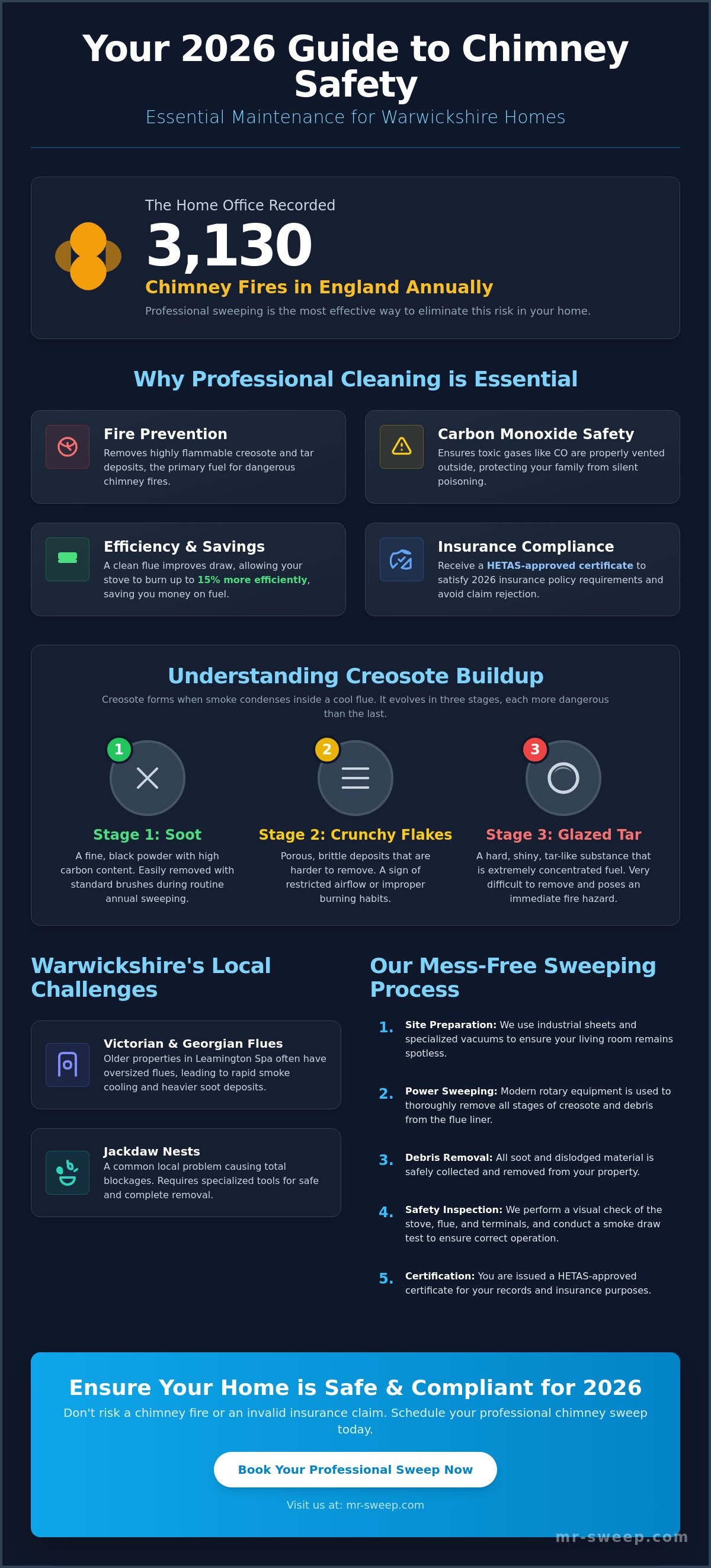
- Stage 1: Loose Soot. This is a fine, black powder. It's high in carbon and can be removed easily with a standard poly or wire brush. It's the most common deposit found during annual maintenance in well-managed stoves.
- Stage 2: Crunchy Flakes. These look like shiny, black cornflakes. They indicate that the fire hasn't been burning hot enough or the wood was slightly damp. Standard sweeping removes most of it, but it suggests a change in burning habits is needed.
- Stage 3: Hard Glaze. This is the most dangerous form. It looks like poured tar or glass. It's highly concentrated fuel that can ignite a chimney fire in seconds. Standard brushes cannot remove this glaze; it often requires specialised chemical treatments or mechanical power sweeping.
Factors That Accelerate Chimney Fouling
Using unseasoned wood is the fastest way to ruin a clean flue. Logs with a moisture content above 20% force the fire to use its energy to evaporate water rather than provide heat. This steam cools the flue and turns smoke into a sticky paste. Many Warwick residents with traditional open fires face issues with oversized flues that lack modern liners. Without a secondary combustion system to burn off excess gases, these older setups can reach Stage 3 creosote levels 50% faster than modern Eco-Design stoves. If you notice a dripping black liquid or a strong acrid smell, it's time to book a professional chimney cleaning to assess the internal condition of your flue.
Dealing with Local Chimney Blockages: Bird Nests and Debris
Homeowners in Warwick and Kenilworth face a persistent challenge every year: the jackdaw. These intelligent birds are notorious for selecting warm, sheltered chimney pots as their primary nesting sites. Unlike a simple garden nest, a jackdaw's construction is an architectural feat of tightly packed twigs, mud, and sheep's wool. These structures can extend several metres down the flue, creating a solid plug that completely halts the exit of toxic gases. Routine chimney cleaning is the only way to identify these hidden hazards before you light your first fire of the season.
Attempting DIY nest removal is dangerous and often ineffective. Without specialist high-reach equipment, you risk pushing the debris further down, compacting it into an impenetrable mass. Furthermore, old masonry in Leamington Spa's Victorian and Edwardian properties is prone to internal erosion. Falling mortar or bricks can lodge themselves in bends of the pipe, leading to a blocked chimney flue. This obstruction forces carbon monoxide back into your living room, a silent threat that requires professional intervention to resolve safely.
Timing is critical for chimney maintenance. Spring is the peak period for nest-related blockages as birds become active between March and June. If you notice birds hovering around your pots or find twigs in your grate, your flue is likely compromised. Addressing the issue during the warmer months ensures your home is safe well before the winter cold arrives.
The Professional Bird Nest Removal Process
Clearing a dense nest requires more than a standard brush. We use heavy-duty steel worms and specialist power-sweeping rods designed to break apart baked-on mud and interlocking twigs. Once the bulk of the material is removed, we perform a mandatory smoke test. This procedure uses a controlled smoke pellet to ensure the draft is 100% restored and no lingering debris remains. You can learn more about bird nest removal chimney Warwickshire to understand the full technical requirements of this service.
Preventing Future Blockages with Cowls and Guards
The most effective way to stop the cycle of nesting is to install a high-quality bird guard. It's vital to select a cowl that matches your specific chimney pot type; an ill-fitting guard can restrict the draw of your fire. We also recommend rain caps to prevent moisture from entering the stack. Water ingress is a primary cause of masonry decay in Warwickshire's older homes. If you hear scratching or find a bird in chimney what to do, don't light a fire. Contact a professional to safely extract the bird and clear the airway, ensuring your next chimney cleaning includes a permanent preventative solution.
The Professional Sweeping Process: What Happens During Your Visit?
Professional chimney cleaning isn't just about removing soot; it's a technical procedure designed to protect your property and family. When MR-SWEEP arrives at your home in Leamington Spa or Warwick, the first priority is cleanliness. We use heavy-duty floor runners and custom-fitted soot cloths to seal the fireplace opening completely. This containment strategy ensures a "no-mess" experience, keeping your carpets and furniture pristine while we work.
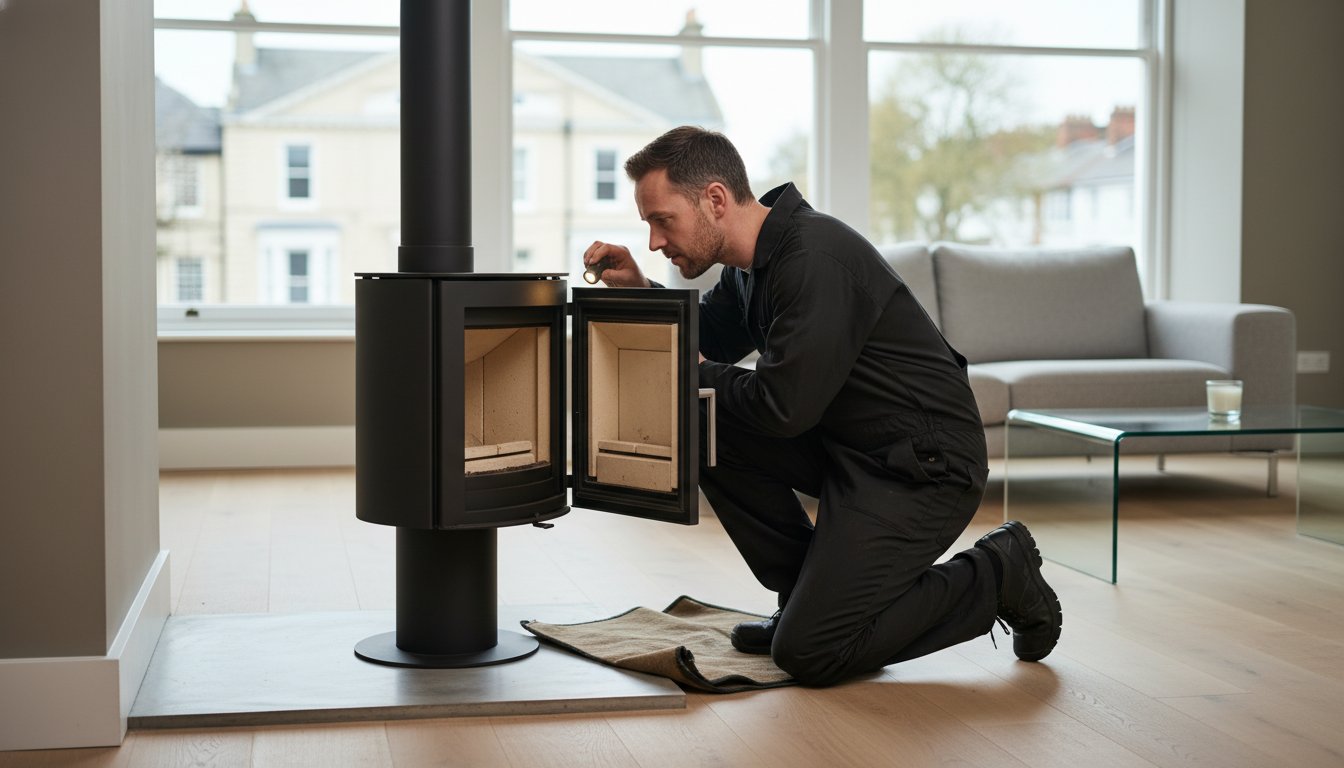
The process begins with a thorough visual inspection. We examine the appliance, the hearth, and the external chimney stack for signs of wear or structural damage. Choosing the right equipment is critical for the long-term health of your home. We select a specific brush head and rod system tailored to your flue type, whether it’s a traditional masonry chimney or a modern flexible liner. The sweeping motion involves constant agitation to ensure every inch of the flue is cleared of combustible deposits.
Modern Equipment: Power Sweeping vs. Manual Brushing
While manual brushing still has its place, we often utilize rotary power sweeping for more stubborn deposits. This method uses a drill-powered head that expands to the exact shape of your flue, providing a more aggressive clean without damaging the structure. For homes with flexible liners, we use specialized nylon heads to prevent scraping the metal. Throughout the chimney cleaning process, industrial HEPA-filtered vacuums run constantly. These machines capture 99.97% of fine particulates, ensuring no soot escapes into your living space.
CCTV Inspections: Seeing the Unseen
Visual checks from the hearth can't see everything. We use high-definition cameras to identify internal cracks, bird nests, or liner failures that a brush might simply pass over. This technology is a game-changer for 2026 safety standards. You can discover why a cctv chimney inspection Leamington Spa is vital for older flues, providing the photographic evidence needed for insurance claims or property sales. Once the sweep is complete, we perform a smoke draught test to confirm the chimney is venting correctly. You'll then receive a formal certificate of sweeping, documenting that your home meets all current safety regulations.
Safety Certificates and Maintaining Your Stove in 2026
A professional chimney cleaning service concludes with more than just a clear flue; it provides you with a formal safety certificate. This document serves as vital evidence for your home insurance provider, proving you've fulfilled your duty of care. In 2026, most UK insurers require these records to validate claims related to chimney fires or carbon monoxide incidents. The certificate records the sweep date, the equipment used, and any specific recommendations for your appliance's health.
Regular maintenance does more than prevent fires. It preserves the structural integrity of your stove. When soot and creosote build up, they restrict airflow, causing the fire to burn inefficiently. This creates a cycle of excessive heat and localized hot spots that can damage the internal components of your stove. Keeping the system clean ensures that heat is distributed evenly, protecting your investment for the long term. Clean flues also reduce the amount of acidic residue that can eat away at stainless steel liners over time.
Common Stove Repairs During a Sweep
An annual appointment is the perfect time to address wear and tear before it becomes a hazard. Firebricks are a primary concern. These internal liners protect the stove's outer metal casing from intense heat. If they're cracked or crumbling, the outer shell can warp or even crack, which is often an irreparable failure. Replacing a firebrick during a scheduled sweep is a simple, cost-effective fix that prevents a much larger bill later.
Door seals are another critical component. The fiberglass rope around the door ensures an airtight seal, allowing you to control the burn rate precisely. Over time, these ropes flatten and lose their effectiveness. Fresh seals prevent over-firing, where the fire burns out of control because it's pulling in too much oxygen. For a deeper look at these technical fixes, see our guide on wood burning stove repair Leamington.
Choosing a Local Specialist in Warwickshire
Safety shouldn't be left to chance or uncertified traders. Adrian's HETAS registration provides peace of mind that your chimney cleaning and stove maintenance meet strict UK building regulations. This accreditation means every inspection is conducted with technical precision, from checking flue draughts to ensuring proper ventilation in the room. It's about more than just removing soot; it's about the technical safety of your entire heating system.
By choosing a local expert, you support a business that understands the specific housing stock in Coventry, Rugby, and Southam. Don't wait for the first frost of 2026 to book your appointment. The busiest months are October through December, often leading to long wait times. Booking your sweep in the spring or summer ensures your home is ready the moment the temperature drops. Contact us today to secure your slot and ensure a safe, warm, and efficient winter for your family.
Secure Your Home for the 2026 Burning Season
Maintaining a safe home in Leamington Spa and Warwick requires more than just a quick brush. According to HETAS guidelines, regular chimney cleaning remains the most effective way to prevent the 1,000+ chimney fires recorded annually across the UK. By removing flammable creosote and clearing seasonal blockages like bird nests, you're protecting your family from carbon monoxide risks and avoidable structural damage. Our 2026 service standards now include full CCTV inspections to identify internal flue cracks that the naked eye often misses. This level of precision ensures your stove operates at peak efficiency while reducing your environmental impact.
As a local expert serving Warwickshire for years, I provide official safety certificates with every visit to ensure your home insurance remains valid and your records are up to date. You'll work with a HETAS-registered technician who respects your property and guarantees a mess-free process. It's about professional peace of mind and reliable heating you can trust all winter long. Don't leave your fireplace safety to chance when expert help is just a click away.
Book your professional HETAS-registered chimney sweep with MR-SWEEP today
Enjoy the warmth of your fireplace knowing your home is in expert hands.
Frequently Asked Questions
How often should I have my chimney cleaned in Warwickshire?
You should have your chimney cleaned at least once a year, although the specific frequency depends on the fuel you burn. For wood-burning stoves, HETAS recommends sweeping every quarter during the heating season. If you burn smokeless fuel, an annual visit is sufficient to prevent soot buildup. Regular maintenance reduces the risk of chimney fires, which accounted for over 2,500 incidents in England between 2022 and 2023.
Will chimney cleaning create a mess in my home?
Professional chimney cleaning doesn't create a mess in your home because we use specialised dust extraction and floor protection. We seal the fireplace opening with plastic sheeting and use HEPA-filtered industrial vacuums to capture 99.9% of soot particles. You won't need to cover your furniture or clean up after the appointment. Our goal is to leave your living room exactly as we found it, only safer.
How much does a professional chimney sweep cost in Leamington Spa?
A standard professional sweep in the Warwickshire area typically costs between £60 and £90 per flue. Prices vary based on the type of appliance, such as a wood burner versus an open fire, or if bird nests need removing. We provide a fixed quote before starting work so there aren't any hidden surprises. This investment covers the sweep, a smoke draw test, and your official safety certificate.
Do I need to sweep my chimney if I only use it occasionally?
Yes, you must sweep your chimney annually even if you only light a few fires during the winter. Dormant chimneys often become home to birds, spiders, or squirrels, which create blockages that lead to carbon monoxide poisoning. Moisture also reacts with old soot to form corrosive acids that damage the flue liner. An annual check ensures the passage is clear and safe for that occasional holiday evening.
Can I clean my own chimney with a DIY kit from a hardware store?
While you can buy DIY kits, they don't replace a professional service and often lead to damaged flue liners. Homeowners frequently get brushes stuck or fail to identify structural cracks that a trained eye would spot. Most home insurance policies also require a certificate from a registered sweep to remain valid. Saving £70 on a DIY kit isn't worth risking a house fire or a voided insurance claim.
What is the difference between a sweep and a CCTV inspection?
A standard sweep removes soot and debris, while a CCTV inspection uses a high-definition camera to examine the internal structure of the flue. We use cameras to check for cracks, loose masonry, or evidence of a previous chimney fire that isn't visible from the hearth. If you've just moved into a new home in Leamington Spa, a CCTV survey provides 100% certainty about the chimney's integrity.
How do I prepare my fireplace before the sweep arrives?
You should stop using your fireplace at least 24 hours before your appointment to ensure the brickwork is completely cool. Please clear any ash from the grate and remove ornaments or delicate items from the mantelpiece and hearth. We need a clear workspace of about two square metres in front of the fire. This allows us to set up our equipment quickly and begin the chimney cleaning process without delays.
Is a chimney sweep certificate legally required for landlords?
Landlords have a legal Duty of Care under the Landlord and Tenant Act 1985 to ensure the property's chimney is safe and functional. While the law doesn't explicitly name a sweep certificate, you must prove regular maintenance to comply with the Smoke and Carbon Monoxide Alarm Regulations 2022. Most insurers won't cover fire damage in a rental property without a valid certificate issued by a professional sweep within the last 12 months.