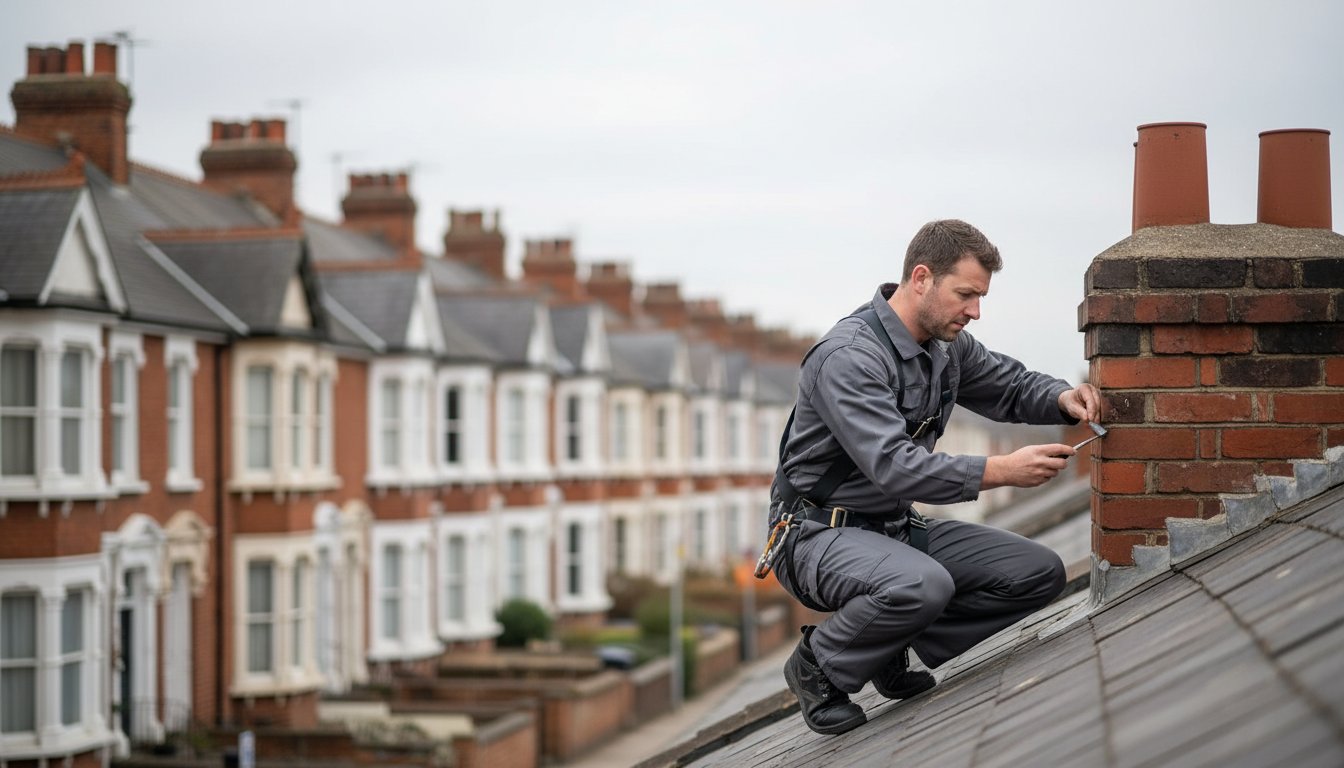
Last Tuesday, a homeowner in Leamington Spa noticed a persistent scratching sound and a small pile of twigs on their hearth. It wasn't just a minor nuisance; a pair of jackdaws had completely obstructed the flue, creating a genuine risk of carbon monoxide poisoning. You likely understand that a blocked chimney is a serious safety hazard, but the constant noise and falling debris can make your living room feel like a building site. We know how frustrating it is to deal with soot and twigs while worrying about the legalities of removing protected nests.
This 2026 guide provides everything you need to know about bird nest removal chimney warwickshire to keep your home safe and compliant. You'll learn how to identify the early warning signs of nesting, the specific UK regulations that dictate when we can work, and the professional techniques we use to clear your flue without leaving a speck of dust behind. We also detail the permanent solutions, such as high-quality bird guards and cowls, that ensure your chimney remains clear for the long term.
Key Takeaways
- Identify early warning signs of Jackdaw activity to prevent dangerous blockages before they compromise your chimney's ventilation.
- Protect your family from the hidden risks of carbon monoxide poisoning and highly flammable debris trapped within your flue.
- Understand the legal restrictions of the Wildlife and Countryside Act 1981 to ensure nest removal is performed safely and lawfully.
- Learn how professional bird nest removal chimney warwickshire uses advanced power sweeping to clear obstructions while ensuring your home remains soot-free.
- Discover how to select the correct bird guard or cowl to provide a permanent, secure solution against future nesting attempts.
Signs of a Bird Nest in Your Warwickshire Chimney
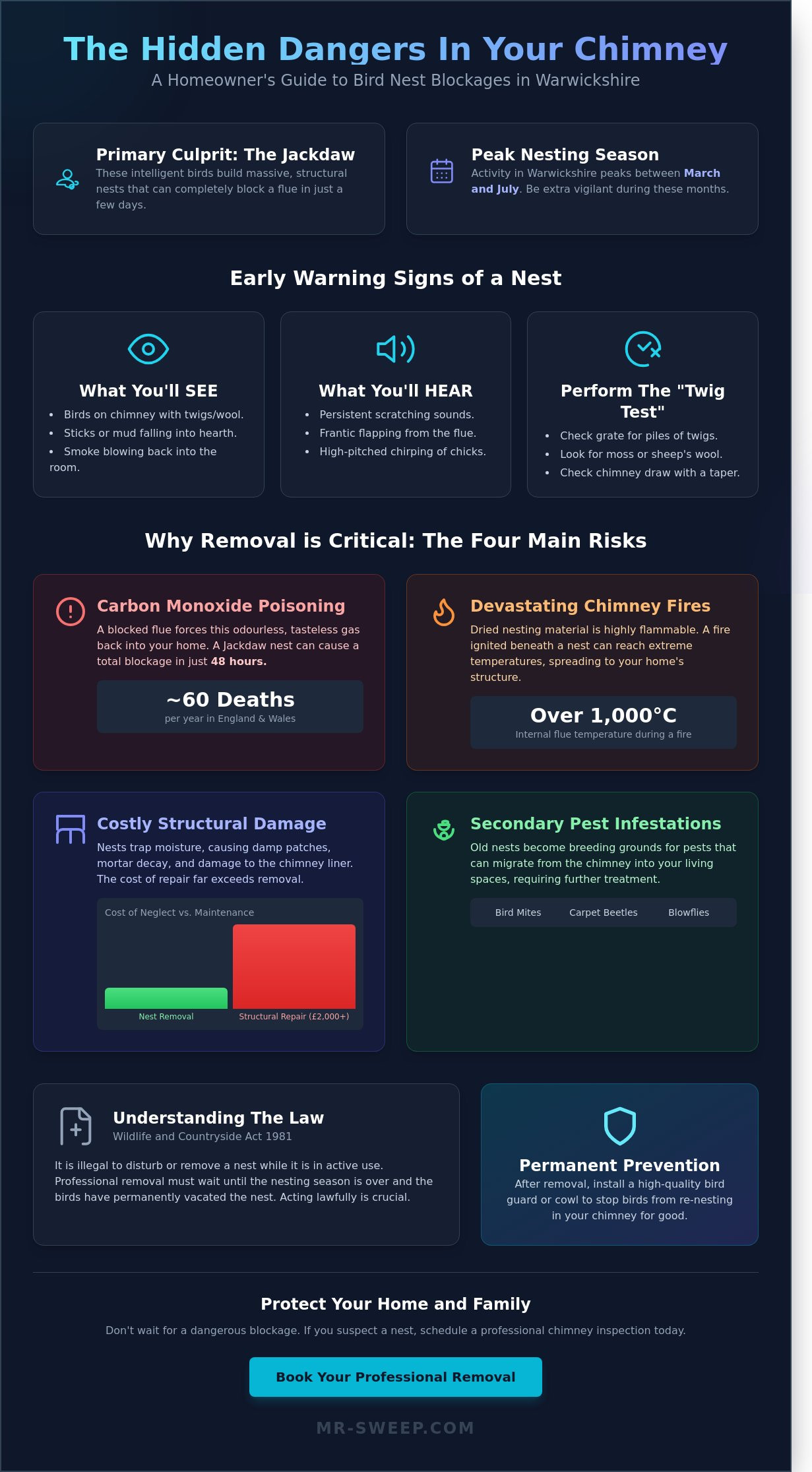
Identifying the need for bird nest removal chimney warwickshire starts with observing your property’s exterior. In our region, Jackdaws are the primary culprits. These intelligent birds prefer the high, sheltered environment of a chimney stack to traditional trees. They don't just drop a few sticks; they build massive, structural nests that can fill several feet of your flue in just a few days.
You'll likely notice visual cues before anything else. Watch for birds landing frequently on your chimney pot with twigs or wool in their beaks. If you see debris, such as dried mud or sticks, falling into your hearth, a nest is already under construction. Auditory signs are equally telling. Scratching sounds, frantic flapping, or the high-pitched chirping of chicks echoing down the chimney are clear indicators of an active nest.
The most dangerous sign is a change in fire performance. If you light a fire and smoke blows back into the room instead of rising, your flue is obstructed. This blockage prevents toxic gases from escaping and significantly increases the dangers of chimney fires. Never attempt to "burn out" a nest. This is a severe fire hazard that can cause structural damage to your home.
The "Twig Test" for Warwickshire Homeowners
If you suspect a blockage, perform a simple visual inspection. Put on a pair of gloves and check your grate or ash pan for fallen debris. A few stray twigs might just be wind-blown, but a pile of sticks mixed with sheep's wool or moss suggests a deliberate structure. The ultimate test is the draw. Hold a lit taper or a piece of rolled-up newspaper near the throat of the chimney. If the flame doesn't pull strongly upwards, a full nest is likely choking the airflow. Professional bird nest removal chimney warwickshire is required to clear this safely.
Local Bird Patterns in Leamington and Warwick
Nesting season in the West Midlands typically peaks between March and July. During this window, local bird activity increases dramatically. Older properties in Kenilworth and Warwick are prime targets because they often feature traditional brick stacks and wide, unprotected pots. These architectural features provide the perfect anchor for a Jackdaw's nest. Chimney height also plays a role; taller stacks offer the security these birds crave. If your property has multiple pots, birds will often return to the same flue year after year unless a proper bird guard is installed after the nest is removed.
The Risks: Why Nest Removal is Critical for Home Safety
A bird nest in your chimney isn't just a minor nuisance; it is a significant safety hazard that puts your property and family at risk. While the Wildlife and Countryside Act 1981 protects nesting birds during the breeding season, once the nest is abandoned, professional bird nest removal chimney warwickshire becomes an urgent priority. Leaving these structures in place leads to dangerous blockages, fire risks, and structural decay that can cost thousands of pounds to repair.
The Silent Danger of Carbon Monoxide
A blocked chimney flue prevents the escape of combustion gases, causing lethal carbon monoxide to leak back into your living space. Unlike standard soot buildup that restricts airflow gradually, a jackdaw nest can fill several feet of a flue with twigs and mud in just 48 hours. This creates a total blockage. Carbon monoxide is odourless and tasteless, making it impossible to detect without technology. It kills around 60 people every year in England and Wales according to data from the Office for National Statistics. Every home in Warwickshire must have a working CO alarm on each floor with a fuel-burning appliance to provide an early warning if a nest causes a backup of gases.
Beyond the gas risk, the high flammability of dried nesting materials is a major concern. Twigs, straw, and feathers ignite instantly. If you light a fire under an old nest, it can reach temperatures over 1,000°C within the chimney stack, potentially spreading to the roof timbers. Nests also act as breeding grounds for pests. Bird mites, carpet beetles, and blowflies often migrate from the nest into your bedrooms and living areas, leading to secondary infestations that require expensive pest control treatments.
Secondary Damage to Your Property
Nests prevent the chimney from "breathing" by trapping humid air inside the masonry. This moisture leads to internal damp patches on your chimney breast and causes mortar decay over time. Ignoring a nest is a false economy. While a professional removal service is a straightforward maintenance cost, repairing structural masonry damage or replacing a ruined chimney liner can easily cost over £2,000.
You can often identify a problem by "chimney smells," which are caused by decomposing organic matter or bird droppings reacting with moisture. If you notice a musty odour or see twigs falling into the hearth, it's time to book a professional inspection to ensure your flue is clear and safe. Our team ensures the removal is clean and thorough, protecting your home from the long-term effects of damp and decay.
Understanding the Law: When Can You Remove a Nest?
The Wildlife and Countryside Act 1981 protects all wild birds in the United Kingdom. This legislation makes it a criminal offence to intentionally take, damage, or destroy a nest while it's in use or being built. For homeowners, this means that even if a nest blocks your flue, we can't legally remove it if there are eggs or live chicks inside. Breaking this law can lead to unlimited fines or even custodial sentences. MR-SWEEP operates with a strict code of ethics. We ensure every bird nest removal chimney warwickshire project follows these legal guidelines to the letter. We won't risk the local wildlife or your legal standing by rushing a job during the restricted season.
Identifying an Active Nest
Detecting an active nest requires more than a quick look up the stack. You'll often see adult birds constantly returning with nesting material or food between March and July. If you hear persistent scratching or high-pitched chirping, the nest is likely occupied. If a bird becomes trapped in your chimney in Leamington, call a professional immediately rather than trying to smoke it out. We use high-definition CCTV cameras to inspect the flue before any work begins. This verification ensures the nest is truly abandoned and safe to clear.
- Visual checks: Look for birds entering the chimney pot with twigs or insects.
- Auditory cues: Listen for the sound of wings or chicks calling for food.
- Debris: Twigs and moss falling into the fireplace often indicate recent building activity.
Planning Your Removal in Warwickshire
The window for safe bird nest removal chimney warwickshire typically opens in August and runs through to February. Early autumn is the most strategic time to book your clearance. September and October see a surge in demand as Warwickshire residents prepare for the winter heating season. Booking your appointment during these months ensures your fire is safe to use before the first frost hits. Don't wait until December to check your flue. A blocked chimney is a carbon monoxide risk. We recommend securing your slot as soon as the fledglings have left to avoid the peak season rush.
Planning ahead allows us to clear the debris and install a bird guard or cowl to prevent a repeat performance next spring. Our team coordinates with your schedule to ensure the work is done cleanly and efficiently. By choosing the right time of year, you protect the local ecosystem and ensure your home stays warm and safe throughout the colder months.
The Professional Removal Process: A Step-by-Step Guide
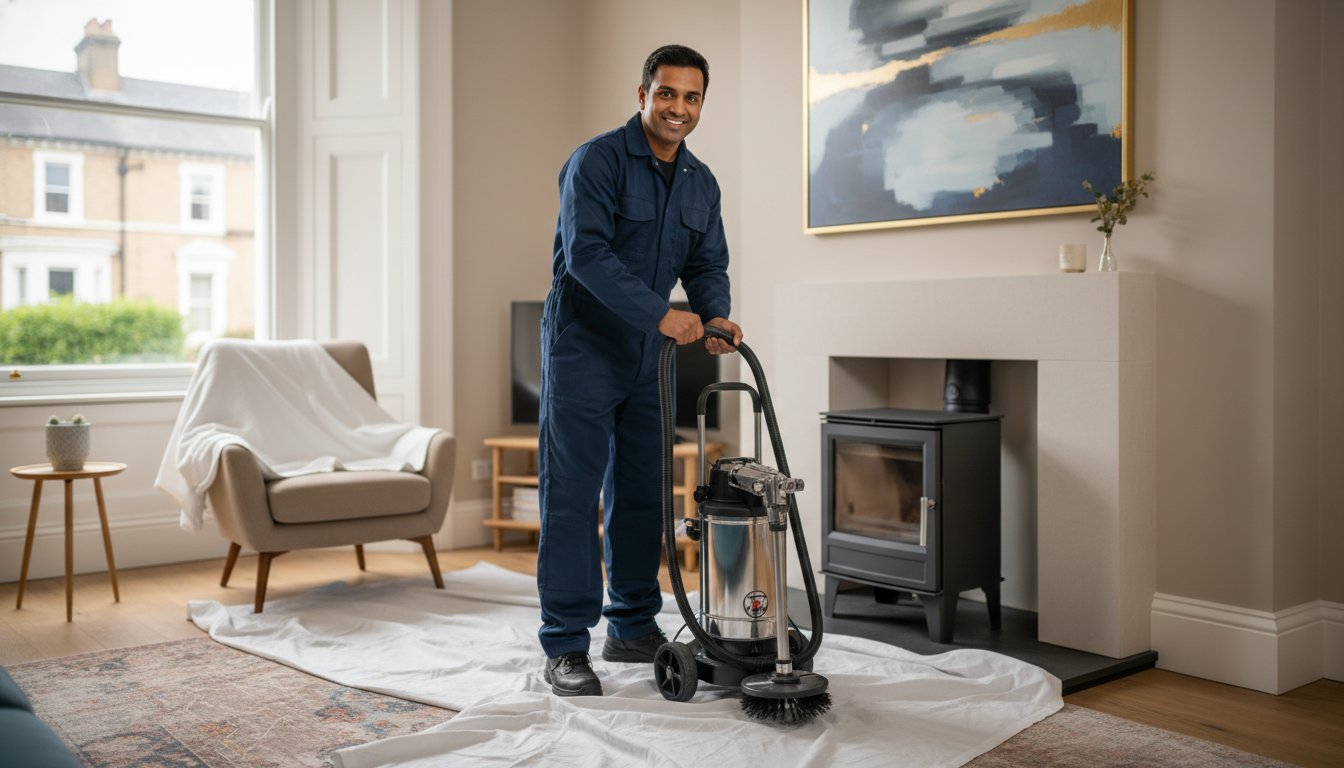
Removing a bird nest requires a methodical approach to ensure the safety of your property and the integrity of the flue. It isn't a simple case of pushing a brush through. Effective bird nest removal chimney warwickshire starts with rigorous preparation. I begin by using heavy-duty sheeting to seal the fireplace opening and protect your flooring. This containment strategy prevents soot, dust, and fine debris from entering your living space while I work.
I employ a "bottom-up" approach using specialised power sweeping equipment. Unlike traditional rods, these tools allow me to break the nest structure from the base. This technique is essential because nests are often wedged tightly against the chimney walls. By breaking the structure incrementally, I can safely extract the material without putting undue pressure on the brickwork or the chimney liner.
The amount of material pulled from a single chimney is often staggering. You can expect to see multiple bucketfuls of debris, including:
- Densely packed twigs and sticks
- Dried mud used as a binding agent
- Sheep wool and moss gathered from local Warwickshire fields
- General garden waste and feathers
Mess-Free Removal Techniques
Cleanliness is a priority for every job I undertake. To manage the dust generated during the process, I use industrial H-Class HEPA filtration vacuums. These machines are designed to trap 99.995% of fine particles, ensuring your home remains spotless. I provide a personal guarantee of cleanliness for every client. You won't have to spend hours cleaning up soot or dust after I leave; the only evidence of my visit will be a clear, safe chimney.
Post-Clearance Safety Checks
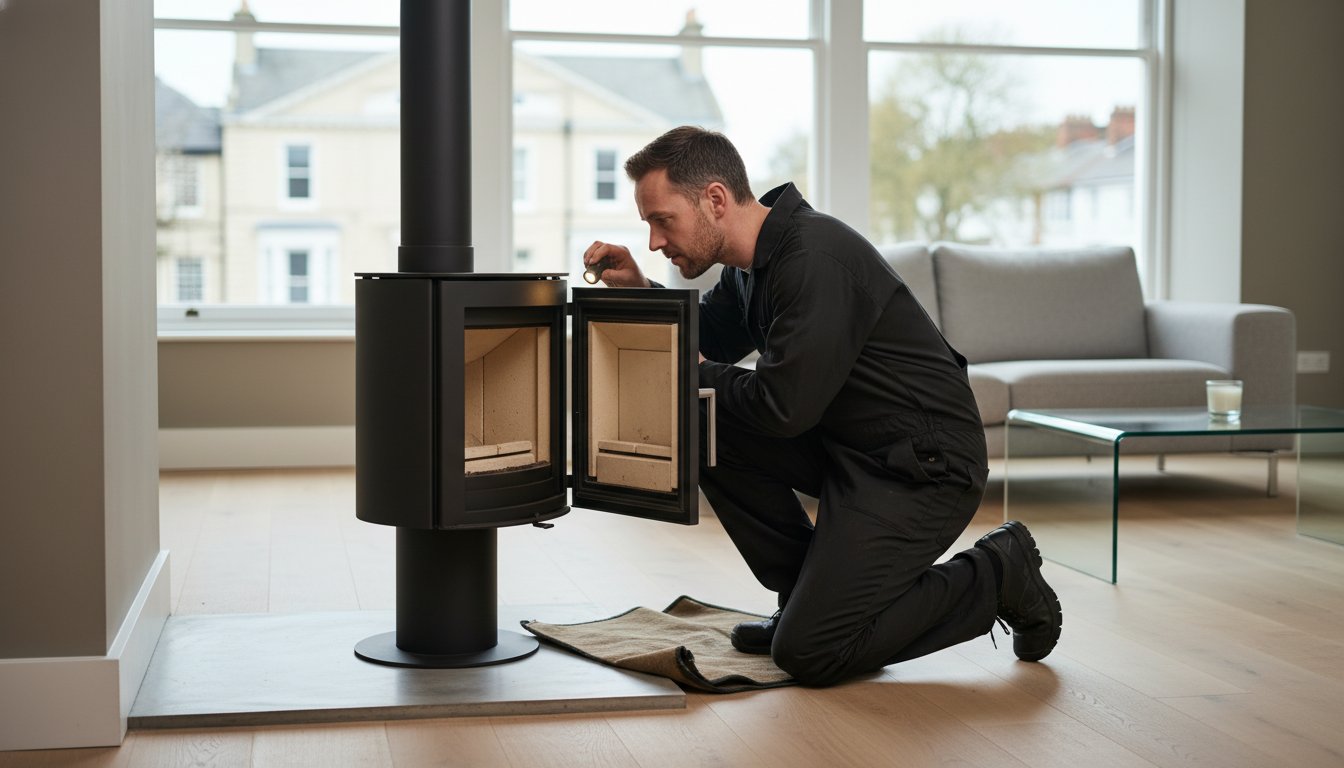
Once the physical debris is removed, the job isn't finished. I perform a smoke draught test to confirm the flue is drawing air correctly and venting combustion gases safely. Verification is the most critical step. I use a CCTV Chimney Inspection Leamington Spa to examine the entire length of the flue. This camera survey identifies any hidden damage or remaining obstructions that a brush might have missed.
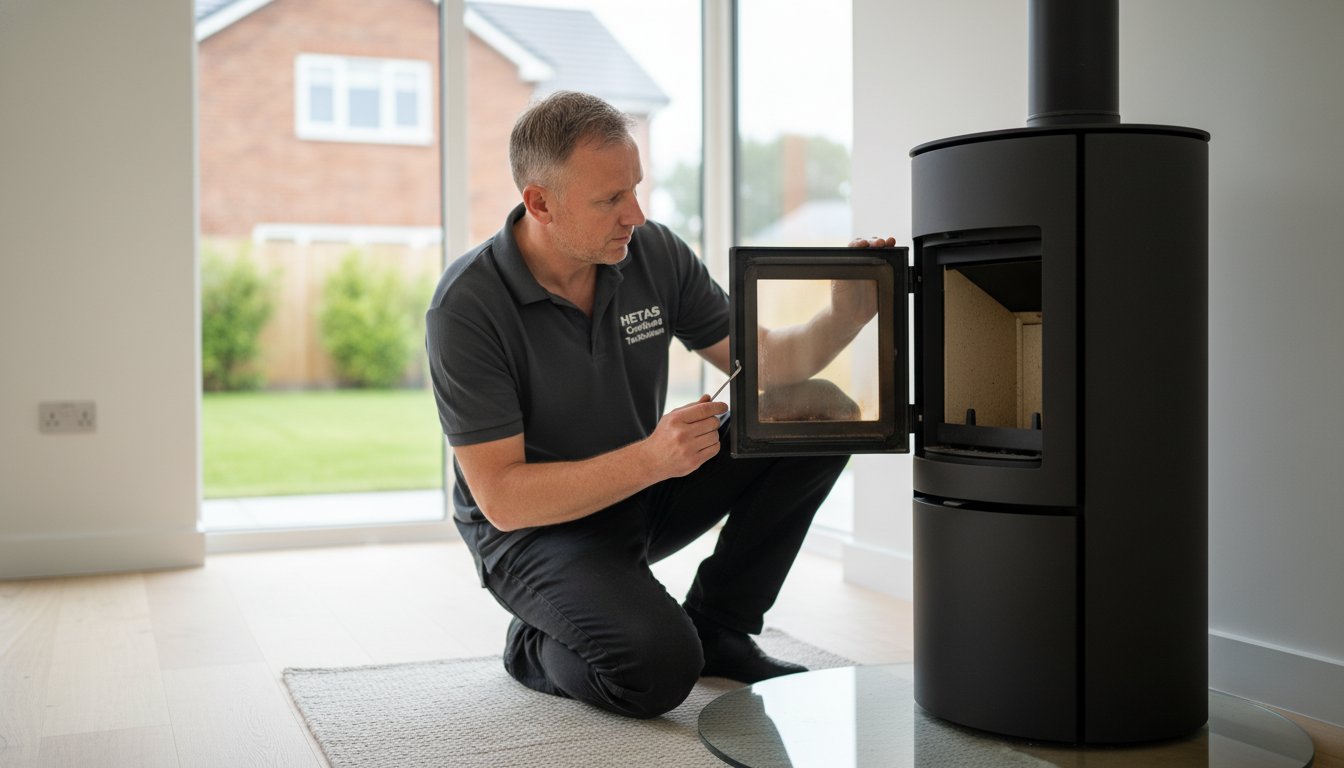
After confirming the chimney is 100% clear and structurally sound, I issue a HETAS-compliant safety certificate. This document is vital for your home insurance and provides peace of mind that your fire is safe to use. Don't risk a chimney fire by leaving old nesting material in your flue. Contact me today for a professional bird nest removal chimney warwickshire service.
Preventing Future Blockages in Leamington & Warwick
Removing a nest is only half the battle. Without a physical barrier, jackdaws and other birds will return to your Warwickshire home next spring. These birds are creatures of habit and often attempt to rebuild in the exact same spot. High-quality bird guards and cowls represent the only permanent solution to nesting problems. A professional installation ensures that your chimney remains clear while allowing smoke and gases to escape safely.
Choosing the right cowl is essential for the longevity of your chimney system. Warwickshire features a diverse range of architecture, from Victorian terraces in Leamington to historic stone cottages in Warwick. Each chimney pot requires a specific fitting. A standard round pot needs a different attachment than a square or decorative pot. We assess your stack to ensure the guard sits flush, leaving no gaps for determined birds to exploit. DIY mesh solutions often fail because they lack the structural integrity to withstand high winds. When flimsy wire rusts or collapses, it creates a dangerous internal blockage that's far more difficult to clear than a standard nest.
Professional Cowl Installation
We install premium stainless steel bird guards designed to withstand the unpredictable Warwickshire weather. These units won't corrode or degrade over time. It's vital that any cowl doesn't restrict the draw of your wood burner or open fire. If the airflow is choked, you risk carbon monoxide entering your living space. Our team identifies whether you need a simple mesh protector or an anti-downdraught cowl. The latter is particularly effective for properties in exposed areas, as it prevents wind from pushing smoke back down the flue while keeping birds out.
Ongoing Maintenance Schedule
Regular Chimney Sweeping in Leamington Spa is your best defense against future issues. Annual sweeping removes the soot and creosote build-up that birds use as "scaffolding" to start their nests. Without these rough surfaces to grip, it's much harder for a bird to begin construction. For owners of thatch-roofed properties in Warwickshire villages, this maintenance is often a strict insurance requirement. We provide the necessary certification to prove your flue is clear and safe. Our bird nest removal chimney warwickshire service includes a full inspection to ensure your chimney is ready for the burning season. Don't leave your home's safety to chance; a clean chimney is a functional chimney.
Ready to secure your chimney?
Contact MR-SWEEP today for expert nest removal and professional cowl installation across Warwickshire.
Secure Your Warwickshire Home Before the Next Burn
Leaving a blockage in your flue increases the risk of carbon monoxide poisoning and chimney fires. Under the Wildlife and Countryside Act 1981, you can't remove active nests during the breeding season, so timing your maintenance is vital. Professional bird nest removal chimney warwickshire ensures your property stays compliant with UK safety regulations while restoring proper ventilation to your heating system.
At MR-SWEEP, we combine technical precision with a spotless finish. Every service is performed by a HETAS-registered technician and includes full CCTV verification to confirm the flue is 100% clear of debris. We provide a dust-free cleaning guarantee, so you won't have to worry about soot or nesting materials entering your living space. It's the most reliable way to prepare for the 2026 heating season in Leamington, Warwick, and the surrounding areas.
Book your professional bird nest removal with MR-SWEEP
Don't wait for a blockage to become a safety emergency. Get your chimney inspected now and enjoy the peace of mind that comes with a safe, efficient fireplace.
Frequently Asked Questions
How much does bird nest removal from a chimney cost in Warwickshire?
Professional bird nest removal chimney warwickshire typically costs between £100 and £250 depending on the size of the blockage. This price usually includes a full sweep of the flue and a CCTV inspection to ensure the passage is clear. If the nest is exceptionally large and takes more than two hours to extract, costs may increase to reflect the extra labour and disposal of debris.
Can I remove a bird nest from my chimney myself?
You shouldn't attempt to remove a chimney nest yourself because it requires specialized power sweeping tools and protective equipment. Nests are often packed tight with mud and twigs that can't be reached with domestic rods. DIY attempts frequently result in the debris becoming more compacted or damaging the chimney liner. Professionals use HEPA-filtered vacuums to manage the significant amount of dust and bacteria released during the process.
How long does it take to clear a full jackdaw nest?
Clearing a full jackdaw nest usually takes between 1 and 3 hours of continuous work. Jackdaws are incredibly industrious and can fill a 10 meter flue from the bottom to the top in less than a week. We use heavy duty equipment to break the nest apart from the bottom up. The process is only finished when we can see daylight at the top of the stack and confirm the airway is clear.
Is it illegal to remove a bird nest in the UK?
It's illegal to remove or disturb any active wild bird nest under the Wildlife and Countryside Act 1981. This protection stays in place from the moment building starts until the last chick has fledged and left the nest. The nesting season in the UK typically runs from March 1st to July 31st. We'll only perform bird nest removal chimney warwickshire services once we've confirmed the nest is no longer in use.
What happens if a bird is stuck in my chimney but there is no nest?
If a bird is trapped but hasn't built a nest, it needs immediate rescue to prevent it from suffering or dying in the flue. This often happens when birds fall down the pot and can't fly back up the narrow space. We can usually release the bird safely by accessing the soot door or fireplace. Once the bird is freed, we'll install a bird guard to stop this from happening again.
Will nest removal make a mess in my living room?
Professional nest removal won't make a mess in your home because we use advanced containment techniques. We seal the fireplace opening with heavy duty sheeting and use industrial vacuums to create negative pressure. This ensures that all soot, dust, and nesting material stay within the chimney and our collection bags. We pride ourselves on leaving your hearth just as clean as we found it.
How do I know for sure if the nest is completely gone?
We use a high definition CCTV camera to provide visual confirmation that the entire nest has been extracted. This allows us to check every inch of the flue for remaining twigs or structural issues that could cause a fire. After the camera check, we perform a smoke draught test to ensure the chimney is venting safely. You'll receive a professional certificate once these safety checks are successfully completed.
Does home insurance cover chimney nest removal or damage?
Most UK home insurance providers don't cover the cost of nest removal as they view it as a routine maintenance task. However, you might be able to claim for repairs if the nest causes a chimney fire or structural damage to the masonry. Check your specific policy for "accidental damage" or "pest cover" sections. It's always more cost effective to pay for professional removal than to deal with the aftermath of a chimney fire.