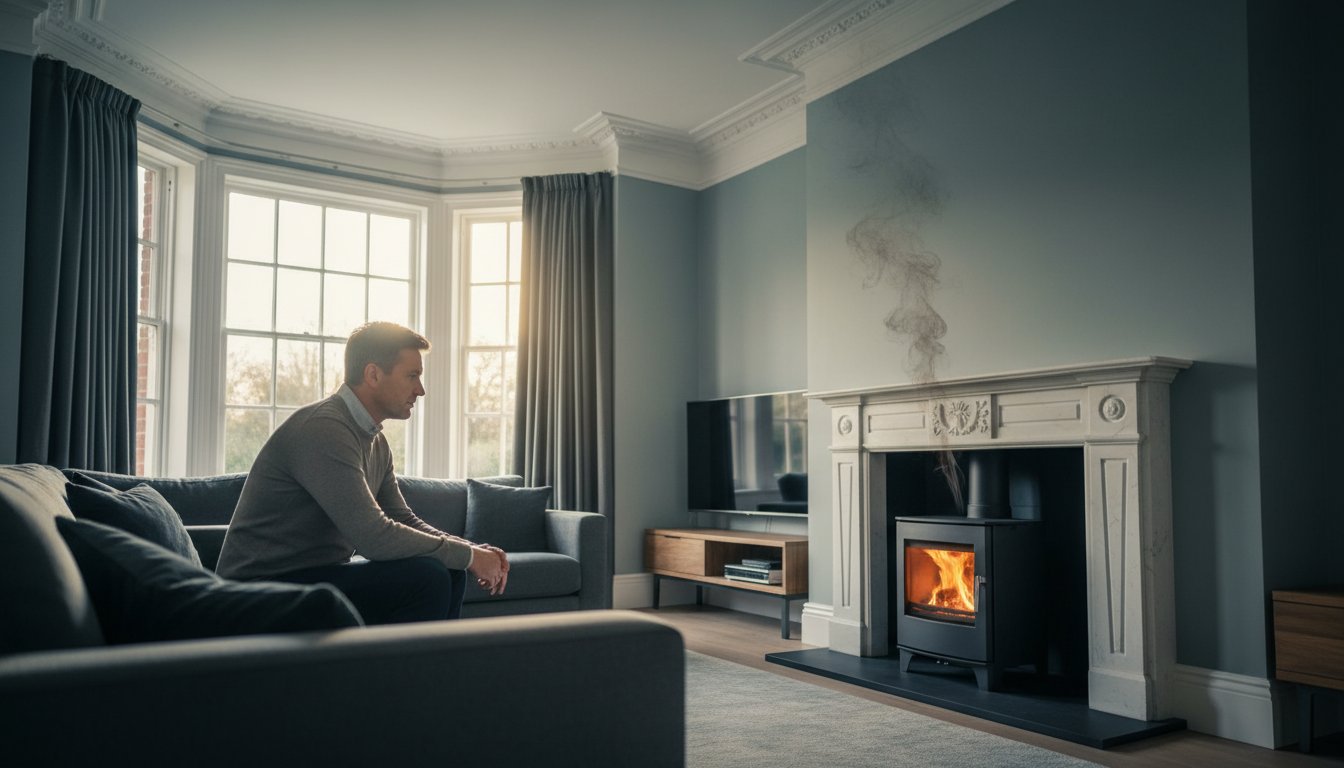
Could your cozy fireplace be silently filling your home with toxic fumes while you sleep? Many residents in Leamington Spa and Warwick believe that a visible flame means their heating system is safe, but the reality is often hidden behind the brickwork. It's easy to assume that a blocked chimney flue only happens to neglected properties. However, even a single nesting season or a month of burning unseasoned wood can create a life-threatening hazard in your living room.
We understand the anxiety that comes with smelling smoke indoors or worrying about the invisible threat of carbon monoxide. You deserve to enjoy your fire without fearing for your family's safety or the high costs of soot damage restoration, which can often exceed £2,500 for professional cleaning and redecoration. This article debunks five dangerous myths about DIY fixes and provides you with the facts needed to keep your Warwickshire home safe in 2026. We'll explore the clear signs of a blockage and show you how a professional, mess-free inspection gives you total peace of mind so you can relax by the fire again.
Key Takeaways
- Learn to spot the early warning signs of a blocked chimney flue, such as "lazy" smoke or dangerous fumes spilling back into your living space.
- Understand the specific local causes of obstructions in Warwickshire, from seasonal jackdaw nests to the rapid tar buildup caused by unseasoned wood.
- Debunk the life-threatening myth that you can "burn off" a blockage and discover why this shortcut is a leading cause of devastating chimney fires.
- See how HETAS-registered experts use advanced CCTV technology to provide a precise, clean, and professional diagnosis of your chimney's internal condition.
- Find out how to keep your home in Leamington, Warwick, or Kenilworth safe and compliant with expert maintenance advice tailored for 2026.
Recognising a Blocked Chimney Flue: Signs and Common Misconceptions
A blocked chimney flue represents a serious disruption to your home's ventilation system. To understand the danger, you must first understand what a chimney flue is: a dedicated duct designed to carry toxic combustion byproducts safely out of your living space. When this path suffers from a total or partial obstruction, your fireplace stops functioning as a heater and starts acting as a hazard. Many Warwickshire residents confuse a "dirty" chimney with a "blocked" one. A dirty chimney has a layer of soot or creosote on the walls. A blockage is a physical barrier, such as a bird’s nest, a collapsed brick, or a heavy accumulation of debris that stops airflow entirely.
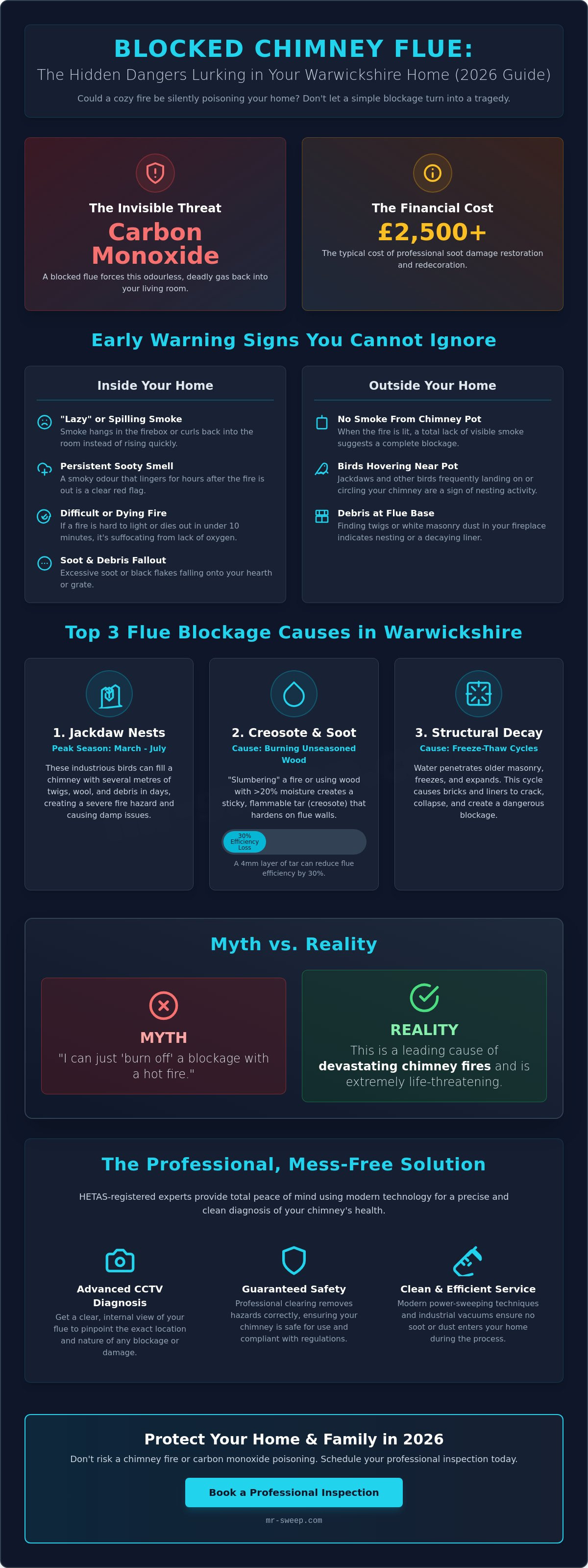
The primary indicator of a problem is "lazy" smoke. Instead of being pulled upward by a strong draught, the smoke hangs in the firebox or spills into the room. You might also notice a persistent sooty smell. A common myth suggests that a smoky aroma is just a natural part of having an open fire. It isn't. A well-functioning system should be virtually odourless inside the house. If you can smell the fire hours after it has gone out, your flue isn't drawing air correctly. This lack of airflow prevents the fire from reaching the temperatures needed for clean combustion, leading to more soot and higher risks.
The Telltale Symptoms in Your Living Room
Look for smoke leakage around the edges of your stove door or the top of the fireplace opening. If you see wisps of grey smoke entering the room, the blocked chimney flue is pushing exhaust back toward you. You may also find excessive amounts of soot or black flakes falling onto the hearth or grate. If your fire is unusually difficult to light or dies out within 10 minutes despite using dry kindling, it’s likely suffocating from a lack of oxygen caused by the obstruction.
External Signs You Should Never Ignore
Checking the exterior of your property provides vital clues. When the fire is lit, observe the chimney pot from your garden. A healthy flue shows a steady stream of smoke; no smoke at all suggests a complete blockage. Watch for debris at the base of the flue, specifically twigs or white masonry dust, which indicates a decaying liner. If you see birds frequently hovering or landing on your chimney stack, they may be attempting to nest, which is a leading cause of obstructions in rural Warwickshire homes.
The Most Common Causes of Flue Blockages in Warwickshire
Identifying why your chimney isn't drawing properly is the first step toward home safety. In Warwickshire, we see a specific set of recurring issues ranging from seasonal wildlife activity to the gradual decay of historic masonry. A blocked chimney flue rarely happens overnight; it's usually the result of accumulated debris or poor burning habits that finally reach a breaking point.
Jackdaw Nests: The Warwickshire Homeowner’s Nemesis
Between March and July, jackdaws become the primary cause of blockages in Leamington Spa and Warwick. These birds are incredibly industrious. They can fill a chimney with several metres of twigs, sheep wool, and mud in just a few days. While a fresh nest is a major fire hazard, old, compacted debris from previous seasons is equally dangerous. It absorbs moisture from the air, leading to damp patches on your chimney breast and a total lack of ventilation. If you notice twigs falling into your grate or birds circling your pots, you need professional bird nest removal chimney warwickshire to clear the passage before you light the first fire of autumn.
Creosote and Soot: The Chemical Blockage
Burning unseasoned wood with a moisture content above 20% is a recipe for disaster. When you "slumber" a fire by turning the air intake down to make the fuel last longer, the smoke cools before it can escape. This creates a sticky tar that clings to the flue walls. Over time, this tar hardens into Stage 3 creosote, a glass-like substance that's extremely flammable and difficult to remove. Even a 4mm layer of tar can reduce the flue's efficiency by 30%. This restriction forces toxic gases like carbon monoxide back into your living room rather than letting them vent safely outside.
The 2026 UK climate has brought more intense rainfall and fluctuating temperatures to the Midlands. These conditions accelerate the freeze-thaw cycle in older Warwickshire masonry. Water enters the porous brickwork of Victorian and Edwardian chimneys, freezes, and expands. This causes the internal face of the chimney to flake off, a process known as spalling. These loose bricks and mortar shards often lodge themselves in bends or narrow sections of the blocked chimney flue, creating a physical barrier that standard cleaning tools might miss.
Liners don't last forever, and a collapsed liner is a common "hidden" blockage we encounter. Many homes in the region still rely on clay or pumice liners installed in the 1970s or 80s. If these crack, they can shift and create a total obstruction. A professional CCTV inspection is often the only way to spot these structural failures before they lead to a chimney fire. If you haven't had your system checked since the last heating season, it's a good idea to book a professional chimney sweep to ensure your home remains protected.
Myth-Busting: Why You Can’t Just "Burn Off" a Blockage
When homeowners suspect a blocked chimney flue, the temptation to find a quick, low-cost fix is high. Many believe that traditional methods or store-bought products can bypass the need for a professional sweep. These myths aren't just incorrect; they frequently lead to structural damage or life-threatening situations. Understanding the physics of your chimney helps explain why these "shortcuts" fail every time.
The most common misconception is that a "hot fire" will simply incinerate whatever is in the way. Whether it's a thick layer of soot or a stubborn bird nest, people assume intense heat will clear the path. In reality, this is the most effective way to trigger a chimney fire. Bird nests consist of dry twigs, grass, and feathers, which act as perfect kindling. When these ignite inside a restricted space, the fire spreads upward instantly, trapped within the masonry.
The Danger of the "Hot Fire" Approach
A chimney fire isn't just a localized flame. Temperatures inside a blocked chimney flue can exceed 1,100°C during a fire. This extreme heat causes masonry to expand rapidly, often leading to the chimney stack cracking or even exploding under the internal pressure. According to UK fire statistics, hundreds of preventable house fires start this way each year. To protect your property, you should follow the latest chimney fire safety guidelines, which emphasize prevention over reactive measures.
Why Chemical "Log Cleaners" Are Not a Magic Bullet
You'll often find chemical cleaning logs or powders in Warwickshire DIY shops. While these products serve a purpose, they are frequently misunderstood. These chemicals are designed to alter the state of creosote, making it more brittle and easier to remove. However, they cannot move physical obstructions. If your flue is blocked by a fallen brick, mortar, or a jackdaw nest, no amount of chemical treatment will clear it. Relying on these products provides a false sense of security while the underlying danger remains.
- Compaction: Using drain rods or long poles often pushes the debris into a tighter "plug," making professional removal much more difficult and expensive.
- Liner Damage: DIY tools lack the flexibility of professional power-sweeping equipment. Forcing a rod into a bend can easily crack a clay liner or puncture a stainless steel flue.
- Incomplete Cleaning: Even if you move some soot, you won't achieve the thorough clean required to prevent carbon monoxide leakage into your living room.
Professional chimney sweeps use specialized brushes and vacuum systems to ensure the debris is removed from the home entirely. Don't risk your safety on a DIY "fix" that could end in a call to the Warwickshire Fire and Rescue Service. A professional inspection is the only way to guarantee your flue is clear and safe for use.
How Professionals Diagnose and Clear Blockages Safely
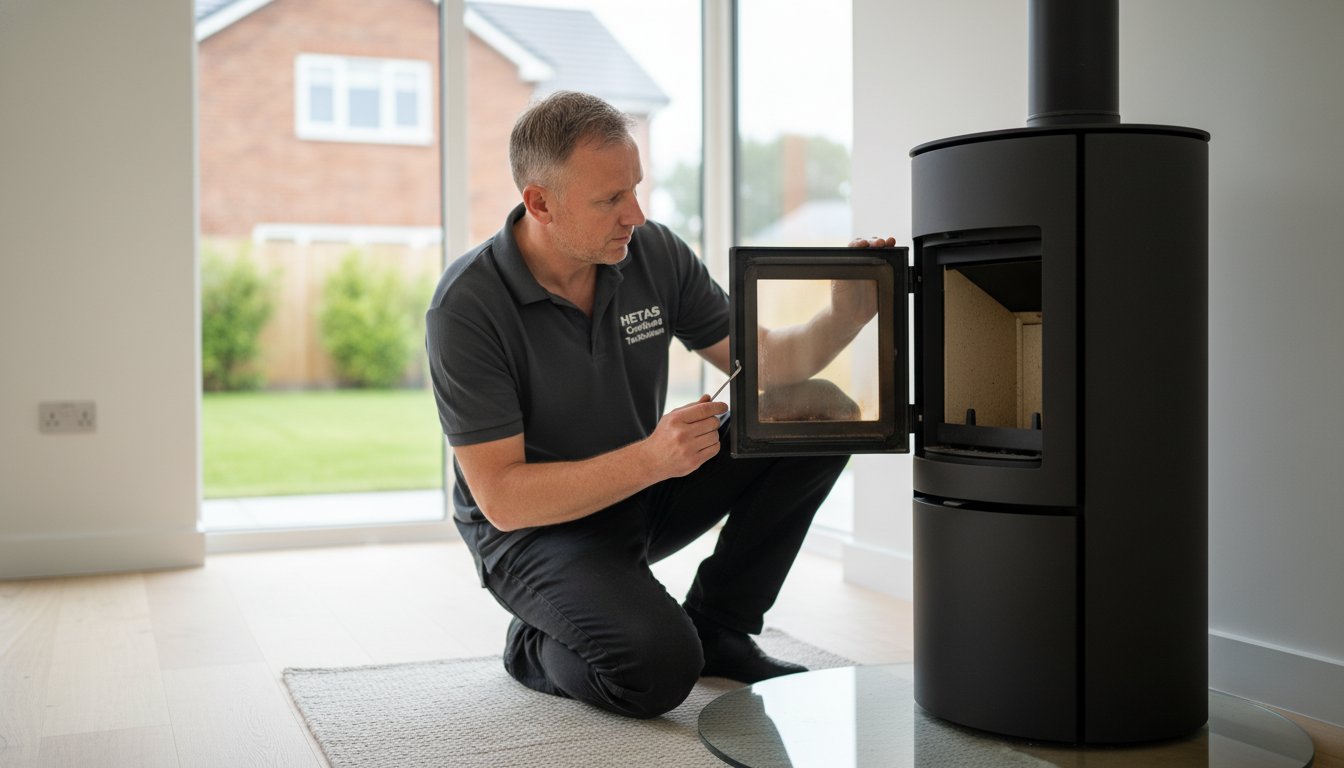
Adrian’s HETAS-registered process for unblocking a chimney prioritizes safety and precision over guesswork. Clearing a blocked chimney flue isn't just about pushing a brush through; it's a technical procedure that requires identifying the cause before applying a solution. A professional sweep uses a systematic approach that starts with an assessment and ends with a certified safety test. This ensures that every obstruction, from loose debris to hardened creosote, is completely removed without compromising the integrity of the stack.CCTV Surveys: Seeing the Unseen
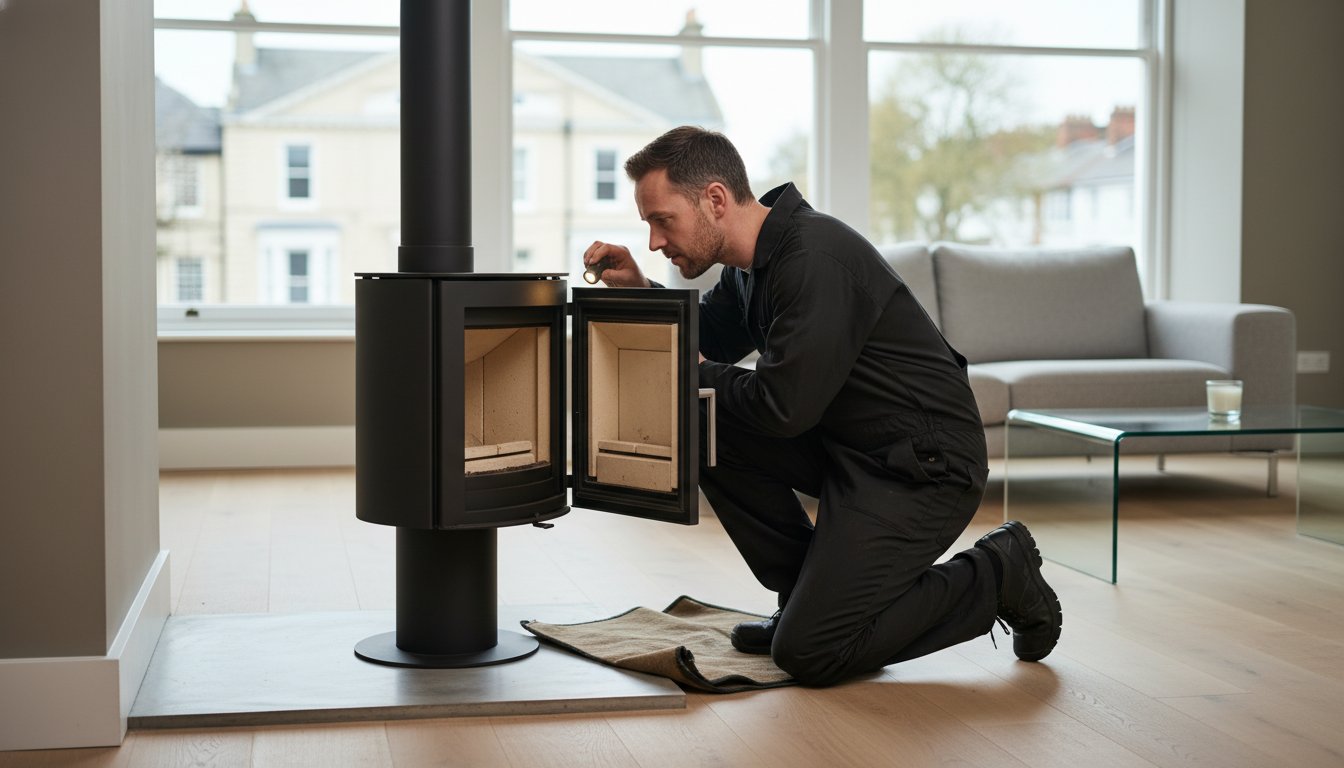
Traditional sweeping methods can't reveal what's happening behind the brickwork. Adrian utilizes high-definition camera technology to get a real-time view of the flue's interior. These inspections are vital for identifying structural collapses, cracked liners, or persistent bird nests that a standard brush might simply push further up. A cctv chimney inspection leamington spa is the only way to guarantee a flue is 100% clear. It provides visual proof that the passage is unobstructed and safe for use, saving homeowners from the risk of recurring blockages or hidden fire hazards.Specialist Tools for Hardened Blockages
When a blocked chimney flue is caused by Stage 3 creosote or a densely packed Jackdaw nest, standard brushes often fall short. Adrian employs modern power sweeping technology. This involves flexible, motor-driven rods that spin specialized heads to strip away tar and soot more effectively than manual scrubbing.- Nest Hooks: Heavy-duty, targeted tools designed to extract twigs and mud without putting pressure on the chimney walls.
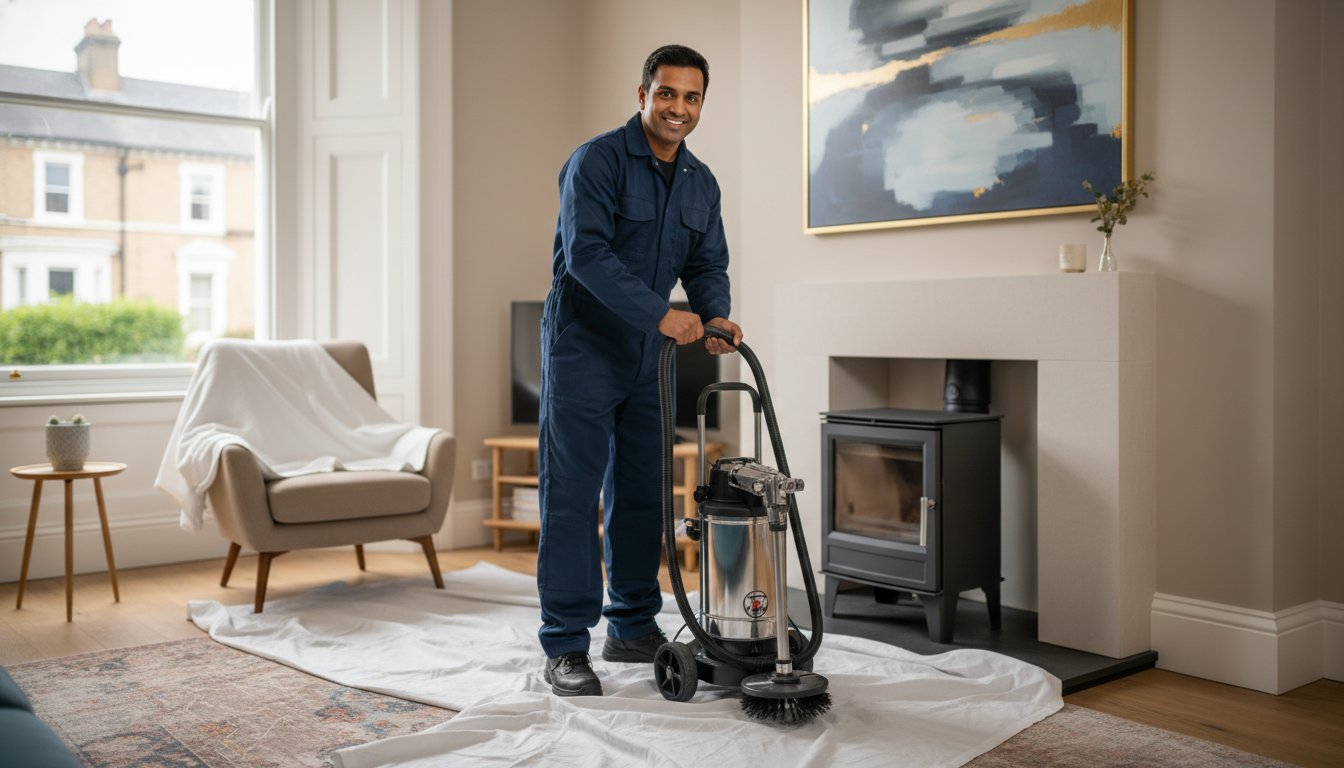
- Industrial HEPA Vacuums: These high-powered units capture 99.97% of fine particles, ensuring no soot or dust enters your Warwickshire living room.
- Specialized Rods: Different diameters and flexibility levels allow for cleaning around tight bends in older flues without causing damage.
Protecting Your Warwickshire Home: Professional Flue Clearance
Homeowners across Warwickshire, from the historic streets of Warwick to the suburbs of Coventry, face the same seasonal challenge. Ensuring your heating system functions safely requires more than a quick glance at the hearth. By 2026, the increased use of high-efficiency wood burners means professional intervention is the only way to guarantee a clear path for exhaust gases. A blocked chimney flue can lead to carbon monoxide backup or a devastating chimney fire in a matter of minutes.
Adrian provides expert services across Leamington, Warwick, Kenilworth, and Coventry, combining traditional skills with modern technology. Professional maintenance removes the guesswork, using specialized brushes and industrial vacuum systems to ensure your living room remains soot-free during the process. Relying on an expert ensures that hidden obstructions, such as compacted bird nests or deteriorating masonry, are identified before they become life-threatening hazards.
Why Choose a HETAS-Registered Specialist?
HETAS registration is the gold standard for chimney safety in the UK. It gives you the peace of mind that Adrian possesses the certified expertise to handle complex flue systems while adhering to strict building regulations. Every visit is defined by a commitment to a friendly, reliable, and mess-free service. If the inspection uncovers damaged components, you can access specialized wood burning stove repair leamington to replace firebricks, door ropes, or glass, keeping your appliance in peak condition.
Booking Your Local Expert
Securing a professional inspection in Leamington or Warwick is a straightforward process designed to fit around your schedule. Annual maintenance is the most effective way to prevent a blocked chimney flue and ensure your system operates at maximum efficiency. Upon completion of the sweep, you'll receive a Chimney Sweep Certificate. This document is essential for your home insurance policy. Many UK insurers refuse to pay out on fire-related claims without valid proof of professional sweeping within the last 12 months.
Don't leave your family's safety to chance this winter. A quick survey now prevents expensive repairs and dangerous blockages later. Contact MR-SWEEP for a professional chimney inspection today to book your local Warwickshire specialist and ensure your home stays warm and protected.
Secure Your Warwickshire Home with a Clear and Safe Flue
A blocked chimney flue is more than a minor inconvenience; it's a serious fire and carbon monoxide risk that requires immediate professional attention. Common myths like trying to "burn off" a blockage only increase the danger to your property and your family. Warwickshire homeowners must prioritize professional diagnosis over dangerous guesswork to ensure their heating systems function correctly throughout the winter months.
At MR-SWEEP, we utilize high-definition CCTV camera surveys to provide a precise diagnosis of every obstruction. As a HETAS-registered technician, I ensure that every job meets strict UK safety standards. You'll receive a formal safety certificate with every sweep, giving you the documentation often required by home insurance providers. We pride ourselves on leaving your home as clean as we found it, removing every trace of soot and debris without the mess. Don't wait for a small issue to become a hazardous emergency.
Book Your Professional Chimney Inspection with MR-SWEEP Today
You can rest easy knowing your fireplace is safe, efficient, and ready for use.
Frequently Asked Questions
How do I know if my chimney flue is totally blocked?
You'll notice smoke billowing back into your living room or a strong, acrid smell of soot when you light a fire. A blocked chimney flue often drops debris like twigs or mortar into the grate, indicating a physical obstruction. If your fire struggles to stay lit or the room feels heavy with air, stop using the appliance immediately to avoid smoke damage.
Is it safe to use my fireplace if I suspect a small blockage?
No, you shouldn't use your fireplace if you suspect any level of obstruction. Even a minor blockage restricts the exit of toxic gases, which increases the risk of carbon monoxide entering your home. UK safety standards require a flue to be 100% clear to ensure the safe ventilation of combustion byproducts. Safety is our priority, so don't take the risk.
Can a bird nest in my chimney cause carbon monoxide poisoning?
Yes, bird nests are a leading cause of carbon monoxide poisoning in homes with solid fuel appliances. Jackdaws can fill a chimney with 3 or 4 feet of sticks and debris in just 48 hours. This material creates a dense plug that prevents smoke from escaping. This forces dangerous, odourless fumes back into your property instead of out through the pot.
What is the most common cause of blockages in Leamington Spa homes?
Jackdaw nests and hardened creosote are the primary causes of blockages in Leamington Spa and the wider Warwickshire area. Local records show that bird activity peaks between March and July, leading to a high volume of call-outs for nest removals. Failure to sweep chimneys annually allows tar and creosote to narrow the flue diameter over time, creating a fire hazard.
How much does it cost to have a blockage professionally removed?
Professional chimney sweeping costs in the UK typically range from £60 to £100 for a standard service, while a blocked chimney flue removal involves additional labour fees. Factors like the size of a nest or the hardness of the creosote determine the final price. You'll receive a clear, professional quote after we've performed an initial inspection of the obstruction.
How long does a professional chimney unblocking take?
A standard sweep takes about 45 to 60 minutes, but removing a stubborn blockage can take up to 2 hours. If we're dealing with a large bird nest, the process requires specialized power-sweeping tools to break down the material safely. We work efficiently to ensure your fireplace is back in action as quickly as possible without rushing the safety checks.
Will a chimney sweep make a mess in my house?
We use industrial-grade HEPA vacuums and specialized floor coverings to ensure your home stays spotless. Our technicians seal the fireplace opening before work begins, capturing 99.9% of soot particles. You won't need to worry about soot on your carpets or furniture. We pride ourselves on leaving your home as clean as we found it, just much safer.
Can I prevent birds from nesting in my chimney in the future?
Installing a stainless steel bird guard or a specialized cowl is the most effective way to prevent future nesting. These guards allow smoke to escape while blocking access for birds and squirrels. We recommend fitting these during your annual sweep to provide year-round protection. It's a simple, one-time investment that prevents the recurring cost and danger of nest removals.