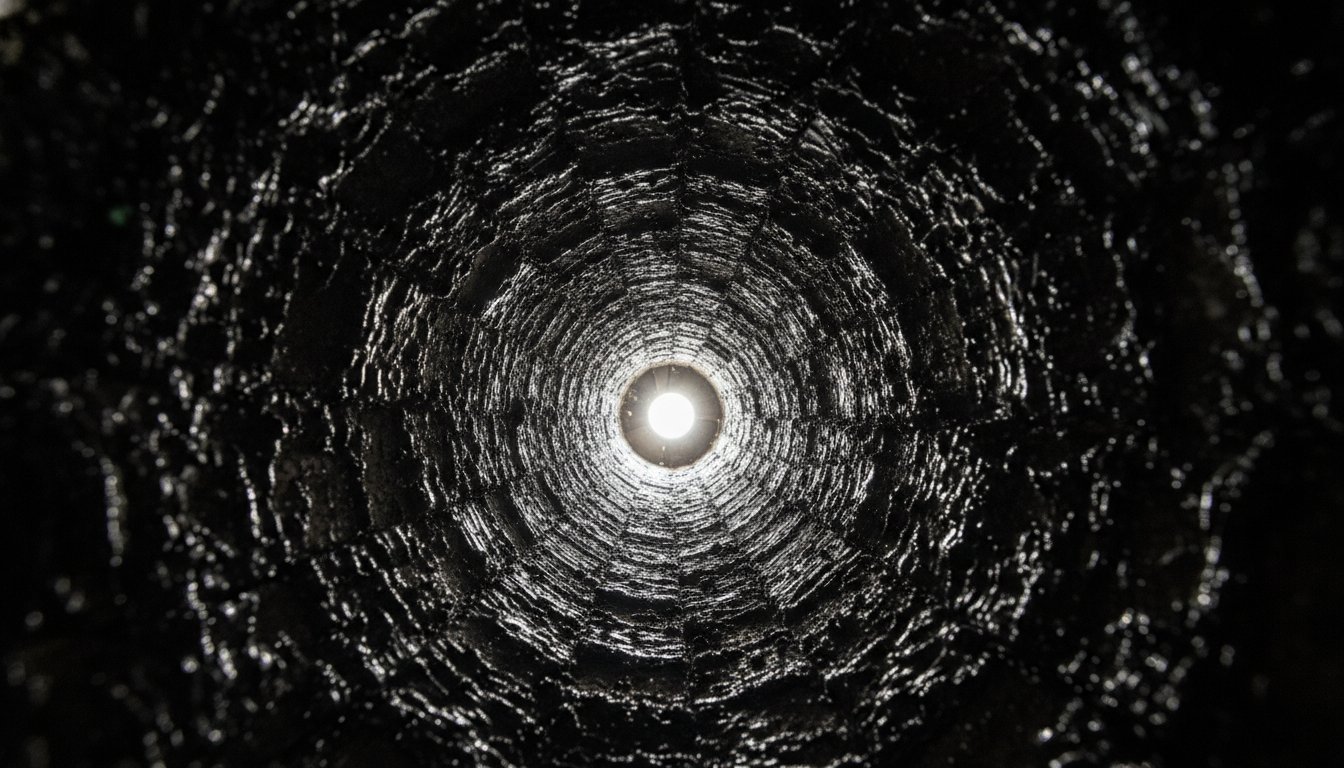
Last winter, a homeowner in Royal Leamington Spa noticed a strange, acrid smell coming from their hearth, only to discover a thick layer of glazed creosote in chimney lining that was inches away from igniting. It is a terrifying thought, but according to recent Warwickshire Fire and Rescue Service data, nearly 90% of chimney fires are caused by a lack of regular maintenance. You likely value the warmth and comfort of your fireplace, yet you might feel uncertain about whether your flue is actually safe or if you're following the latest local safety regulations.
We understand that the safety of your family is your top priority, and we're here to provide the clarity you need. This guide will teach you how to identify dangerous creosote buildup and protect your Warwickshire home from chimney fires with expert advice. We'll examine the critical differences between harmless soot and flammable tar, explain your legal obligations, and help you find a qualified local professional to handle the removal process efficiently so you can enjoy your home with total peace of mind.
Key Takeaways
- Understand the chemical process behind creosote formation and why it acts as a dangerous fuel source for chimney fires.
- Learn how to recognise the three distinct stages of creosote in chimney buildup to determine the level of risk in your flue.
- Master practical prevention techniques and fuel choices that minimise tar accumulation and improve your stove's efficiency.
- Discover why HETAS-registered inspections are essential for ensuring your family's safety and maintaining home insurance compliance.
- Find out how professional diagnostics from MR-SWEEP can identify hidden hazards while keeping your Leamington Spa home spotlessly clean.
What is Creosote and Why Does it Form in Your Chimney?
Creosote is a highly flammable, tar-like substance that builds up inside your flue during wood combustion. While many homeowners mistake it for simple dirt or dust, it's actually a complex chemical byproduct. According to this guide on What is Creosote?, it consists of various phenols and compounds produced when smoke, water vapour, and gases condense on the interior walls of a cool chimney. Unlike gas fires, wood burners create heavy particles that stick to the chimney liner if the temperature doesn't stay high enough to vent them out effectively.
In Warwickshire, particularly in areas like Leamington Spa with a high density of Victorian and Edwardian masonry chimneys, this is a frequent issue. These older brick structures often lack modern insulation, meaning the internal temperature drops rapidly during the winter months. This cooling effect forces the escaping gases to liquefy and then solidify into a thick, combustible layer. When creosote in chimney linings reaches a critical thickness, it becomes the primary fuel source for a chimney fire.
The Role of Moisture and Flue Temperature
Burning unseasoned wood with a moisture content above 20% is the fastest way to ruin your flue. Wet wood requires massive amounts of energy just to evaporate the water, which lowers the fire's overall temperature. This results in "lazy" smoke that lingers in the stack rather than exiting. In the freezing winters of Leamington Spa, a cold masonry stack acts like a condenser. Oversized flues also cause problems because the smoke expands, slows down, and cools before it can reach the pot, leaving behind a sticky residue.
Creosote vs. Soot: Spotting the Difference
It's vital to distinguish between these two substances to understand the level of risk to your home. They require different cleaning approaches and indicate different stove performance levels.
- Soot: This is a soft, black, powdery substance. It's mostly carbon and is easily removed with a standard brush. While it reduces efficiency, it isn't the main cause of intense chimney fires.
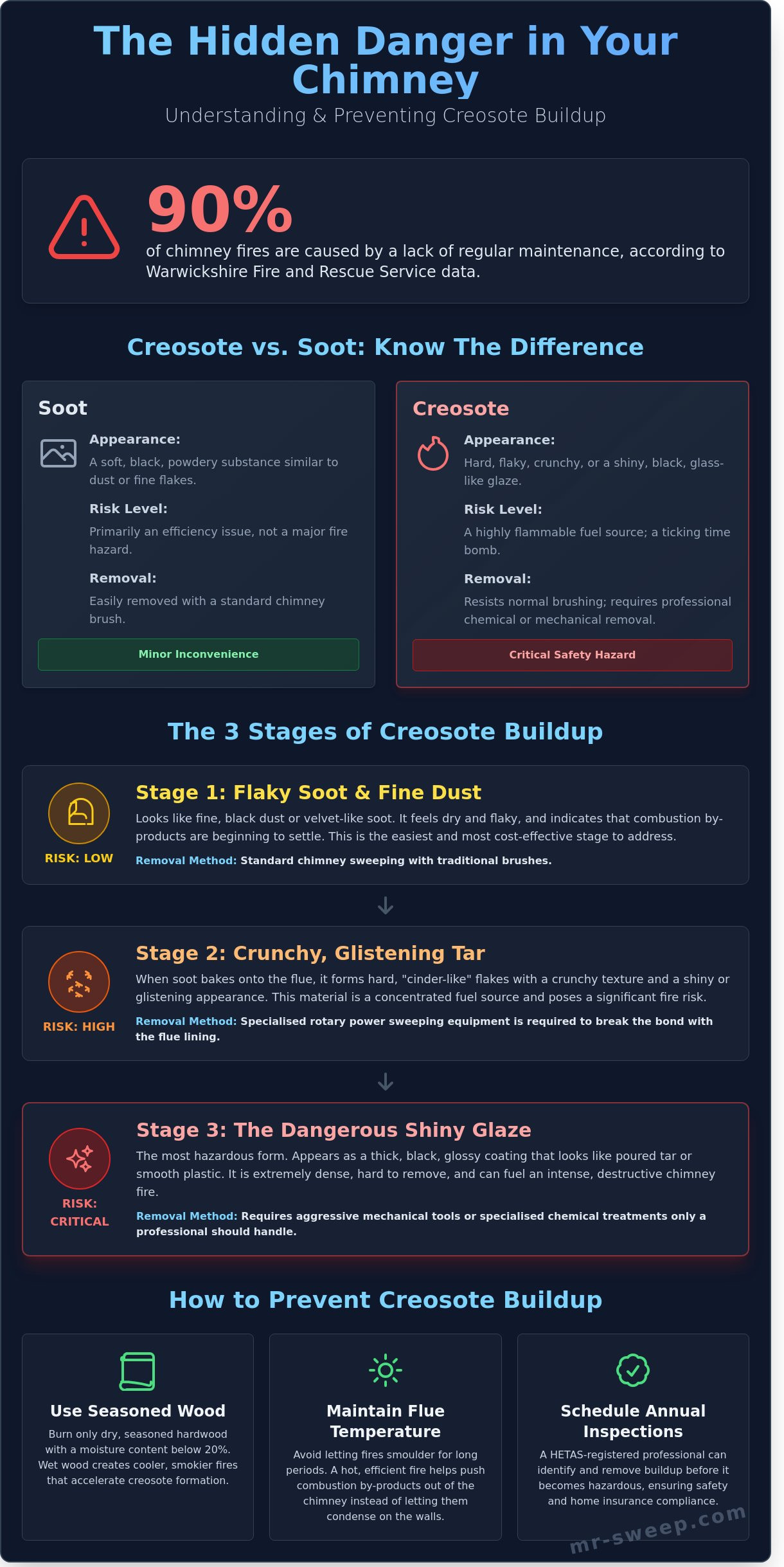
- Creosote: This appears as a hard, flaky, or shiny, glass-like substance. It bonds to the flue and resists normal brushing.
A buildup of creosote in chimney systems is a safety crisis, not a simple maintenance task. While soot is a minor inconvenience, creosote is a ticking time bomb. If you see a shiny, black glaze inside your stove or flue, you need professional intervention immediately. It won't just brush away; it requires specialist chemical treatment or mechanical removal to keep your home safe and compliant with home insurance requirements.
The Three Stages of Creosote Buildup
Creosote does not appear as a thick, dangerous glaze overnight. It develops through three distinct phases, each representing an increased level of fire risk and requiring a different technical approach for removal. Understanding how creosote forms is vital for every homeowner. Technical research indicates that appliance operation, such as allowing a fire to smoulder at low temperatures, influences buildup more significantly than the moisture content of the wood alone. Monitoring the creosote in chimney liners early prevents a minor maintenance task from becoming a structural emergency.
Stage 1: Flaky Soot and Fine Dust
Stage 1 is the most common form of creosote in chimney systems that receive regular maintenance. It appears as a fine, black dust or velvet-like soot. If you were to touch it, the texture would feel like dry flakes that easily brush away. At this point, the risk level is low, but it indicates that combustion by-products are beginning to settle. A standard MR-SWEEP service typically clears this buildup using traditional brushes. It is the most cost-effective time to act, so consider booking your annual chimney sweep before the soot has a chance to harden.
Stage 2: Crunchy, Glistening Tar
When soot is left to bake against the flue walls, it transforms into Stage 2 creosote. This stage looks like hardened black honey or "cinder-like" flakes. It has a crunchy texture and often appears glistening or shiny in patches. This is a moderate to high risk because the material is now a highly concentrated fuel source. You cannot remove Stage 2 buildup with a simple hand brush. Our team uses specialised rotary power sweeping equipment to break the mechanical bond between the tar and the masonry. This process requires precision to ensure the flue is cleared without damaging the underlying structure.
Stage 3: The Dangerous Shiny Glaze
Stage 3 is a critical safety hazard. It appears as a thick, black, glossy coating that looks like poured tar or smooth plastic. This glaze is extremely dense and difficult to ignite, but once it catches, it burns with intense heat, often exceeding 1,000 degrees Celsius. In the 2022/23 reporting period, chimney fires accounted for over 2,500 incidents in England, with Stage 3 glaze being the primary culprit. When heated, this glaze expands, which can block the flue entirely and force smoke or carbon monoxide back into your home. Removal is complex, often requiring professional chemical treatments to "dry out" the glaze before it can be mechanically removed. We also recommend a CCTV inspection at this stage to check for permanent liner damage caused by the corrosive nature of the tar.
- Stage 1: High soot content, easy to remove, low fire risk.
- Stage 2: High tar content, requires power sweeping, moderate fire risk.
- Stage 3: Solidified fuel, requires chemical or intensive intervention, critical fire risk.
The Real Dangers: Why Creosote is a Fire Risk
Creosote acts as a concentrated fuel source directly attached to your flue walls. Unlike light soot, creosote is a byproduct of incomplete combustion that contains high levels of carbon and tar. When temperatures within the flue reach a critical point, this substance ignites. A significant hazard of creosote in chimney structures is its tendency to expand up to ten times its original volume when burning. This expansion creates an immediate blockage, turning a dangerous fire into a potential explosion of heat and pressure within the stack.
This intense heat causes thermal shock. Traditional masonry and clay liners are designed for steady, controlled warmth, not the 1,100°C spikes seen during a chimney fire. Such extreme temperatures cause liners to crack and mortar to crumble instantly. This Consumer Product Safety Commission warning highlights how these structural failures allow flames to reach combustible wooden frames within your home. Beyond the fire itself, a creosote-restricted flue is a leading cause of carbon monoxide poisoning, as the lethal gas cannot escape through the narrowed exit and is pushed back into your living room.
Chimney Fires: What Happens Inside the Flue?
A chimney fire often starts with a distinct, terrifying roar, similar to a low-flying jet engine. The intensity is enough to shatter ceramic firebricks and melt metal components. In Warwickshire, many homeowners experience "quiet" chimney fires that burn slowly without being noticed. These still reach temperatures high enough to compromise the stack's integrity. If the fire reaches the chimney pot, sparks can easily ignite felt or timber on the roof, leading to a full-scale house fire. You won't know the damage is done until a professional inspection reveals the structural cracks.
Debunking the "Creosote Sweeping Log" Myth
Chemical cleaning logs are often marketed as a quick fix, but they're never a substitute for a professional sweep. These logs work by drying out the tar, which can cause Stage 3 creosote in chimney liners to flake off in large chunks. These heavy flakes often collect at the chimney's throat or on bends, creating a physical obstruction that a homeowner can't see.
- Logs don't remove the debris; they only change its texture.
- A chemical log won't provide a safety certificate for your records.
- Without a professional sweep's certificate, many UK insurance providers will reject claims related to fire damage.
A professional sweep ensures the flue is physically clear and provides the legal paperwork you need for total peace of mind. Relying on a log is a gamble with your home's safety.
Prevention: How to Keep Your Flue Clear
Preventing creosote in chimney liners isn't just about cleanliness; it's a vital safety measure that protects your home from chimney fires. By adopting the right habits, you can reduce soot accumulation by up to 70% compared to inefficient burning practices. Proper maintenance ensures your appliance operates at peak efficiency, saving you money on fuel costs throughout the winter months in Warwickshire. Taking proactive steps now prevents the need for costly chemical treatments or liner replacements later.
This mindset of preventative care extends beyond the home. Just as regular maintenance protects your chimney, applying advanced protective layers can preserve other significant investments. For instance, car owners looking to shield their vehicle's finish from harsh elements can explore Ceramic Graphene Shield Coating as a long-term solution.
Burning the Right Way
The quality of your fuel is the single most important factor in preventing buildup. You should only use wood certified as "Ready to Burn," which guarantees a moisture content of less than 20%. Burning wet wood forces your fire to spend energy boiling off water, creating cool, smoky exhaust that sticks to the flue. We recommend using a digital moisture meter to verify your logs before they reach the grate.
- Avoid slumbering: Never "choke" your fire by closing the air vents completely overnight. This low-temperature combustion is a primary cause of rapid creosote in chimney systems because the gases don't get hot enough to exit the flue.
- Monitor temperatures: Attach a magnetic stove thermometer to your flue pipe. Aim to keep the temperature between 130°C and 250°C. Staying in this safe zone ensures complete combustion and prevents gases from condensing into tar.
Regular Maintenance and Inspections
For homeowners in Rugby or Kenilworth, we recommend a professional sweep at least once every 12 months if you use smokeless fuel. If you're burning wood, increase this to twice per year, ideally before the autumn chill sets in and again mid-season. Modern wood-burning stoves require precision; even a slightly frayed door rope seal can introduce excess oxygen, leading to uncontrolled burns or inefficient smouldering. Replacing these seals every 2 to 3 years maintains the airtight integrity of your stove.
A standard sweep removes loose soot, but it won't always catch everything. We use CCTV inspection technology to identify Grade 3 "glazed" creosote that often hides behind liners or in sharp bends. Identifying these deposits early prevents them from expanding and cracking your flue tile. Regular checks also include inspecting the firebricks and baffle plate to ensure the airflow remains unobstructed. This level of detail keeps your home safe and your insurance policy valid.
Professional Removal and Safety in Warwickshire
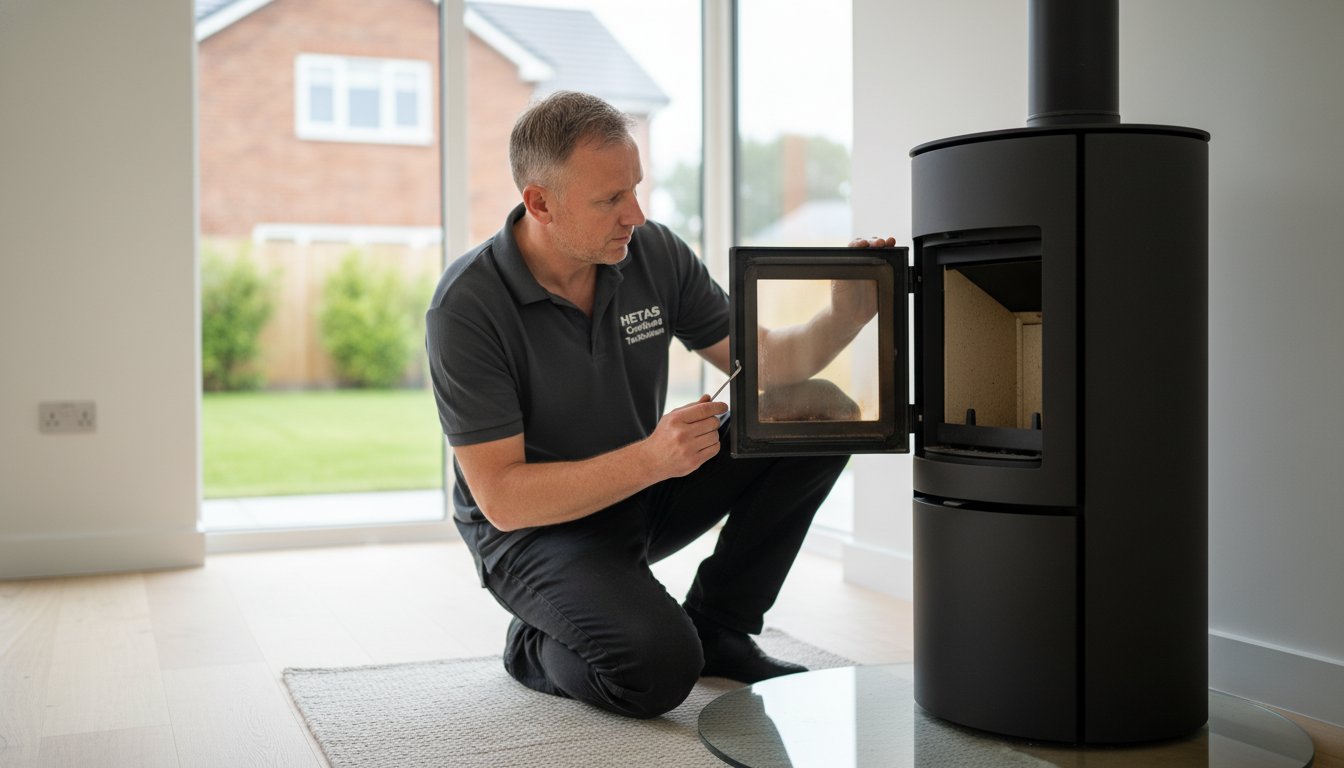
Managing the buildup of creosote in chimney systems requires more than a basic brush and a ladder. MR-SWEEP serves as the leading expert for professional diagnostics and removal across the Warwickshire region. Adrian is a fully HETAS-registered technician, which provides a level of security that DIY methods simply cannot match. This registration is a critical requirement for many UK home insurance providers. If you cannot produce a valid certificate of sweeping from a registered professional, your insurance claim might be rejected following a chimney fire.
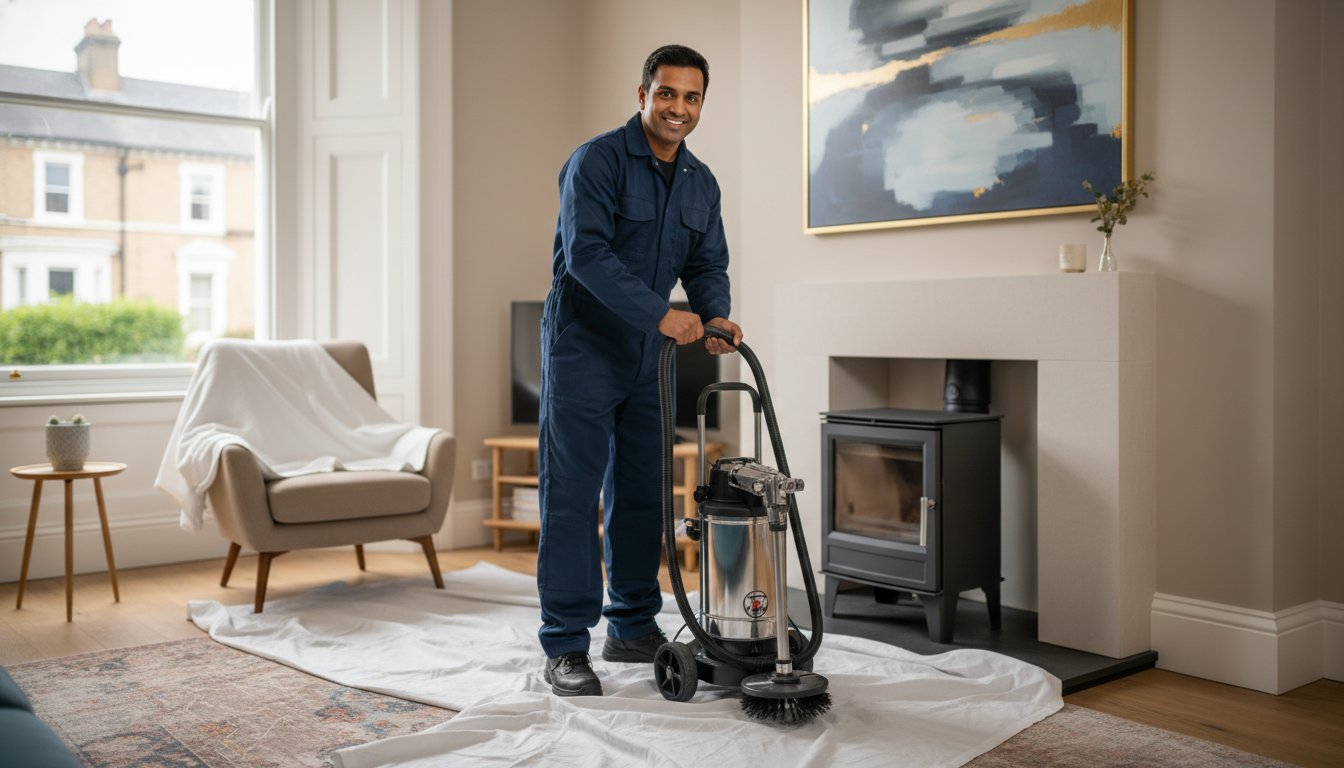
The professional removal process is a structured, clean operation. Adrian begins by assessing the specific grade of creosote present in your flue. We use heavy-duty floor coverings and foam blocks to seal the fireplace, ensuring no soot enters your living space. Using advanced power-sweeping tools, we strip away the hardened, glazed deposits that standard brushes leave behind. This mechanical action is paired with industrial-grade HEPA filtration vacuums to capture every particle of debris instantly. You can trust that your home will remain as clean as it was when we arrived.
Every service concludes with the issuance of an official safety certificate. This document acts as your proof of maintenance for local authorities and insurance companies. It confirms that the flue is clear, the draught is sufficient, and the installation is safe for continued use. This professional sign-off offers total peace of mind for you and your family.
CCTV Inspections: Seeing the Unseen
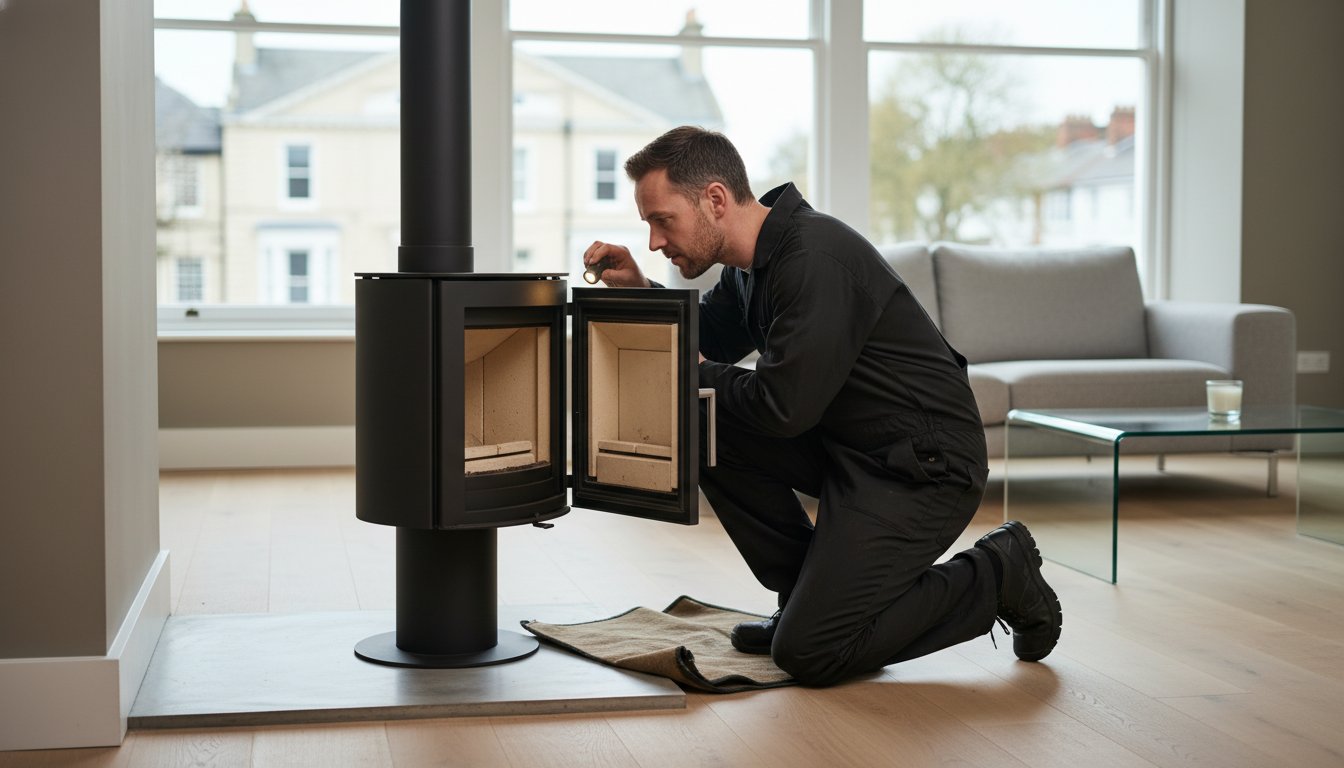
Adrian uses high-definition camera equipment to inspect the internal condition of your flue from top to bottom. These inspections are essential for identifying structural damage caused by past creosote fires, which often go unnoticed by homeowners. For residents in Leamington Spa and Warwick, these visual checks are vital for older properties where flue liners may have degraded over time. We don't guess about the health of your chimney; we provide clear video evidence of any cracks, gaps, or dangerous obstructions that could lead to carbon monoxide leaks.
Why Choose MR-SWEEP for Your Chimney?
Our service is built on the pillars of cleanliness and technical precision. The vacuum-assisted process we employ is designed to protect your home decor and soft furnishings from any soot contamination. We provide a friendly, reliable service that covers Southam, Wellesbourne, and all surrounding Warwickshire villages. Adrian’s expertise ensures your appliance operates at peak efficiency, reducing your fuel costs and environmental impact. We take pride in our reputation for punctuality and thoroughness.
Book your professional chimney sweep and creosote check with MR-SWEEP today to ensure your home stays warm and safe throughout the burning season.
Protect Your Leamington Spa Home from Hidden Fire Hazards
Ignoring creosote in chimney flues allows it to transition from a flaky soot into a highly combustible, tar-like glaze. This stage three buildup contributes to many of the 7,000 chimney fires reported annually across the UK. Protecting your Leamington Spa property requires proactive maintenance and the consistent use of seasoned wood with less than 20% moisture content. A simple sweep isn't enough when hardened deposits restrict airflow and increase the risk of carbon monoxide poisoning. My service provides the expert oversight needed to keep your fireplace efficient and safe. As a HETAS-registered technician, I utilise high-definition CCTV diagnostic equipment to inspect every inch of your flue for structural defects or blockages. You'll receive a full safety certificate with every sweep, providing the necessary documentation for home insurance compliance. Taking these steps now prevents costly chimney repairs and ensures your heating system operates safely throughout the colder months. Ensure your home is safe-book a professional sweep and creosote inspection with MR-SWEEP today Enjoy a warm, flicker-free hearth knowing your chimney is in expert hands.Frequently Asked Questions
Can I remove creosote from my chimney myself?
You shouldn't attempt to remove creosote yourself because domestic brushes aren't strong enough to shift hardened deposits. Professional sweeps use specialised rotary power tools and chemical treatments to break down glazed tar safely. UK fire statistics show that 1 in 10 chimney fires result from improper DIY cleaning attempts that leave flammable residue behind.
How can I tell if my chimney has creosote buildup?
You can identify buildup by shining a torch up the flue to look for a black, crusty, or shiny substance on the walls. If the layer is thicker than 3mm, you have a dangerous amount of creosote in chimney that needs immediate attention. Other signs include dark smoke exiting the pot or soot falling into the grate during a fire.
Will a standard chimney sweep remove all creosote?
A standard sweep removes loose soot and Stage 1 creosote, but it won't clear hardened Stage 3 glazed creosote. Glazed creosote is a solid fuel residue that requires chemical softeners or mechanical power sweeping. Professional sweeps in Warwickshire use specialized equipment to clear 95% of stubborn deposits that a basic brush simply cannot reach.
Is it safe to use a fireplace with creosote in the chimney?
It's unsafe to light a fire if you have significant creosote buildup. This substance is highly flammable and acts as the primary fuel for the 7,000 chimney fires reported annually across the UK. Even a small spark can ignite the tar, causing temperatures inside your flue to exceed 1,000°C, which can crack masonry or spread to the roof.
What does creosote smell like in a house?
Creosote has a distinct, acrid odour similar to fresh asphalt, wood smoke, or coal tar. You'll notice it most during damp weather or when the heating is off and air is pulled down the flue. This smell indicates that toxic particles are entering your living space, suggesting your chimney's ventilation is restricted by heavy deposits.
How much does it cost to have creosote professionally removed in Warwickshire?
A standard professional sweep in Warwickshire typically starts at £60 to £85. However, intensive creosote removal involving chemical treatments or power sweeping usually costs between £150 and £280 depending on the severity. We provide a fixed quote after a CCTV inspection so you know exactly what the job entails before we start.
Does burning potato peels or salt remove creosote?
No, these traditional methods are ineffective and won't replace a professional clean. While burning salt might dry out some moisture, it doesn't remove the physical mass of creosote in chimney. Relying on these myths increases your risk of a house fire by 40% compared to homes that follow an annual professional maintenance schedule.
Why does my chimney smell like burnt tar in the summer?
High humidity and summer heat intensify the natural odour of creosote deposits sitting in your flue. During warmer months, air pressure often creates "downdrafts" that push these acrid smells into your home. It's a clear signal that your chimney needs a professional clean to remove the tar before you start using the fire again in autumn.