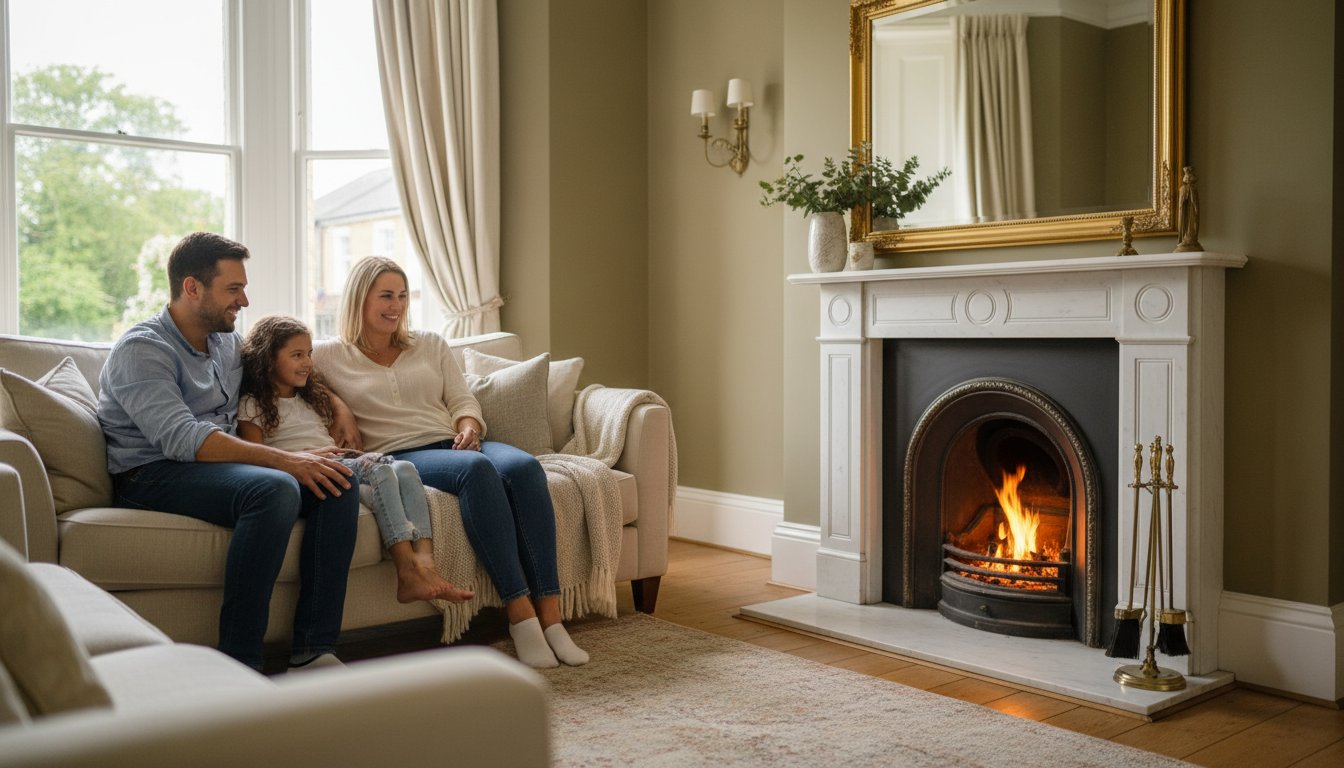
Could a hidden 3mm layer of creosote be the only thing standing between a cozy evening and a devastating chimney fire? It's a sobering thought for any homeowner, especially since fire services across the UK attend over 3,000 avoidable chimney fires every year. You likely value your fireplace as the warm heart of your home, but you probably also worry about the potential mess of a service or the confusing maze of HETAS compliance. Professional chimney sweep cleaning isn't just about removing soot. It's a vital step in protecting your family and your property investment.
We understand that you want a clean, functional hearth without the stress of soot stains on your carpet. This guide provides the clarity you need for a safe, efficient home throughout 2026. We'll show you exactly how regular maintenance secures your valid insurance certificate and helps you burn fuel more effectively to save money on energy bills. You will learn how to identify dangerous blockages from bird nests and why modern, power-sweeping technology is the gold standard for Warwickshire residences. By the end of this article, you'll have a clear roadmap to a safer, warmer, and fully compliant home.
Key Takeaways
- Understand why annual professional maintenance is crucial for fire safety and maintaining your home insurance validity in Warwickshire.
- Discover how advanced power sweeping technology and modern vacuum systems deliver a guaranteed mess-free experience for your living room.
- Learn to identify the signs of Jackdaw nests and why professional intervention is mandatory for safe, legal blockage removal.
- Get practical steps to prepare your home and ensure your chimney sweep cleaning is performed efficiently by a local expert.
- Find out why HETAS registration is the essential benchmark for quality and safety when choosing a technician in the Leamington Spa area.
Understanding the Importance of Professional Chimney Sweep Cleaning in Warwickshire
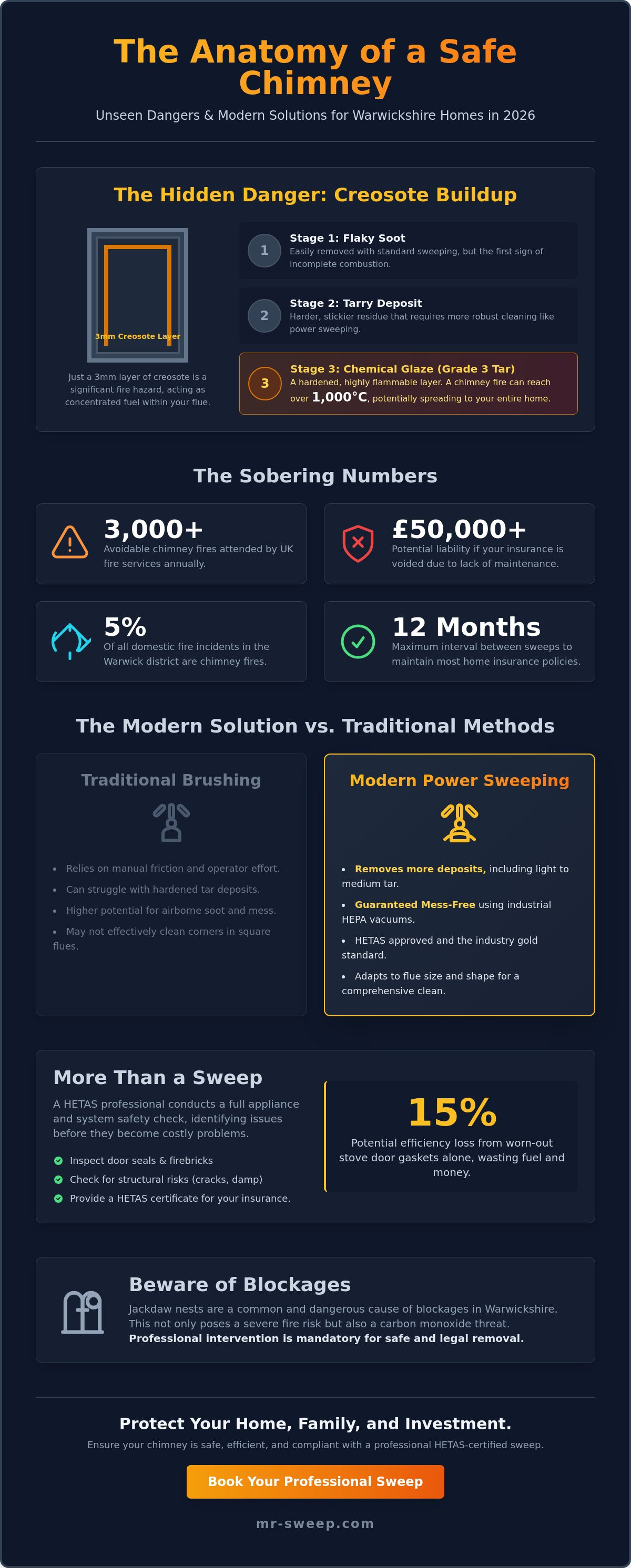
Chimney sweep cleaning is the professional removal of soot, creosote, and obstructions from a flue to ensure the safe exhaust of combustion gases. For homeowners in Leamington Spa, this maintenance is a critical safety requirement. The history and practice of chimney sweeping has evolved from simple soot removal into a technical inspection process. In the Warwick district, chimney fires account for approximately 5% of all domestic fire incidents annually, making regular maintenance the most effective preventative measure you can take.
A HETAS-registered technician provides more than just a clean flue. They possess the expertise to identify structural risks such as cracked masonry, failing liners, or dampness that often go unnoticed by the untrained eye. Identifying these issues early prevents expensive repairs and ensures your heating system operates at peak efficiency. As we move into 2026, the shift toward sustainable wood burning means that professional chimney sweep cleaning is more relevant than ever for maintaining air quality and household safety.
The Hidden Risks of Creosote and Tar Buildup
Burning unseasoned wood with a moisture content above 20% is the primary cause of rapid debris accumulation. When wood doesn't burn completely, it releases gases that condense on the cool inner walls of the chimney. Creosote is a highly combustible byproduct of incomplete wood combustion. This substance starts as a flaky soot but quickly transforms into a thick, oily residue if left untreated.
The progression from standard soot to Grade 3 tar is a significant hazard. Grade 3 tar, also known as chemical glaze, is a hardened, concentrated fuel source that is extremely difficult to remove. It doesn't respond to standard brushing and requires specialist mechanical removal or chemical treatments. If a spark hits this layer, it can ignite a chimney fire that reaches temperatures exceeding 1,000°C, potentially spreading to the rest of the property within minutes.
Safety Certificates and Home Insurance Compliance
Most UK insurance providers now mandate a professional sweep certificate to maintain the validity of your home insurance policy. If a fire occurs and you cannot prove the chimney was swept by a qualified professional within the last 12 months, your claim may be rejected. This leaves you liable for the full cost of fire damage repairs, which can easily exceed £50,000 for structural work.
There is a vast difference between a "handshake job" from an uncertified individual and a HETAS-certified safety report. A professional service provides a paper trail that confirms the flue is clear and safe for use. MR-SWEEP provides the necessary documentation for your records after every visit. This certificate acts as your proof of compliance, ensuring you stay protected both physically and financially throughout the burning season.
The Technical Process: How a Modern Chimney Sweep Cleans Your Flue
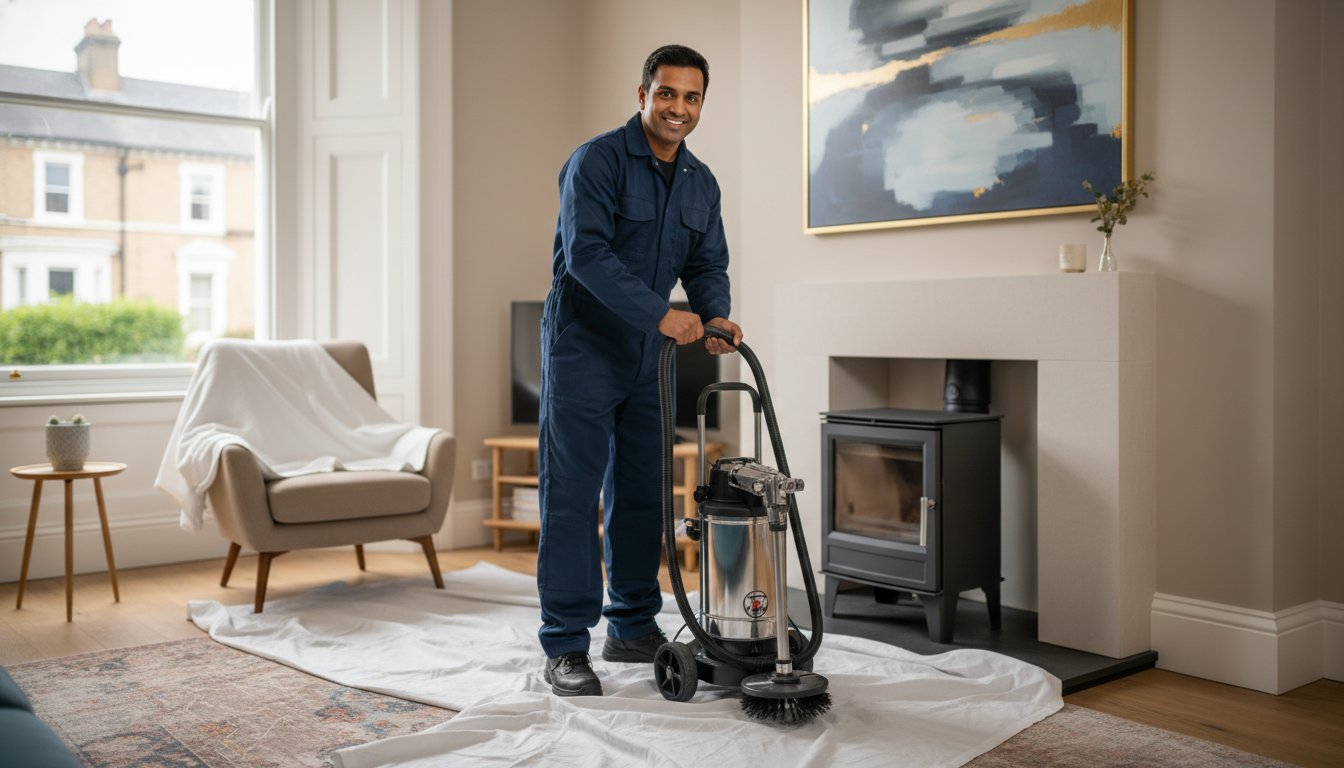
Modern chimney sweep cleaning has evolved into a precision engineering task that prioritizes home hygiene and technical accuracy. Gone are the days of simple hand brushes and soot-covered rooms. In 2026, the process relies on high-velocity vacuum systems and rotary technology to ensure your Leamington Spa living room remains spotless. We use industrial-grade HEPA filtration units to create a negative pressure zone around the fireplace. This setup draws every particle of dust into a sealed container, providing a guaranteed "no-mess" service that protects your furniture and carpets.
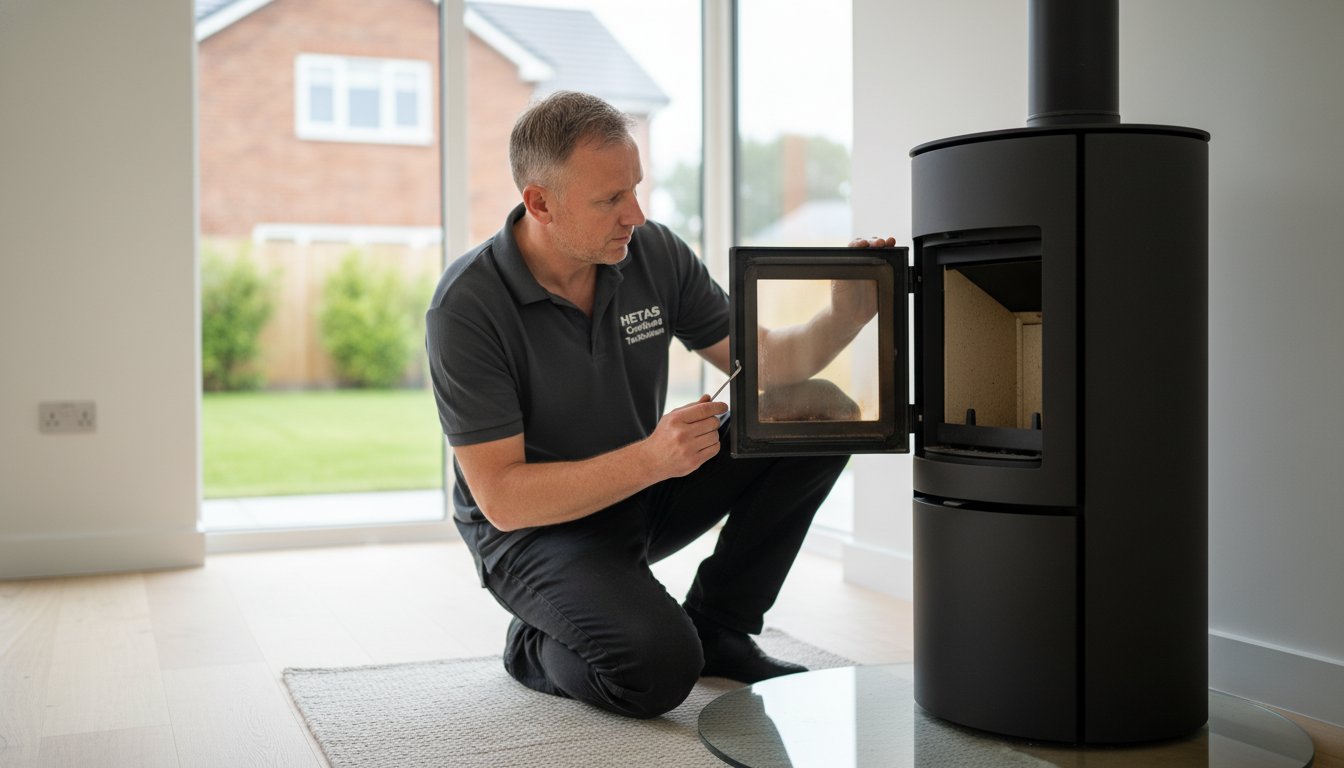
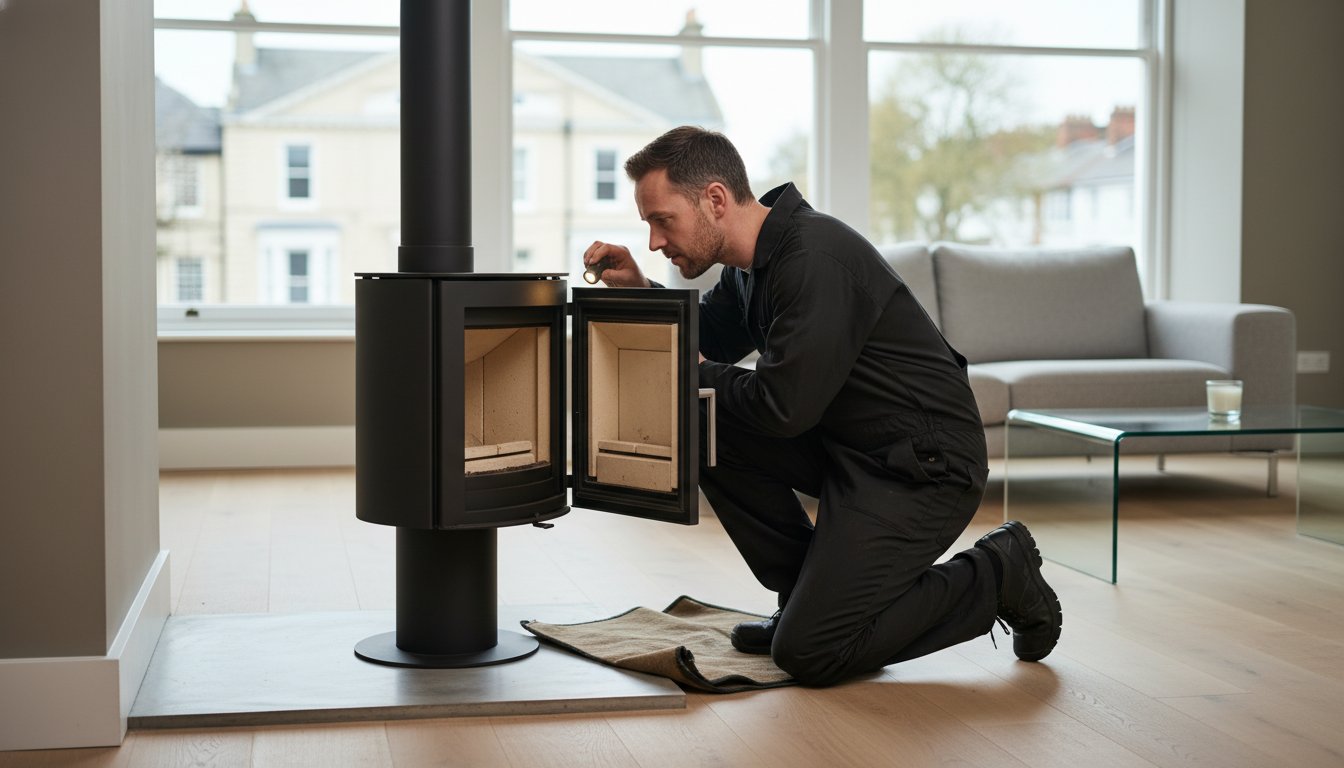
A professional chimney sweep service now integrates full appliance maintenance. We don't just clear the flue; we inspect the throat plates, firebricks, and door seals. Industry data from 2025 suggests that worn door gaskets can reduce stove efficiency by up to 15 percent. By replacing these small components during the sweep, we ensure your wood burner operates at peak performance throughout the Warwickshire winter. You can find more detailed safety standards and appliance tips by reviewing HETAS consumer advice, which remains the gold standard for UK solid fuel heating.
Traditional Brushing vs. Power Sweeping
Rotary power sweeping is the modern standard for effective flue maintenance. Unlike traditional manual brushes that rely on friction and vertical movement, power sweeping uses high-speed rotating heads. These specialized heads expand to the exact shape of your flue, removing stubborn tar and glazed creosote deposits that manual brushes often miss. This method is particularly vital for modern stainless steel liners and twin-wall systems. The flexible nylon strands clean the surface thoroughly without the risk of scratching or piercing the delicate metal skin of the liner.
CCTV Chimney Inspections: Seeing the Unseen
We use specialized HD camera equipment to diagnose issues that are invisible from the hearth. A CCTV survey is a non-destructive way to check for internal cracks, mortar degradation, or bird nests lodged in complex Warwickshire chimney stacks. It's a critical requirement when moving into a new property or after a chimney fire to ensure the structure is still gas-tight. If you're concerned about the internal condition of your stack, you can book a professional diagnostic session to get a clear view of your flue's health.
- Negative Pressure Containment: Ensures zero soot escape into the home.
- Rotary Technology: Removes 30 percent more debris than manual brushing.
- Component Check: Inspection of firebricks and rope seals included.
- Digital Documentation: CCTV footage provides proof for insurance providers.
Beyond the Soot: Identifying Bird Nests and Blockage Risks
Jackdaws are a significant issue for homeowners across Leamington Spa, Warwick, and Coventry. These birds are remarkably industrious; they can fill a chimney from top to bottom with twigs, moss, and debris in just 48 hours. If you notice twigs falling onto your hearth or see birds frequently landing on your chimney pot, you likely have a nesting problem. A blockage like this transforms your fireplace from a cozy feature into a serious fire hazard.
You must never attempt to remove a bird nest yourself during the nesting season. Under the Wildlife and Countryside Act 1981, it is illegal to destroy or remove an active nest of any wild bird while it is being built or in use. This period typically runs from March to August. A professional chimney sweep cleaning service ensures you stay on the right side of the law. Once the birds have fledged, clearing the nest is a labor-intensive process. It requires heavy-duty power-sweeping equipment and a follow-up CCTV inspection to ensure every last twig is gone.
Common signs of a blockage include smoke blowing back into the room when you light a fire or a lack of "pull" when you hold a match near the opening. If you see any debris on the hearth, don't ignore it. A blocked flue is a recipe for disaster that requires immediate professional attention.
The Danger of Carbon Monoxide in Blocked Flues
A blocked or partially obstructed flue is the leading cause of Carbon Monoxide (CO) poisoning in the home. Because CO is odorless and invisible, you won't know it is there until it is too late. Even a small nest or a soot buildup can force these deadly gases back into your living space. During a standard visit, a sweep checks that your ventilation meets UK Building Regulations and ensures your CO alarm is positioned correctly. Every chimney sweep cleaning must conclude with a "smoke draw test." This involves using a smoke pellet to verify that the flue is pulling air efficiently and venting all combustion byproducts safely into the atmosphere.
Stove Maintenance: Glass, Bricks, and Rope Seals
Your stove requires more than just a clean flue to operate safely. Firebricks inside the firebox act as a heat shield. If you notice cracks wider than a 2 pence coin, these bricks need replacing to prevent the outer stove body from warping or cracking. The rope seal around the door is another critical area. A worn or leaking seal allows "uncontrolled air" into the stove, which can reduce your heating efficiency by up to 50 percent. This leads to wasted fuel and excessive soot buildup. For a deeper look at appliance care, read our guide on wood burning stove repair leamington. Proper maintenance ensures your stove remains a safe and cost-effective heat source.
Preparing Your Home for a Chimney Sweep Visit
Effective preparation ensures your technician can focus on the technical aspects of chimney sweep cleaning without unnecessary delays. While modern equipment is designed to be mess-free, taking a few minutes to ready your living space protects your belongings and allows the expert to work safely. Professionalism starts with the homeowner's preparation, especially in the historic properties found throughout Warwickshire.
Local knowledge of Leamington and Warwick architecture plays a significant role here. Whether you live in a Regency terrace with narrow access or a sprawling Victorian villa, understanding your property's layout helps us navigate the unique challenges of older flue systems. If you are unsure about your specific setup, you can find more details in our chimney sweep leamington spa guide.
A Step-by-Step Preparation Checklist
- Extinguish the fire early: Allow the fire to go out at least 24 hours before your appointment. The internal brickwork and liner must be completely cold to prevent damage to specialized brushes and vacuum filters.
- Clear the area: Remove fragile ornaments, photos, and fireplace tools from the hearth and mantelpiece. Creating a two-meter clear zone around the fireplace prevents accidental bumps.
- Establish a clear path: Ensure there is an unobstructed route from your front door to the fireplace. Technicians carry heavy industrial vacuums and rod bags that require space to maneuver.
- Power access: Provide a nearby 13-amp power socket. High-powered HEPA-filtered vacuums are essential for dust containment and require a reliable connection.
What to Expect During the Appointment
A standard visit usually takes between 60 and 90 minutes. It begins with a visual assessment of the chimney stack, the pot, and the hearth to identify any immediate structural concerns. We then seal the fireplace opening to ensure no soot escapes into your room during the physical sweep.
The core of the service involves chimney sweep cleaning using power-sweeping technology or traditional rods, depending on your liner type. Once the flue is clear, we perform a smoke evacuation test. This vital step confirms that the updraft is functioning correctly and that combustion gases will exit your home safely. Finally, you'll receive a safety certificate for your insurance records, confirming the date of service and the condition of the flue.
Ready to ensure your fireplace is safe and efficient for the coming season? Book your professional sweep with Mr. Sweep today
Choosing a HETAS-Registered Expert in Warwickshire
Selecting a professional for chimney sweep cleaning in Warwickshire involves more than finding the lowest price. You need a technician who understands the specific structural demands of local architecture. Warwickshire is home to a diverse range of properties, from Regency-era terraces in Leamington Spa to traditional timber-framed cottages in Kenilworth. Each building style presents unique challenges for flue ventilation and soot accumulation.
HETAS registration is the industry gold standard for a reason. It confirms that your sweep is fully trained to comply with UK Building Regulations, specifically Document J. Hiring a HETAS-certified expert ensures your appliance operates safely and efficiently. It also provides the necessary paperwork for your home insurance. Many UK insurers now require a certificate of sweeping from a registered professional to validate claims related to chimney fires. We prioritise your safety by maintaining these high standards on every job.
A reliable service is built on trust and punctuality. We know your time is valuable, so we arrive on schedule and work efficiently. Our team combines technical skill with a friendly, approachable manner. We believe in clear communication, explaining any issues we find during the inspection without using confusing jargon. For a detailed breakdown of what to expect regarding pricing, visit our guide on chimney sweep cost in the local area.
Local Service Areas: From Warwick to Rugby
Our coverage spans the heart of the county. We provide expert care to homeowners in Warwick, Rugby, Kenilworth, Southam, Wellesbourne, and Balsall Common. This wide reach allows us to understand the regional variations in chimney construction. For example, historic districts often have flues with sharp offsets or original lime-mortar linings that require a delicate touch. MR-SWEEP is the preferred choice for residential properties because we have the specialised tools to handle these "problem chimneys" without causing damage to the structure.
The MR-SWEEP Guarantee: Clean, Safe, and Professional
We've eliminated the mess traditionally associated with chimney maintenance. Our "soot-free" guarantee means we use advanced HEPA-rated vacuum systems and custom-fit floor coverings to protect your home. You won't find a speck of dust left behind. During your 2026 seasonal visit, we also offer practical advice on fuel types. Burning seasoned wood with a moisture content under 20% can save you significant money in fuel costs while preventing dangerous creosote buildup. Secure your booking early to avoid the autumn rush and ensure your stove is ready for the colder months.
Secure Your Warwickshire Home for the 2026 Heating Season
Maintaining a safe fireplace requires more than a quick brush. Home Office data indicates that over 2,500 chimney fires still occur in England each year, many of which are caused by creosote accumulation or ignored blockages. Regular chimney sweep cleaning is the most effective way to protect your property and ensure your heating system operates at peak performance throughout 2026. Choosing a HETAS-registered expert guarantees that the work meets strict UK safety regulations and keeps your home insurance valid.
MR-SWEEP has served the Leamington Spa and Warwickshire community for years, combining traditional craft with modern technology. Our technicians provide full CCTV inspections to spot internal damage that the naked eye misses. We focus on leaving your home as clean as we found it, so you can enjoy a warm fire without the worry of soot or smoke. Taking action now prevents emergency repairs during the coldest months.
Book your professional chimney sweep with MR-SWEEP today
Enjoy the comfort of a safe, efficient home knowing your chimney is in expert hands.
Frequently Asked Questions
How often should I have my chimney swept in Warwickshire?
You should have your chimney swept at least once a year to comply with most UK home insurance policies. The Guild of Master Chimney Sweeps recommends cleaning every three months during the peak heating season if you burn wood. Smokeless fuels produce fewer deposits but still require an annual check to prevent blockages. Regular maintenance ensures your Leamington Spa home stays safe from carbon monoxide risks.
Do I need a chimney sweep if I only burn smokeless fuel?
Yes, smokeless fuel still requires an annual chimney sweep cleaning to remove acidic soot and debris. These deposits can corrode a stainless steel liner if left uncleaned for over 12 months. Bird nests or cobwebs can also block the flue regardless of the fuel type you use. A professional inspection identifies these hidden hazards before they cause smoke to blow back into your living room.
Can I clean my own chimney with a DIY kit?
You shouldn't attempt to clean your own chimney because DIY kits often lack the power to remove hardened creosote effectively. Most UK insurers require a certificate from a registered professional to validate your policy in the event of a fire. Professional sweeps use HEPA-rated vacuums and specialized power-sweeping brushes that reach every corner. This precision prevents many of the 3,000 chimney fires recorded annually across England.
How much does a chimney sweep cleaning cost in Leamington Spa?
A standard chimney sweep cleaning in Warwickshire typically costs between £60 and £90 according to 2024 industry price surveys. Prices vary based on whether you've an open fire or a lined wood-burning stove. Nest removals or CCTV inspections usually incur additional fees beyond the basic service rate. Always ask for a fixed quote when booking to avoid unexpected charges for standard maintenance work.
What happens if the sweep finds a bird nest in my chimney?
If a nest is found, it must be completely removed to ensure the flue is clear and safe for use. Under the Wildlife and Countryside Act 1981, we can't disturb active nests during the breeding season, which runs from March to August. Once the birds have vacated, we use specialized hooks to extract the twigs. We then recommend installing a bird guard to prevent future blockages.
Will a chimney sweep make a mess in my living room?
No, a professional sweep uses industrial soot cloths and high-powered vacuums to ensure your living room remains spotless. We seal the fireplace opening completely before any brushes enter the flue. This containment method prevents 99% of dust from escaping into your home. You won't need to cover your furniture, although clearing a small space around the hearth helps us work more efficiently.
Do I need a certificate after my chimney is swept?
Yes, you must receive a recognized Certificate of Chimney Sweeping after every professional clean. This document serves as proof for your home insurance provider that you've maintained your appliance to British Standards. It also records any defects found during the inspection, such as cracks in the masonry or liner issues. Keep this certificate in your records for at least 3 years to track your maintenance history.
How do I know if my wood-burning stove needs repairs or just a clean?
You can identify repair needs by checking for cracked firebricks, warped baffle plates, or frayed door seals. If smoke leaks into the room or the glass blackens instantly, the stove likely has a mechanical fault. A standard clean focuses on the flue, while a service involves replacing consumable parts like the glass gaskets. We inspect these components during every visit to ensure your stove operates at peak efficiency.