Did you know that a layer of creosote just 3 millimetres thick is enough to fuel a chimney fire that reaches temperatures over 1,000 degrees Celsius? For many homeowners in Leamington Spa and Warwick, the thought of a soot-covered living room or a hidden blockage is enough to keep the stove cold. You've likely spent significant time and money on your home's interior, so the last thing you want is a messy service. Understanding the professional chimney sweeping process is the first step toward a safe, efficient, and clean heating season in Warwickshire.
We agree that your home should be treated with respect, which is why modern sweeping is about precision rather than old-fashioned mess. This guide shows you exactly how we protect your furniture and use advanced technology to clear everything from soot to stubborn bird nests. You'll discover how a certified sweep ensures your home meets HETAS standards and stays within your insurance requirements for 2026. We'll cover everything from the initial inspection and power sweeping to the final smoke test and the all-important safety certification.
Key Takeaways
- Learn the step-by-step chimney sweeping process used by professionals to keep Warwickshire’s historic and modern homes safe from fire hazards.
- Discover how expert preparation and initial visual inspections protect your home’s interior from soot while identifying potential structural issues.
- Understand the choice between traditional brush-and-rod methods and modern power sweeping to ensure the most effective clean for your specific flue.
- Identify hidden risks common to Leamington Spa and Warwick properties, such as Jackdaw nests and dangerous blockages.
- Find out why a post-sweep smoke draw test and an official safety certificate are vital for your home insurance and peace of mind.
Understanding the Professional Chimney Sweeping Process in Warwickshire
A professional chimney sweeping process is a systematic method of removing soot, creosote, and obstructions from a flue to ensure fire safety and optimal ventilation. For homeowners in Leamington Spa and Warwick, this maintenance is particularly critical. Many properties in these areas feature aging chimney stacks and Regency or Victorian masonry that must adhere to local heritage regulations. A modern sweep doesn't just clear a path; they ensure the structural integrity of the flue remains intact while meeting current UK safety standards.
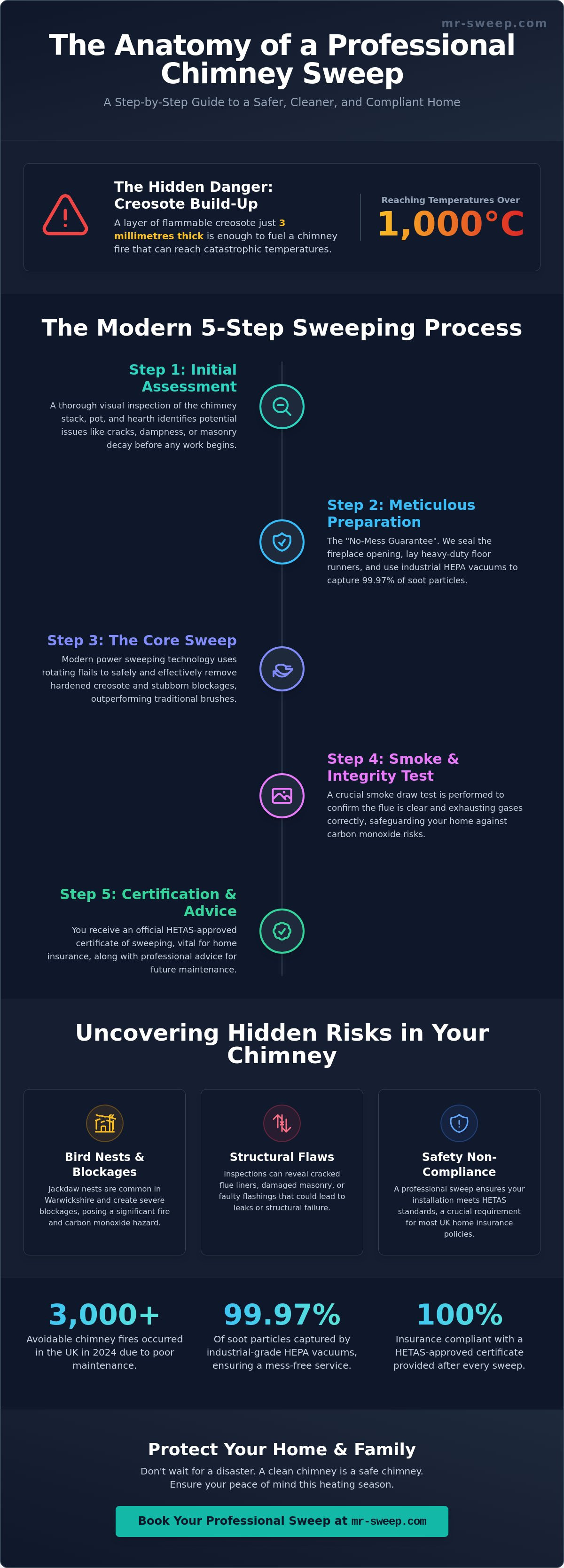
The history of chimney sweeping shows how the trade has evolved from basic manual labor to a technical discipline. Today, a HETAS-registered technician leads the workflow, using specialized tools to protect your home. The modern chimney sweeping process consists of five key stages:
- Assessment: A visual inspection and flue identification to check for cracks or dampness.
- Preparation: Covering the hearth and flooring with heavy-duty sheets to ensure a dust-free environment.
- Sweeping: Using power-sweeping technology or traditional brushes to strip away deposits.
- Inspection: Conducting a smoke draw test to confirm the flue is exhausting gases correctly.
- Certification: Issuing an official certificate of sweeping for your records and insurance.
Why "Just a Quick Brush" Isn’t Enough
Surface cleaning often fails to address the hardened layers of debris that cling to the flue liner. Professional sweeping focuses on deep creosote removal, which is vital for preventing chimney fires. Creosote is a highly flammable byproduct of wood burning. If these deposits aren't completely cleared, they can ignite at high temperatures. Furthermore, a thorough process is a requirement for home insurance validity. Most UK insurers, such as NFU Mutual or Allianz, require a certificate from a registered professional to honor fire-related claims.
HETAS Standards and Your Safety
HETAS registration is the gold standard for chimney safety in the UK. When a technician follows HETAS standards, they use approved tools and methods that prevent damage to the flue's internal surface. This level of expertise is essential because using an uncertified sweep carries significant legal and safety risks. According to UK fire statistics, over 3,000 avoidable chimney fires occurred in 2024 due to poor maintenance or incorrect sweeping methods. By choosing a certified professional, you ensure that your heating system operates efficiently and stays within the law.
Preparation and Initial Inspection: Setting the Stage for a Clean Sweep
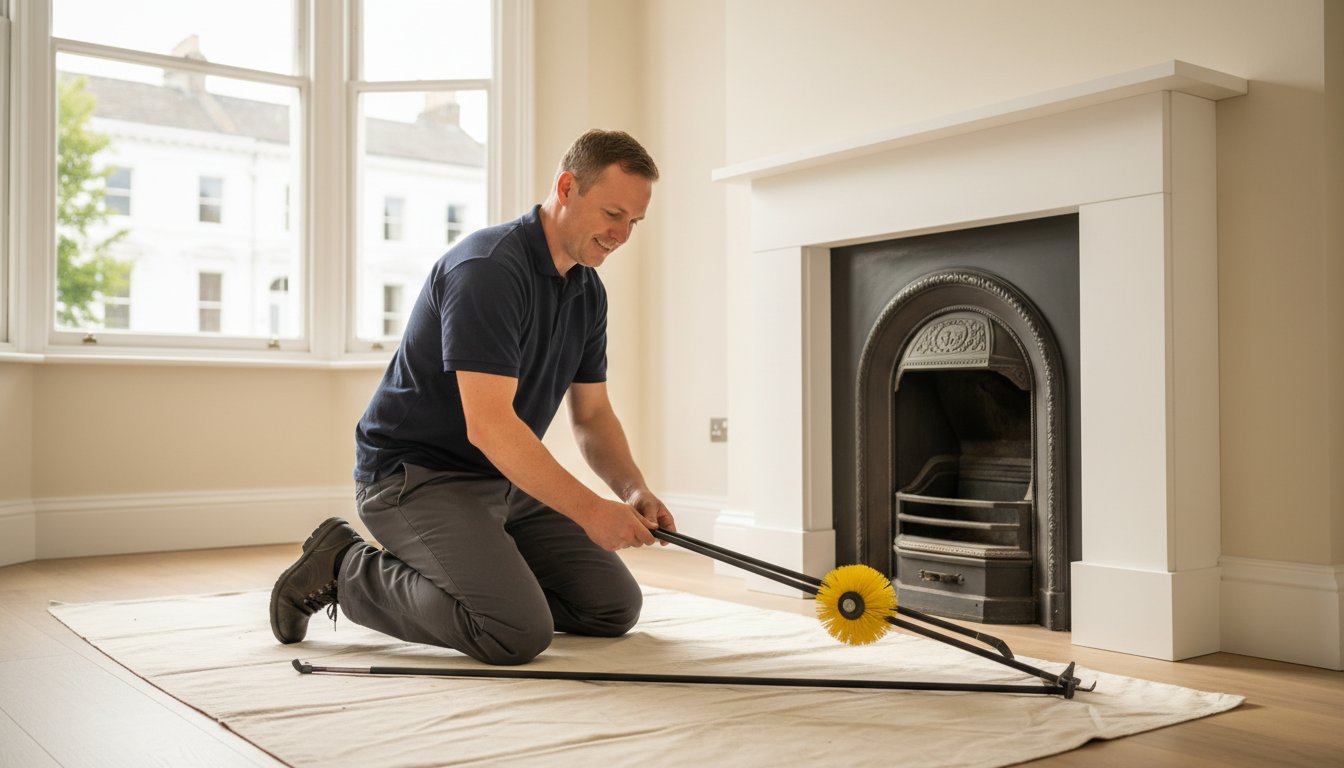
The chimney sweeping process starts long before a brush enters the flue. When Adrian arrives at your home in Leamington Spa or Warwick, the first priority is establishing a controlled environment. A professional sweep doesn't just show up and start scrubbing; they meticulously prepare the workspace to ensure your home remains spotless. You can assist this process by clearing a 2-meter radius around the hearth and ensuring the fire hasn't been lit for at least 24 hours before the appointment. This cooling period is vital for both safety and the effectiveness of the equipment.
The "No-Mess" Guarantee: Soot Containment
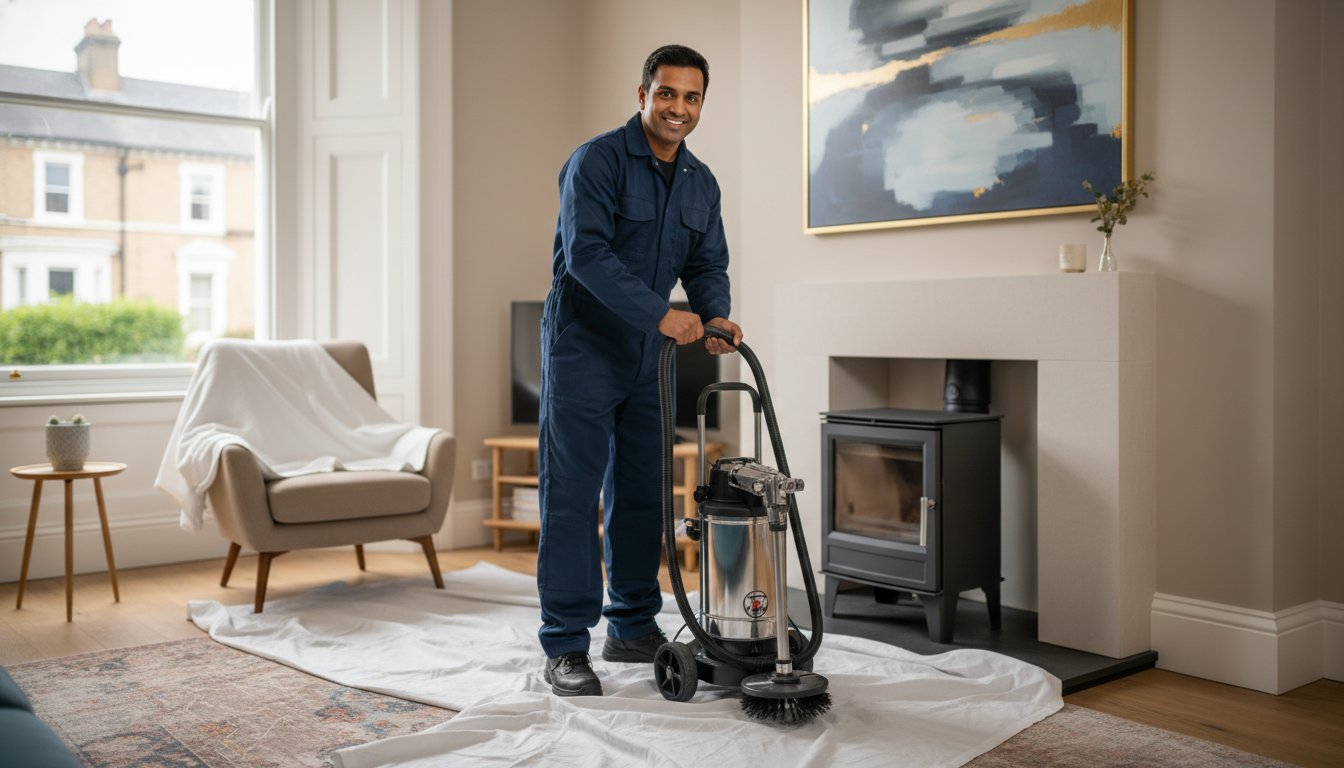
One of the biggest concerns for homeowners is the potential for soot escaping into the living room. To prevent this, we use industrial-grade HEPA (High-Efficiency Particulate Air) vacuums. these machines are designed to capture 99.97% of particles as small as 0.3 microns, ensuring that even the finest dust stays out of your air. Before any soot is disturbed, we seal the fireplace opening using specialized magnetic or taped sheets. We also lay down heavy-duty floor runners from the entrance of your home to the hearth. This double-layer protection prevents charcoal tracking and protects delicate carpets or hardwood floors from equipment impact.
Pre-Sweep Diagnostic Checks
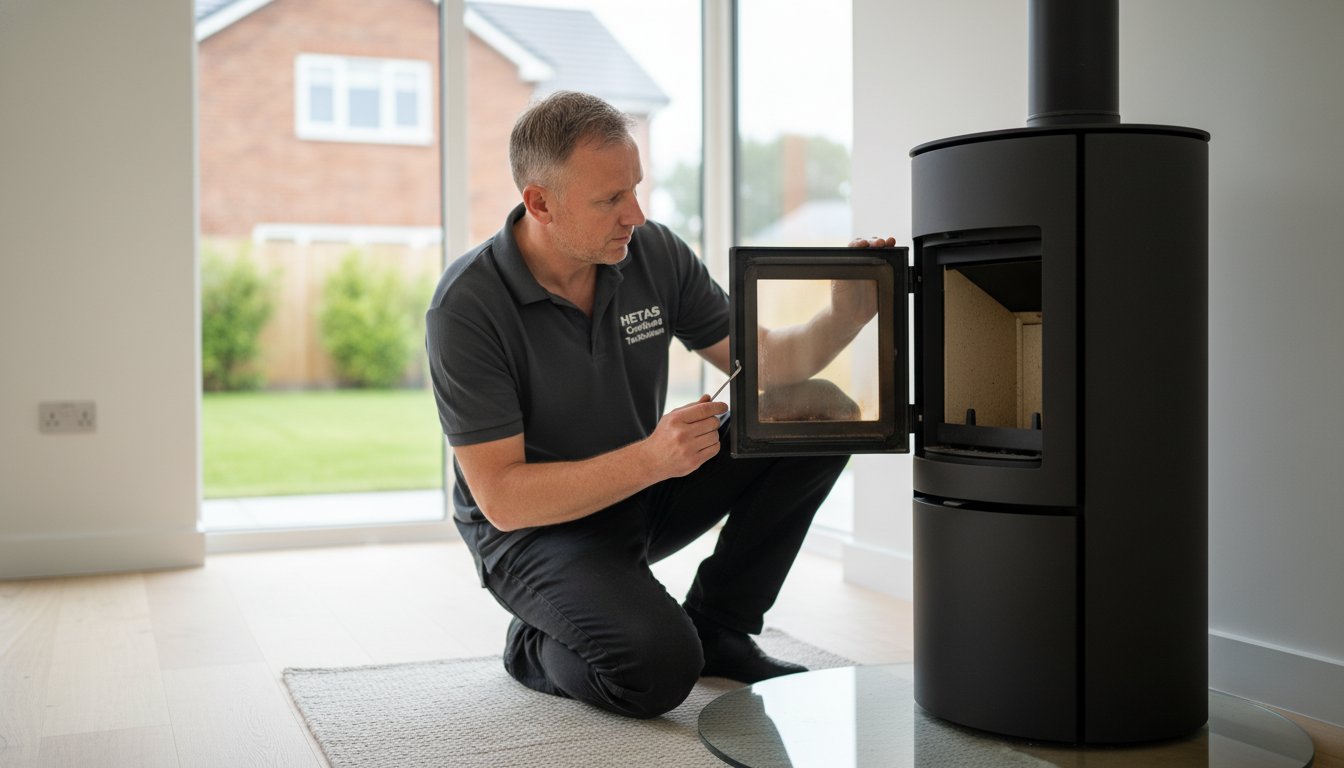
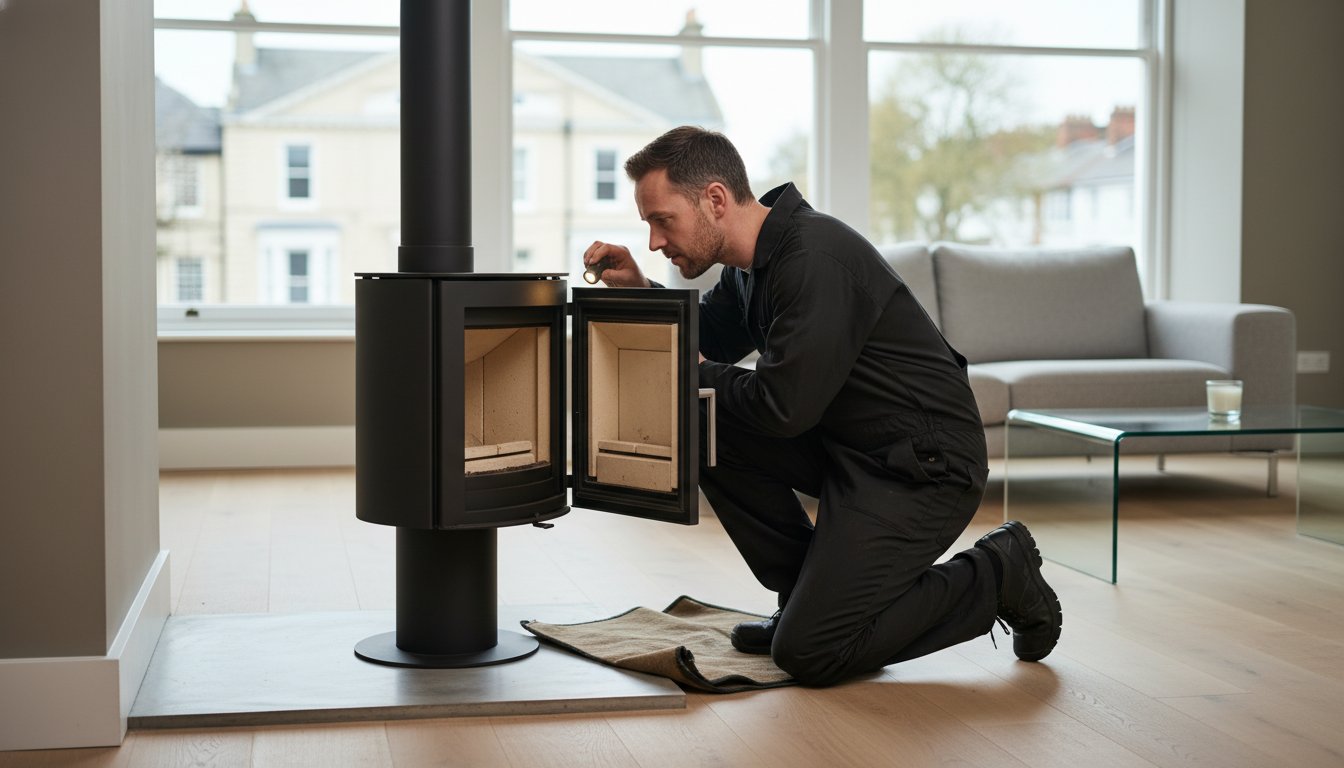
Before the physical cleaning begins, a thorough visual assessment identifies potential hazards that could lead to chimney fires or carbon monoxide leaks. Adrian examines the chimney stack and pot from the ground, looking for signs of masonry decay or lead flashing issues. We also check for the presence of a correct cowl or bird guard, which prevents debris and nesting birds from obstructing the airflow. Inside the home, we inspect the integrity of the hearth and the internal appliance.
If you have a wood burner, this stage involves checking the firebricks for cracks and ensuring the glass and rope seals are airtight. This is often the time when homeowners realize they might need wood burning stove repair leamington services to keep their appliance running at peak efficiency. Experts at the EPA suggest that an annual professional inspection is the most effective way to identify hidden structural risks before they become costly repairs. By identifying damp or structural cracks early, we ensure the chimney sweeping process is safe for your specific flue type.
If you haven't had your flue checked in the last 12 months, it's time to prioritize your home's safety. You can easily book your professional inspection today to ensure your fireplace is ready for the colder months.
The Core Sweeping Methods: Traditional vs. Modern Power Sweeping
A professional chimney sweeping process relies on selecting the right tools for the specific architecture of your home. In Warwickshire, where properties range from Victorian terraces to modern builds, a one-size-fits-all approach doesn't work. Our technicians evaluate the flue liner type and the level of soot accumulation before deciding between manual or mechanical methods. This assessment ensures the cleaning is thorough without risking the integrity of the chimney structure.
Traditional Brush and Rod Method
Manual sweeping remains a vital technique for older Warwickshire flues, particularly those with delicate pargeting or lime mortar. We use hand-pushed rods made of flexible polypropylene or nylon. These rods allow the sweep to feel the resistance of the chimney walls, ensuring they navigate tight bends without causing structural damage. While manual friction is slower than mechanical methods, it provides the precision needed for heritage chimneys. Following the standards set by the Guild of Master Chimney Sweeps, we match the brush head diameter exactly to the flue size. This ensures 100% surface contact to remove loose soot and debris effectively.
Rotary Power Sweeping Technology
Modern power sweeping uses high-speed, drill-powered rods to dislodge stubborn deposits. The brush heads feature specialized strands that expand using centrifugal force, adapting instantly to the shape of the flue. This method is significantly more effective at removing glazed creosote, a hardened form of tar that manual brushes often miss. Power sweeping reduces physical stress on the chimney because the rotation does the work, rather than aggressive vertical pulling. For homeowners with stainless steel liners, we use soft-tipped power brushes to prevent scratching the metal surface during the chimney sweeping process.
Cleanliness is a priority in every service. We use industrial HEPA-rated vacuums to maintain negative pressure within the fireplace opening. This creates a vacuum seal that pulls airborne dust into the filtration system before it can enter your living room. By combining this suction with physical agitation, we ensure the flue is clear while your home stays spotless. Our technicians choose from a range of brush heads, from stiff wire for masonry to soft nylon for twin-wall systems, ensuring the cleaning intensity matches the flue's durability. This technical precision is what separates a professional sweep from a DIY attempt.
The choice of equipment often depends on the fuel you burn. If you've been using unseasoned wood, you'll likely have a buildup of Stage 3 creosote. This requires the high-torque rotation of power sweeping to break the chemical bond between the tar and the flue wall. Conversely, a standard coal fire in an unlined chimney often responds best to the steady, rhythmic friction of traditional rods. We bring both sets of equipment to every job in Leamington Spa and Warwick, allowing us to adapt our strategy the moment we've completed the initial inspection.
Identifying Hidden Risks: Bird Nests, Blockages, and CCTV Surveys
Jackdaws are a common sight across Leamington Spa and Warwick, but for homeowners, they represent a significant structural hazard. These birds are notorious for building dense, vertical nests that can completely seal a flue. During the chimney sweeping process, a specialist identifies these blockages by the physical feedback from the rods. A springy, stubborn resistance usually indicates tightly packed twigs rather than standard soot buildup. You'll also notice a lack of debris falling into the hearth, which is a clear red flag that the passage is restricted.
Timing is critical when dealing with these obstructions. Under the Wildlife and Countryside Act 1981, it's illegal to remove or destroy a nest while it's in use. This means nest removal services are generally restricted between March and August. If you suspect an inhabitant in your chimney during the spring, you'll need to wait until the fledglings have left before work can begin. Planning your sweep for late summer or early autumn ensures you aren't caught out by these legal protections.
Removing Bird Nests and Obstructions
Clearing a Jackdaw nest is a labor-intensive extraction that goes far beyond a standard sweep. We use specialized heavy-duty nest hooks to break apart the structure and pull down debris, which can often fill three or four large bin bags. It's a messy, physical job that requires patience to ensure every last twig is removed. Partial clearance is a major safety risk. Even a small amount of leftover material can create a "shelf" where soot accumulates, leading to chimney fires or carbon monoxide poisoning. Once we've cleared the blockage, we always perform a Type 2 smoke test. This confirms the flue is drawing correctly and that the chimney sweeping process has fully restored the airway's integrity.
CCTV Chimney Surveys: Seeing the Unseen
Modern diagnostics have moved beyond simple guesswork. If you've recently moved into a period property in Warwickshire or have experienced a chimney fire, a camera inspection is essential. High-definition CCTV surveys allow us to see the internal condition of the flue in real-time. We look for cracked liners, loose masonry, or hidden voids that could leak dangerous fumes into your living spaces. Hiring a chimney sweep with CCTV capability is a smart investment. It identifies structural failures early, preventing the need for expensive, emergency reconstructions later. It provides the peace of mind that comes from knowing your chimney is structurally sound from the pot to the hearth.
Don't leave your home's safety to chance. Contact Mr. Sweep today to book a comprehensive chimney inspection and CCTV survey.
Post-Sweep Completion: Safety Certificates and Maintenance Advice
The chimney sweeping process doesn't end simply because the soot has been removed. A professional service concludes with a critical safety verification known as the smoke draw test. We ignite a specialized smoke pellet in the hearth to observe the upward flow. This test confirms that all combustion gases vent safely to the atmosphere rather than leaking back into your home. If the smoke doesn't rise quickly and cleanly, it indicates a pressure problem or a remaining obstruction that we must address before the fire is safe to use.
The Chimney Sweep Safety Certificate
Once the draw test is successful, we issue an official Chimney Sweep Safety Certificate. This document lists the date of the sweep, the specific brushes used, and any observations regarding the flue's integrity. It's a vital piece of paperwork for Leamington Spa and Warwick residents. Most UK insurance providers now demand a valid certificate to process claims related to chimney fires or carbon monoxide incidents. By hiring a certified chimney sweep uk, you're guaranteed a document that meets 2026 industry regulations and provides the legal protection your household needs.
Ongoing Maintenance Tips for Warwickshire Homeowners
Maintaining a clean chimney between professional visits depends heavily on your burning habits. We recommend only using "Ready to Burn" certified wood. This wood has a moisture content below 20%, which prevents the rapid buildup of flammable creosote. Burning wet wood or household waste is the fastest way to clog your flue and create a fire hazard. You should also check your carbon monoxide alarm monthly. These devices expire after five to seven years, so check the date on the back of the unit. For comprehensive advice on timing your bookings, refer to our guide on professional chimney sweeps to ensure your system is ready for the winter peak.
Scheduling your next visit depends on your fuel type:
- Smokeless Coal: At least once per year.
- Wood: Every six months when in regular use.
- Gas or Oil: Once per year to clear debris or bird nests.
Following this schedule ensures the chimney sweeping process remains a routine preventative measure rather than an emergency intervention. You'll enjoy a warmer home, lower fuel costs, and the peace of mind that comes from a job done right.
Secure Your Home for the 2026 Burning Season
Understanding the chimney sweeping process is the first step toward a safer, more efficient home in Leamington Spa and Warwick. By combining traditional expertise with modern power sweeping and CCTV inspections, you ensure that hidden blockages like bird nests and hazardous creosote are completely removed. A professional sweep doesn't just clear the flue; it provides the essential peace of mind that comes with a HETAS Registered Technician and a Full Safety Certification for your insurance and records.
Mr. Sweep prioritizes your property's cleanliness with a strict No-Mess Guarantee, so you won't have to deal with soot or dust in your living room. Regular maintenance is the most effective way to prevent chimney fires and carbon monoxide risks, keeping your household safe throughout the year. Every sweep is performed with precision and care to ensure your appliance operates at peak performance. Don't wait for a blockage to become a dangerous hazard. Book your professional chimney sweep with Adrian today and enjoy the comfort of a warm, worry-free fireplace tonight.
Frequently Asked Questions
How long does the chimney sweeping process usually take?
A standard chimney sweeping process typically takes between 45 and 90 minutes to complete. This timeframe allows our technicians to set up protective floor coverings, perform the sweep, and conduct a final safety check. If we encounter heavy creosote or a complex blockage, the work might extend to 120 minutes. We value your time and ensure the job is done efficiently without compromising on our high safety standards.
Will chimney sweeping make a mess in my living room?
No, a professional sweep leaves your home as clean as they found it. We use industrial grade HEPA filtered vacuums and heavy duty floor runners to contain every particle of soot. By sealing the fireplace opening before we begin, we ensure that dust stays inside the flue and doesn't enter your living space. You won't need to cover your furniture or worry about cleaning up after our team departs.
Do I need to be at home during the chimney sweeping process?
Yes, we require an adult to be present at the property for the duration of the visit. This ensures we have access to the fireplace and can discuss any safety findings with you immediately. Our team also needs to demonstrate that the appliance is working correctly before we finish. Most homeowners in Leamington Spa find that the 60 minute appointment fits easily into a morning or afternoon schedule.
Can I use my fireplace immediately after it has been swept?
You can light a fire as soon as our technician has issued your safety certificate and packed away the equipment. There's no waiting period required once the flue is clear and the smoke draw has been verified. In fact, you'll likely notice an immediate improvement in how your fire burns. Just ensure you've allowed the chimney to cool for at least 24 hours before our scheduled arrival.
What happens if the sweep finds a bird nest in my chimney?
If we discover a bird nest, we must remove it to prevent carbon monoxide poisoning and fire hazards. Under the Wildlife and Countryside Act 1981, we can only remove active nests outside of the nesting season, which typically runs from March to August. Once the nest is cleared, we use specialized cameras to ensure the flue is completely unobstructed. We will also recommend a bird guard installation to prevent future nesting.
Is a smoke test included as part of the standard sweeping process?
Yes, a Type 2 smoke draw test is a mandatory part of our professional chimney sweeping process. This test confirms that the flue is pulling air correctly and that combustion gases will exit your home safely. We perform this after every sweep to verify that no blockages remain. It provides you with the peace of mind that your fireplace is safe for the upcoming winter season.
How often should I have my chimney swept in Warwickshire?
You should have your chimney swept at least once every 12 months to comply with most home insurance policies and safety regulations. If you burn wood or coal daily during the winter, a bi-annual sweep is recommended to prevent dangerous creosote buildup. Regular maintenance reduces the risk of chimney fires, which accounted for over 3,000 incidents in England last year according to government fire statistics.
What is the difference between a sweep and a chimney inspection?
A sweep focuses on the physical removal of soot and debris, while an inspection is a detailed evaluation of the chimney's structural integrity. During a sweep, we clean the flue to ensure it's functional. An inspection often involves CCTV equipment to check for internal cracks, dampness, or lining failure. While every sweep includes a basic visual check, a full inspection provides a comprehensive report on the health of your entire stack.