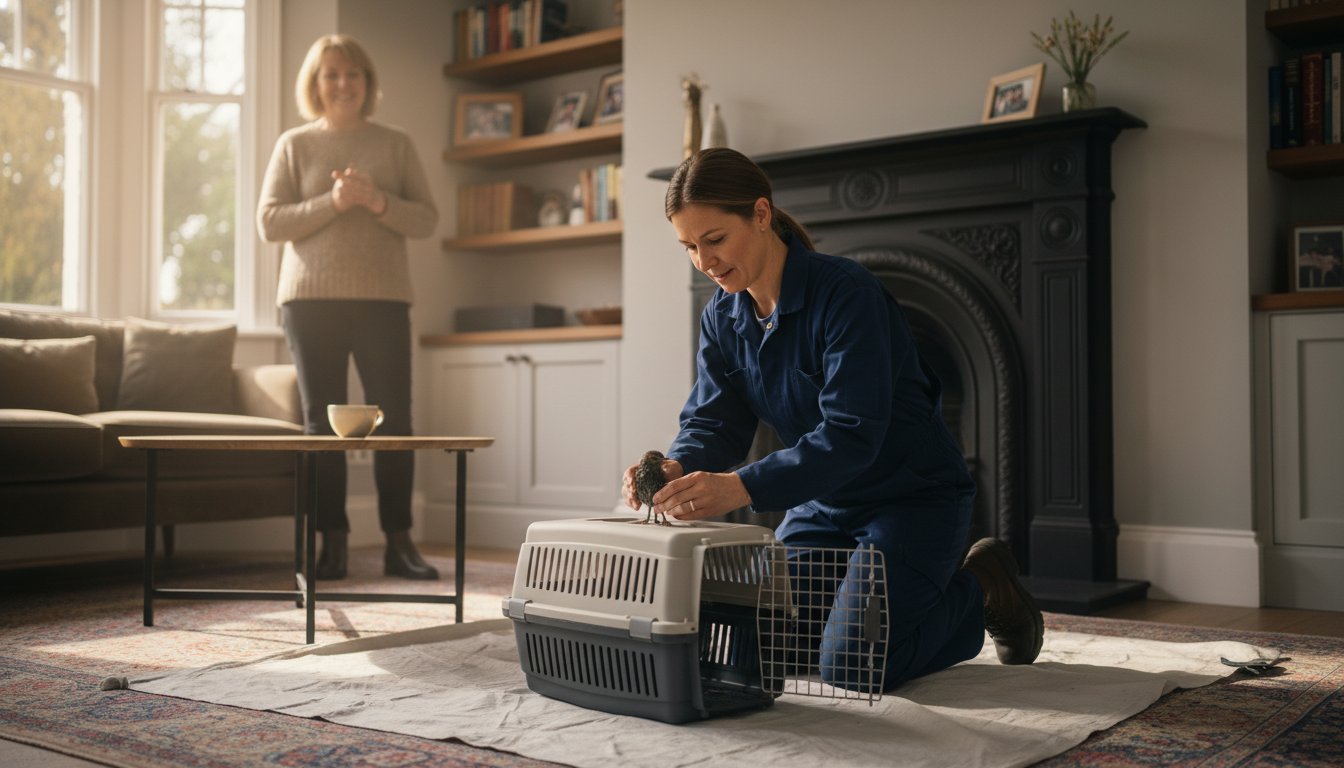
On a quiet Monday morning in Kenilworth, a local resident found a panicked starling fluttering behind their fireplace grate, a scenario that accounts for nearly 15% of emergency calls to local sweeps during the spring months. If you can hear scratching or frantic chirping, you're likely searching for a bird in chimney what to do guide to resolve the issue before soot ruins your carpet or the bird suffers. It's a stressful situation that requires a quick, expert response to keep your home clean and the animal safe.
You're probably worried about the bird's welfare while also dreading the prospect of debris, flies, or lingering smells if things go wrong. We'll show you the safe, legal, and effective steps to take for a successful rescue that aligns with the Wildlife and Countryside Act 1981. This article walks you through immediate actions, professional removal techniques, and the essential cowls you need to prevent future intruders from entering your Warwickshire home.
Key Takeaways
- Learn to identify the early warning signs of an avian intruder, from scratching sounds behind walls to soot debris falling onto your hearth.
- Understand your legal obligations under the Wildlife and Countryside Act 1981 to ensure any nest removal is handled safely and lawfully.
- Follow a clear, step-by-step guide on a bird in chimney what to do to protect your home and the animal during an emergency.
- Discover how a professional CCTV inspection can guarantee your flue is completely clear and safe for use following a rescue.
- Get expert guidance on selecting the right chimney cowl or bird guard to protect your Warwickshire property from future incursions.
Identifying the Signs of a Bird in Your Chimney
Discovering a bird has entered your flue is a common issue for Warwickshire residents, particularly those living in the period properties of Leamington Spa and Warwick. These birds often mistake the dark, warm vertical shafts of a chimney for the hollow trees they naturally inhabit. If you hear scratching sounds, persistent chirping, or the frantic fluttering of wings behind your chimney breast, you likely have an intruder. When you realize there is a bird in chimney what to do becomes the immediate priority to prevent distress to the animal and damage to your home.
Visual cues often follow the auditory ones. You might notice small piles of soot, loose mortar, or dried twigs falling onto your hearth or the top of your wood burner. In many cases, a single bird has simply lost its footing and fallen down the flue. However, if the debris includes a significant amount of sticks and happens between March and August, you're likely dealing with an established nesting site rather than a solitary trapped bird.
The Difference Between Open Fires and Wood Burners
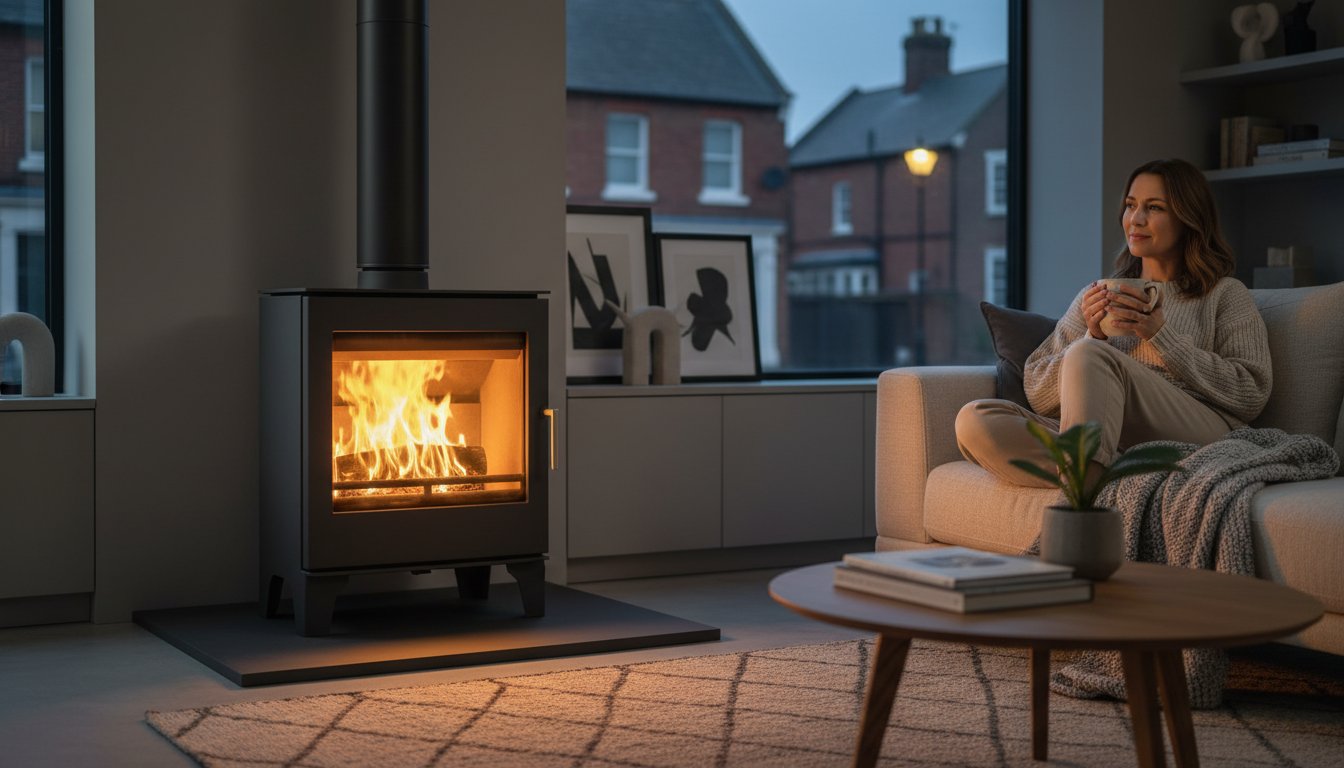
The type of appliance you have dictates how the bird behaves once it falls. In an open chimney, a bird often falls directly onto the hearth or flies into the room if the fire isn't lit. Modern wood-burning stoves are different. These units contain a baffle plate, a metal shelf designed to redirect heat. Birds frequently get trapped on top of this plate. They can't fly back up the narrow flue, and they can't get past the plate into the stove's firebox. If you have a gas fire, a trapped bird or a nest is a critical safety risk. Blockages prevent combustion gases from escaping, which can lead to a dangerous buildup of carbon monoxide in your living room.
Is it a Trapped Bird or a Nest?
Distinguishing between a temporary visitor and a permanent resident is vital for deciding your next steps. The Western jackdaw is the most frequent nester in UK chimneys. These birds are incredibly industrious and can fill a flue with several feet of twigs in just a few days. You can perform a soot fall test by cleaning your hearth and checking it again after 24 hours. If you find fresh twigs and large amounts of debris, it's a nest. Timing is a major factor here. Because wild birds are protected under the Wildlife and Countryside Act 1981, you cannot legally remove an active nest during the nesting season. Knowing the difference helps you understand if you need an immediate rescue or a scheduled nest removal once the fledglings have left.
If you're unsure about the sounds coming from your flue, don't wait for the problem to escalate. Identifying the signs early prevents soot damage to your carpets and ensures the safety of your heating system. When considering a bird in chimney what to do, professional assessment is the safest way to protect your home and follow local wildlife regulations.
Understanding the Legalities: The Wildlife and Countryside Act 1981
When you discover a bird has taken up residence in your flue, your first instinct might be to reach for a brush or a long pole. Don't. You must understand the legal framework before taking any action. The primary legislation governing this situation is the Wildlife and Countryside Act 1981. This law makes it a criminal offence to intentionally kill, injure, or take any wild bird. It also provides strict protection for active nests. If a bird is currently building a nest or sitting on eggs, you cannot legally remove that nest until the chicks have fledged and left the site naturally. Violating this act can lead to unlimited fines or even prosecution, so knowing the exact status of your chimney is vital for every homeowner.
If you're wondering about a bird in chimney what to do, the first step is identifying whether you're dealing with a trapped bird or an active nesting site. "Rescue" is permitted if a bird has accidentally fallen into the soot door or is trapped behind a register plate. However, "disturbance" of an established nest is a different matter entirely. You cannot simply clear the blockage because it's inconvenient. You have to wait for the natural cycle to complete, which typically concludes by late summer.
The Jackdaw Problem in Warwickshire
Homeowners in Leamington Spa and Warwick often face a specific challenge with Jackdaws. These intelligent corvids thrive in our local urban environments. They particularly love the deep, sheltered chimney stacks found on traditional Warwickshire properties built during the Victorian and Edwardian eras. Between March and August, Jackdaws engage in intensive nesting. They don't just build a small platform; they drop thousands of twigs into the flue until they create a solid vertical structure. These nests can sometimes reach several metres in length, blocking the flue entirely. This isn't just a nuisance; it's a serious fire hazard that prevents the escape of toxic combustion gases.
When Professional Intervention is Legally Required
Dealing with a suspected nest requires more than just a quick look up the chimney. A HETAS-registered technician provides the expertise needed to navigate these legalities safely. We use high-definition CCTV inspections to confirm if a nest is active, abandoned, or currently under construction. If the nest is confirmed as empty, we can proceed with a professional removal. If it's active, we'll provide a clear timeline for the legal waiting period. Attempting a DIY removal often leads to "illegal disturbance," where birds are injured or eggs are destroyed.
Professional documentation is also essential for your home insurance and safety records. If a bird dies within the flue, it creates a significant sanitation risk. Decomposing matter attracts blowflies and carpet beetles, which can quickly migrate into your home. To ensure your property remains safe and compliant with UK law, it is always best to book a professional chimney inspection as soon as you hear scratching or chirping. We ensure the job is done cleanly, legally, and without putting your household at risk.
Immediate Steps: What to Do If a Bird is Stuck Now
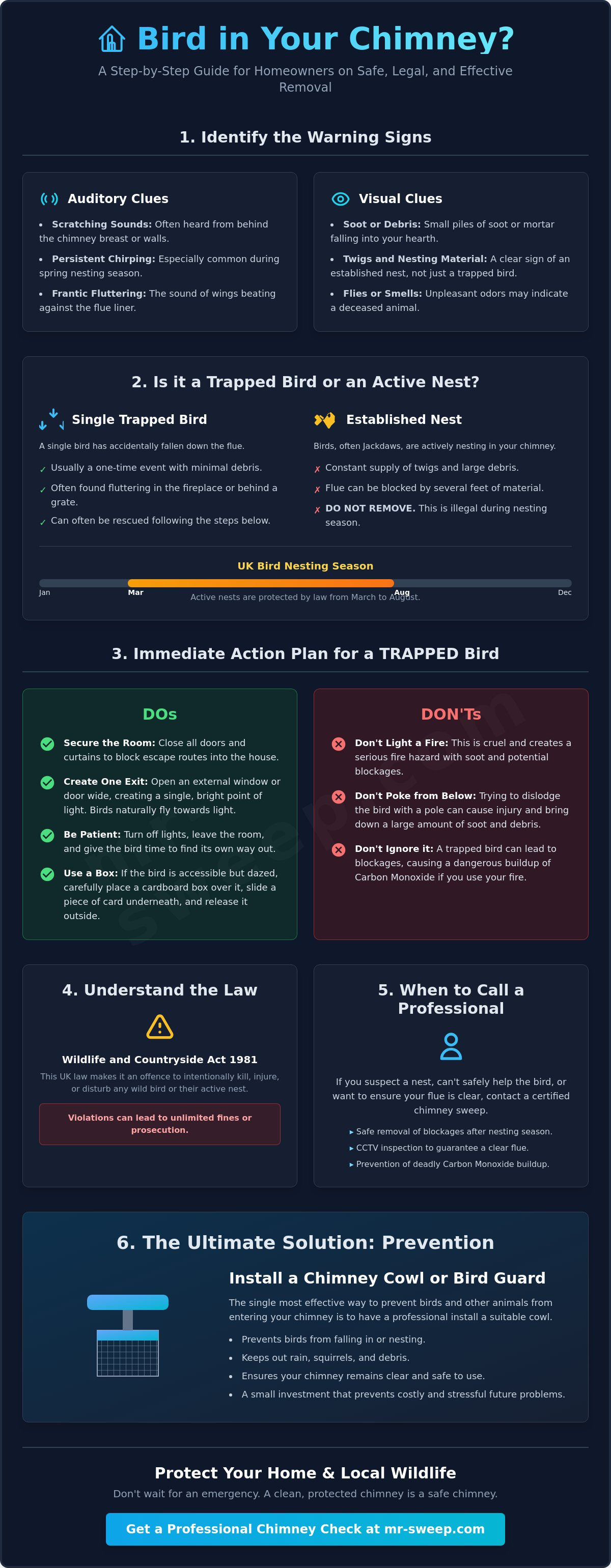
Hearing scratching or chirping inside your flue is stressful for any homeowner. You need to act quickly to ensure the safety of your property and the animal. If you are currently facing this issue and need to know about a bird in chimney what to do, follow these five immediate steps to manage the situation professionally.
- Extinguish all fires immediately: If you have a live fire, put it out carefully. For those with gas appliances, turn them off at the isolation valve. Heat and carbon monoxide are lethal to the bird and can cause it to panic, which often results in soot being dislodged into your living space.
- Seal the fireplace opening: Use a heavy sheet, a large towel, or a piece of cardboard taped securely across the front of the fire opening. This prevents the bird from flying into the room and contains any soot or debris.
- Create a light lure: Birds are naturally drawn to light when they are in dark spaces. Close the curtains in the room to make it dark, then place a small, safe lamp or a bright torch inside the fireplace grate. This encourages the bird to drop down toward the light source.
- Maintain a quiet environment: Keep pets and children away from the room. High noise levels and vibrations increase the bird's stress, making it more likely to retreat higher into the chimney rather than coming down.
- Contact a specialist: If the bird hasn't emerged within 2 to 3 hours, you need professional assistance. A qualified chimney sweep has the specific CCTV cameras and retrieval tools to remove the bird without damaging your flue lining.
What NOT to Do (The Dangerous Mistakes)
Never light a fire to "smoke out" a bird. This is a common but dangerous mistake that leads to animal cruelty and significantly increases your house fire risk. Avoid reaching up the flue with broom handles or garden tools. You risk injuring the bird or wedging it deeper into the masonry, which makes professional removal much harder. Never use a vacuum cleaner to try and "suck" a bird out. This is almost always fatal for the creature and creates a significant mess in your home.
Helping a Bird That Has Reached the Room
If the bird manages to enter your living room, stay calm and move slowly. Close all internal doors to keep it contained in one area. Open all external windows and doors as wide as possible to provide a clear exit path. RSPCA guidance on trapped birds suggests that you should dim the lights to help the bird find the natural light of the exit. If the bird is exhausted and grounded, use a large, clean towel to gently drape over it before placing it in a cardboard box. For birds that appear injured or unable to fly, contact the RSPCA or a local Warwickshire wildlife rehabilitator. Knowing exactly bird in chimney what to do ensures a clean, safe resolution for your home and the wildlife involved.
Professional Removal and Post-Rescue Maintenance
When you discover a live animal trapped in your flue, knowing exactly bird in chimney what to do becomes a matter of safety for both the bird and your household. Attempting a DIY rescue often leads to significant soot damage in your living room or unnecessary injury to the bird. Professional chimney sweeps use specialised equipment to ensure a controlled, clean extraction that protects your property and the animal.
Clearing the Blockage Safely
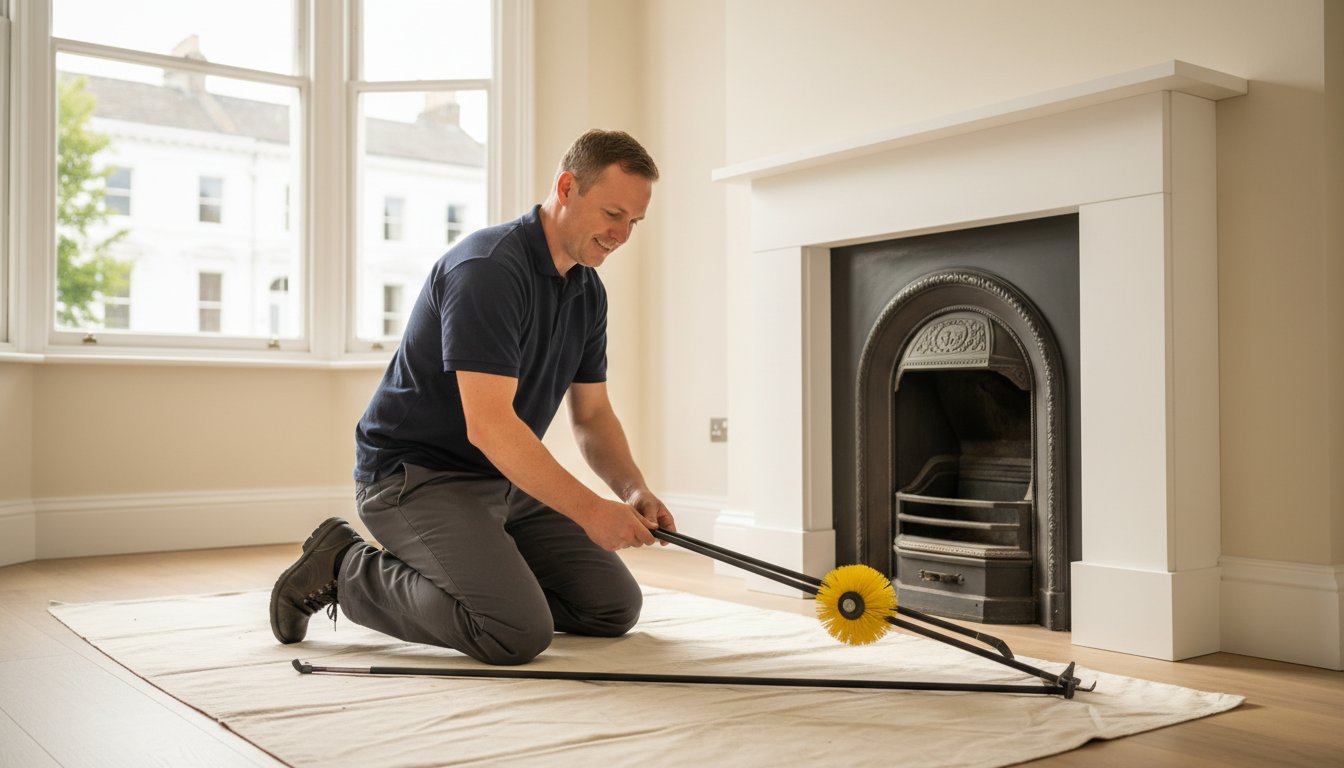
We use industrial-grade brushes and HEPA-filtered vacuums to provide a clean sweep guarantee. This process isn't just about the bird; it's about the debris they leave behind. If a bird has been nesting, you'll likely require a professional bird nest removal in Warwickshire to clear twigs, feathers, and droppings. These materials are highly flammable and can cause dangerous chimney fires if ignored. We ensure the flue is 100% clear before you light your next fire, preventing smoke blowback and carbon monoxide risks.
The Value of a Camera Survey
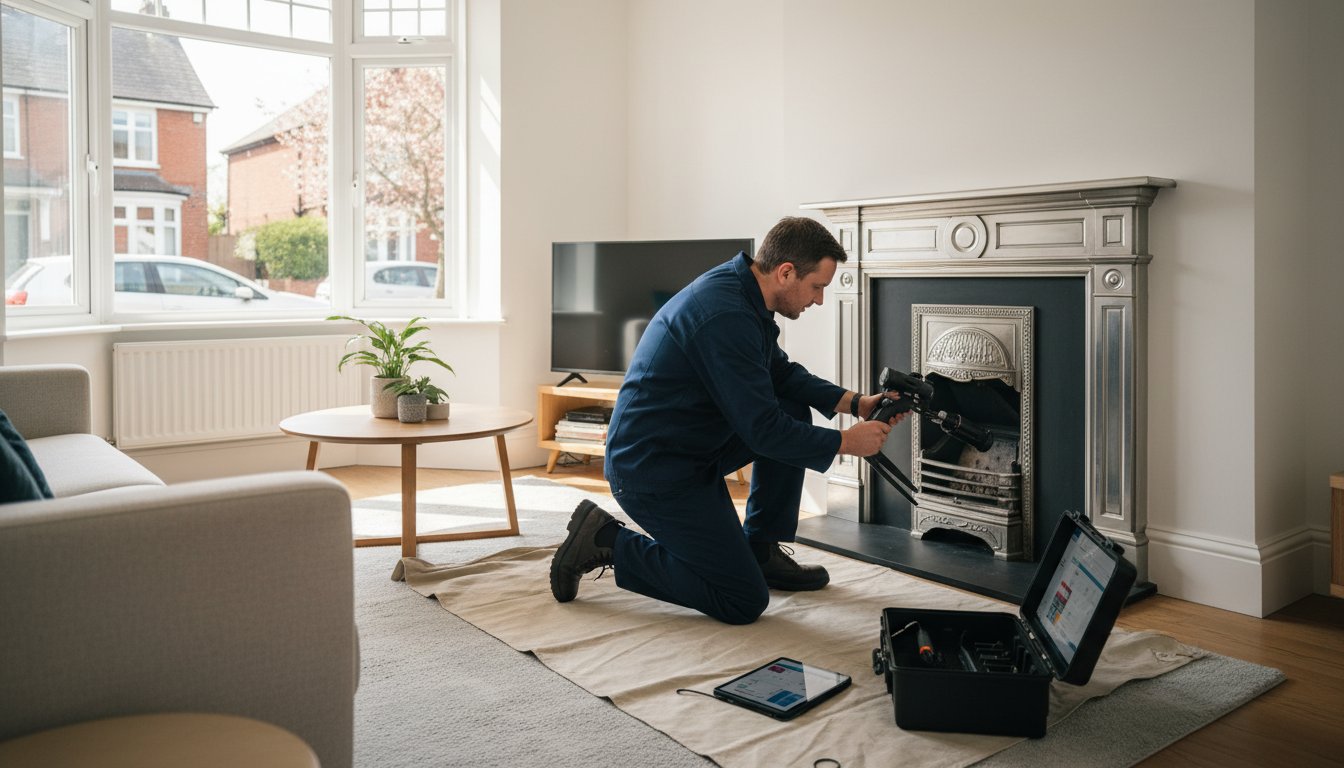
Visual checks from the hearth aren't enough to confirm a chimney's integrity after an animal has been trapped. We utilise high-definition chimney camera surveys in Warwickshire to inspect the entire length of the flue. This technology allows us to find hidden debris or secondary nests that standard brushes might miss. A detailed CCTV chimney inspection in Leamington Spa is essential for identifying structural cracks or dislodged liners caused by nesting activity. Providing this evidence is often a requirement for insurance providers should you need to make a claim for masonry repairs.
After the bird is gone, sanitisation is the final, vital step. Nesting sites attract parasites, bird mites, and flies. Decaying organic matter also creates unpleasant smells that permeate your home during warmer weather. We remove all traces of nesting material and apply professional-grade sanitisers to the flue. This eliminates bacteria and prevents pest infestations from taking root in your masonry. Our goal is to return your home to a state of total safety and cleanliness, leaving no trace of the incident behind.
Preventing Future Bird Incursions in Your Home
Once you have dealt with the immediate stress of a trapped animal, the question of a bird in chimney what to do becomes a matter of long-term prevention. Jackdaws and starlings are creatures of habit. If they find a chimney they like, they will return every spring to rebuild. Without a physical barrier, your flue remains a prime target for nesting material that can completely block the passage of dangerous gases like carbon monoxide.
Warwickshire homeowners need to consider the specific architecture of their property when choosing a solution. Whether you live in a Victorian terrace in Leamington or a modern detached home in Warwick, the goal is the same: creating a secure, breathable seal at the top of the stack.
Choosing and Installing a Chimney Cowl
There is a significant difference between a standard rain cap and a dedicated bird guard. A rain cap prevents water ingress but often has gaps large enough for a small bird to squeeze through. For total security, you need a cowl fitted with high-grade stainless steel mesh. This mesh is designed to be small enough to stop birds while remaining wide enough to allow soot and smoke to escape freely.
It's vital to ensure any cowl you choose is HETAS-compliant. An incorrectly fitted or non-compliant guard can restrict the "draw" of your fireplace, leading to poor combustion and smoke leaking into your room. A professional installation doesn't just stop wildlife; it can actually improve your fireplace efficiency. By regulating the airflow and reducing downdraughts, a quality cowl helps your fuel burn more consistently, potentially saving you money on wood or coal over the winter months.
The MR-SWEEP Safety Checklist
Effective prevention relies on a consistent maintenance schedule. You shouldn't wait for a problem to arise before calling in a professional. Knowing the basics of a bird in chimney what to do is helpful, but a proactive approach is always safer for your family and the birds.
- Annual Sweeping: Schedule professional chimney sweeping in Leamington Spa at least once every 12 months for wood burners and open fires.
- Pre-Winter Inspections: Book your inspection in August or September. This allows us to catch any early nesting attempts or debris before you light your first fire of the season.
- Visual Pot Checks: Use binoculars to check your chimney pot from the ground. Look for loose mortar or cracks that might allow birds to gain a foothold.
- Stay Compliant: Ensure your bird guard is clear of debris. Over time, soot can build up on the mesh, which restricts ventilation.
If you're unsure which type of guard is right for your chimney, contact Adrian for expert local advice. We provide clean, methodical, and professional service throughout the region. We'll make sure your flue is clear, protected, and ready for the cold months ahead, giving you total peace of mind.
Protect Your Warwickshire Home and Restore Flue Safety
Knowing bird in chimney what to do protects your property and ensures you stay on the right side of the Wildlife and Countryside Act 1981. Swift action prevents dangerous blockages that cause carbon monoxide buildup or chimney fires. You've learned how to spot the signs of an intruder and why professional intervention is the only way to guarantee a clear, safe flue for the winter months ahead. It's vital to address these issues before they escalate into costly repairs.
As a local expert serving Leamington Spa and Warwick, I don't just guess what's blocking your heat. I use specialist CCTV diagnostic equipment to provide a clear view of your chimney's condition. Every inspection and removal is carried out by a HETAS-registered technician, so you can trust the job's done right the first time. It's about more than just clearing a nest; it's about the long-term safety and efficiency of your heating system.
Don't leave your home's safety to chance. Book your professional bird nest removal or chimney inspection with MR-SWEEP today. You'll enjoy the peace of mind that comes with a clean, secure, and fully functional fireplace.
Frequently Asked Questions
How long can a bird survive trapped in a chimney?
A bird can typically survive for 48 to 72 hours without water or food when trapped inside a chimney flue. Their survival time depends heavily on the ambient temperature and the bird's stress levels. If you hear scratching or chirping, you need to act quickly to ensure a live rescue. Dehydration is the primary cause of death in these confined, dusty spaces.
Is it illegal to remove a bird nest from a chimney in the UK?
It's illegal to remove or destroy an active bird nest under the Wildlife and Countryside Act 1981. This legislation protects all wild birds while they're nesting or building a nest, which usually occurs between March and August. You must wait until the fledglings have left the nest before a professional sweep can clear the blockage. Breaking this law can result in unlimited fines or prison sentences.
Can I use my fireplace if I suspect a bird is in the chimney?
You must never light a fire if you suspect a bird or a nest is in the chimney. Lighting a fire can lead to carbon monoxide poisoning because the bird or its nesting material blocks the essential ventilation of the flue. It's also an act of animal cruelty under the Animal Welfare Act 2006. If you're wondering about a bird in chimney what to do, the first step is to keep the fireplace off.
What kind of bird is most likely in my Warwickshire chimney?
Jackdaws are responsible for approximately 90% of chimney nests in Warwickshire and the wider West Midlands. These members of the crow family are notorious for dropping sticks down flues to build deep, sturdy platforms for their young. You might also encounter Starlings or Sparrows, but the Jackdaw's persistence and large nest volume make them the primary concern for local homeowners during the spring nesting season.
How much does it cost to have a bird professionally removed?
Professional bird removal and nest clearance in the UK typically costs between £80 and £160 depending on the complexity of the blockage. This price often includes a CCTV inspection to ensure the flue is entirely clear before you use the fire again. While basic chimney sweeping is cheaper, removing a compacted Jackdaw nest requires specialized tools and can take several hours of labor to complete safely.
Will a dead bird in the chimney cause a smell or health risk?
A dead bird in your chimney will cause foul odors and attract pests like bluebottle flies, maggots, or carpet beetles. Decomposing remains can also harbor bacteria and parasites that pose a respiratory health risk to your household. If a bird dies in the flue, it's vital to have it professionally removed and the area sanitized to prevent infestations from spreading into your living spaces.
How do I stop birds from falling down my chimney permanently?
Installing a bird guard or a cowl that complies with BS EN 16475-7 is the only permanent way to stop birds from entering your chimney. These stainless steel or ceramic caps allow smoke to escape while blocking access to avian visitors. We recommend choosing a mesh size of 25mm to effectively exclude Jackdaws without restricting the essential airflow required for your heating appliance to function safely.
What should I do if a bird is stuck behind a gas fire?
You should immediately turn off the gas supply and contact a Gas Safe registered engineer if a bird is stuck behind a gas fire. Don't attempt to dismantle the fire yourself, as this can lead to dangerous gas leaks or damage to the unit. Once the engineer safely removes the fire appliance, a chimney sweep can extract the bird and advise on a bird in chimney what to do to prevent a recurrence.