Could you spot a life-threatening danger if it had no smell, no colour, and no sound? According to the Office for National Statistics, over 60 people die every year in England and Wales from accidental carbon monoxide poisoning, often due to faulty or poorly maintained heating appliances. You want your Leamington Spa home to be a warm sanctuary, yet it's natural to feel uneasy about an invisible carbon monoxide fireplace risk that your senses simply cannot detect. We understand that the safety of your Warwickshire family is your absolute priority, and you deserve the peace of mind that comes with a clear, safe chimney.
In this guide, we provide the expert knowledge you need to identify, prevent, and eliminate these hidden dangers for good. You'll learn the specific physical symptoms to watch for, the correct locations for alarm placement, and a professional safety checklist to ensure your flue remains unobstructed. By following these precise steps, you can enjoy your fireplace with total confidence, knowing your home is protected by professional standards and proven safety protocols.
Key Takeaways
- Understand why Leamington Spa’s period properties are uniquely vulnerable to the carbon monoxide fireplace risk and how to recognise early warning signs.
- Learn to identify the subtle visual cues and physical symptoms of CO poisoning to protect your Warwickshire family from this "silent killer".
- Discover how common seasonal issues, like jackdaw nests and faulty seals, can dangerously obstruct your chimney’s draught.
- Master five essential safety steps, from installing audible alarms to scheduling professional annual sweeps for a clear flue.
- Explore how advanced CCTV inspections and HETAS-registered expertise provide the ultimate peace of mind for your home’s safety.
Understanding Carbon Monoxide Fireplace Risk in Warwickshire
Carbon monoxide (CO) is a colourless, odourless, and tasteless gas produced during the incomplete combustion of fuels like wood, coal, or gas. Because it's impossible to detect with human senses, Understanding Carbon Monoxide is the first step toward keeping your household safe. Managing the carbon monoxide fireplace risk in Leamington Spa requires a clear understanding of how older properties function compared to modern installations.
Leamington Spa is famous for its Regency and Victorian architecture, but these period homes present specific challenges. In these properties, fireplaces were often the primary heat source, and the original masonry flues were not designed for the concentrated heat of modern wood burners. A properly functioning flue creates a natural draft, pulling combustion gases safely up and out of the building. If this path is obstructed by soot, bird nests, or structural collapse, those gases spill back into the living area.
While modern eco-design stoves are significantly more efficient than traditional open hearths, they aren't immune to danger. An open fire might lose 80% of its heat up the chimney, whereas a stove retains that heat for the room. However, this increased efficiency relies on precise airflow. Any disruption to that balance can lead to a carbon monoxide fireplace risk that puts your family in danger.
The Science of Incomplete Combustion
Fire requires a consistent supply of oxygen to burn cleanly. When oxygen is restricted, the combustion process fails to finish, resulting in CO instead of CO2. Many homeowners attempt to save money by "slumbering" their fire; this involves turning the air vents down to make the fuel last overnight. This practice is dangerous because it leads to cooler, smouldering fires that produce high levels of toxic gas. Choosing the "Best Fuel for Wood Burner UK" standards, such as kiln-dried logs with a moisture content below 20%, ensures a hotter, cleaner burn that reduces the likelihood of gas buildup.
Local Housing and Flue Dynamics
The structural layout of Warwickshire homes dictates how gases behave. In a Victorian terrace in Leamington, the chimney stack might serve multiple rooms or even neighbouring properties. Over time, the lime mortar in these 150-year-old flues degrades, potentially allowing CO to leak into bedrooms through cracks in the masonry. In contrast, modern detached homes in Warwick often face issues with pressure differentials. These houses are built to be airtight for energy efficiency. When a powerful kitchen extractor fan is turned on, it can actually pull air down the chimney, bringing fireplace exhaust into the home. Regular professional inspections are the only way to ensure your flue is structurally sound and drawing correctly.
Identifying the "Silent Killer": Symptoms and Warning Signs
Carbon monoxide (CO) is frequently called the "silent killer" because it's impossible to see, smell, or taste. In Leamington Spa, the carbon monoxide fireplace risk increases significantly during the first cold snap of the year. This usually occurs in late October or early November when temperatures first drop below 5 degrees Celsius. Many homeowners light their fires for the first time in six months without realising that birds' nests, cobwebs, or masonry debris have blocked the flue over the summer. This prevents toxic gases from escaping, forcing them back into your living space.
The danger is often compounded by the "flu-like" misconception. Because early CO poisoning mimics the symptoms of a common winter bug, people often ignore the warning signs until it's too late. If your symptoms feel better when you leave the house and return when you're back by the hearth, it's likely not a virus; it's your environment.
Physical Symptoms to Monitor
Recognising the physical impact of CO is your first line of defence. You should stay alert for the "big three" indicators: persistent headaches, dizziness, and nausea. Unlike a typical cold, these symptoms won't usually include a fever. You might also experience sudden confusion, exhaustion, or breathlessness while the fire is burning. It's essential to understand the symptoms of CO poisoning to protect your household. Children and pets are particularly vulnerable. They'll often show signs of lethargy or distress much faster than adults due to their smaller lung capacity and faster metabolic rates.
This heightened vulnerability is also a significant concern for older adults, who may have pre-existing conditions that are exacerbated by CO exposure. Ensuring a safe home environment is a cornerstone of elderly care, a service expertly provided by organizations such as Cocoon Senior Services.
This focus on family wellbeing is especially heightened for expectant parents seeking reassurance. Specialist clinics like Scan Baby Ltd provide this peace of mind, with a helpful guide available from scanbaby.co.uk for those in the Mansfield area.
Beyond recognizing specific environmental risks like CO, having a go-to medical professional for unexplained symptoms is a cornerstone of family safety. Establishing a relationship with a primary care provider ensures you have someone to turn to when you feel unwell. For those interested in learning more about finding the right healthcare fit, you can check out Sage Creek Medical Center for a helpful guide.
Visual Warning Signs on Your Hearth
Your fireplace will often show physical evidence of a problem before the CO levels become critical. You don't need to be a technician to spot these red flags during your daily routine:
- Soot staining: Look for dark brown or black stains on the brickwork, the fireplace surround, or the wall directly above the mantle.
- Unusual condensation: If the windows in the room where the fire is burning are heavily misted or dripping with water, it suggests the combustion gases aren't venting properly.
- Flame colour: A healthy gas fire should burn with a crisp, vibrant flame. A "lazy" yellow or orange flame is a classic sign of incomplete combustion and high CO production.
If you notice any of these visual cues or feel unwell while the fire is lit, open the windows and extinguish the heat source immediately. Scheduling a safety check with a qualified chimney sweep is the most effective way to ensure your flue is clear and your home remains safe throughout the winter months. Don't wait for a formal alarm to go off if your body or your fireplace is already sending you warning signals.
Common Causes of CO Leaks: From Bird Nests to Faulty Seals
A blocked flue is the most frequent catalyst for domestic gas poisoning. When your chimney is obstructed, the natural draft that pulls air upwards fails. This causes toxic gases to spill back into your home. Understanding the carbon monoxide fireplace risk starts with identifying what stops that airflow. The dangers of carbon monoxide are significant because the gas is invisible and odourless; without a clear path out, your fireplace becomes a hazard rather than a heat source.
Structural issues also play a major role in gas containment. A heavy creosote in chimney buildup is more than just a fire risk. As creosote expands and hardens into a glaze, it can reduce the internal diameter of your flue by 20% or more. This restriction slows down the exit of combustion byproducts, increasing the likelihood of CO seeping through small gaps in the chimney masonry or stove pipe joins.
The Jackdaw Problem in Leamington Spa
In Leamington Spa and across Warwickshire, jackdaws are a primary cause of total flue blockages. These birds are incredibly industrious, often nesting between March and July. A single nest can consist of enough twigs, mud, and sheep wool to fill a 240-litre wheelie bin. If you don't use your fire during the summer, you might be unaware that your chimney has been turned into a high-rise apartment for birds.
Professional nest removal is essential before your first autumn fire. You can often tell a nest is present if you see twigs falling into the grate or notice birds frequently landing on your chimney pot. Lighting a fire under a jackdaw nest is dangerous; it creates an immediate blockage that forces 100% of the smoke and CO back into your room within seconds.
Stove Maintenance and Gas Containment
The integrity of your appliance is just as vital as the clarity of the flue. Cracked firebricks are a common issue. While they might seem minor, they lead to uneven heating and can eventually cause the stove body to warp or crack. Once the outer shell of a stove is compromised, there's no longer a sealed environment for combustion.
The door rope seal is another critical component that homeowners often overlook. These glass fibre ropes perish over time, becoming brittle and losing their ability to create an airtight seal. If you can easily slide a piece of paper between the door and the stove body when it's closed, the seal has failed. This is why regular wood burning stove repair leamington is a safety requirement. Maintaining these components ensures that gases are directed exactly where they belong: up the chimney and out of your home.
- Rope Seals: Replace every 12 to 24 months to maintain a gas-tight fit.
- Firebricks: Inspect for cracks wider than 5mm or any signs of crumbling.
- Baffle Plates: Ensure they aren't warped, as this disrupts the flow of gases into the flue.
5 Essential Steps to Protect Your Home from Carbon Monoxide
Reducing the carbon monoxide fireplace risk in your Leamington Spa home requires a proactive strategy. You can't see, taste, or smell this gas, so your safety relies on high-quality equipment and disciplined maintenance habits. Following these five steps ensures your heating system remains a source of comfort rather than a hazard, but it's wise to consider all aspects of your home's air quality.
For example, mould is another common household hazard that can impact health silently. While this guide focuses on CO, if you're exploring broader home safety topics, you can visit ABC Mould Cleaning Solutions for insights into professional mould remediation.
Similarly, when assessing a property for all potential invisible toxins, including chemical residues that can linger undetected, Methamphetamine Testing Services NZ Limited provides professional screening services that ensure a safe and healthy environment for families.
This focus on quality equipment for safety and enjoyment extends to outdoor spaces as well. For those passionate about cooking outdoors, you can visit Tools & Grill to explore a range of high-quality barbecue experiences from a leading European specialist.
CO Alarm Best Practices
You need an audible carbon monoxide alarm on every floor of your property. Place these units between 1 and 3 metres from your stove or fireplace to ensure accurate detection. Avoid relying on "black spot" indicator cards. These stickers only change colour after the gas is present; they won't sound an alert to wake you during the night. Establish a monthly "Press to Test" habit to ensure the internal circuitry and batteries are functional. Most modern sensors expire after 7 or 10 years, so check the manufacture date on the casing today.
Fuel Quality and Combustion
Burning unseasoned or "wet" wood is a major safety hazard. When wood moisture exceeds 20 percent, the fire doesn't reach the temperatures required for complete combustion. This creates heavy smoke and increases the carbon monoxide fireplace risk significantly. Always verify your logs meet the "Ready to Burn" standard. This UK certification guarantees the fuel is dry enough for safe use. You can find more advice on selecting high-quality logs in our guide on the best fuel for wood burner uk.
- Annual Professional Sweeping: Schedule a sweep every 12 months to remove soot, creosote, and bird nests that block the exit of toxic gases.
- Ventilation Maintenance: Air bricks and vents provide the oxygen your fire needs to breathe. Never cover them with furniture or carpets.
- Pre-Winter Inspections: Before the first cold snap of the season, go through a full fireplace maintenance checklist to identify perished seals or cracks.
- Consistent Airflow: Ensure your chimney has a strong upward draught. If smoke enters the room when lighting a fire, extinguish it immediately and call a professional.
A starved fire is a dangerous fire. If your living room feels stuffy or the flames look lazy and orange, your appliance might be struggling for oxygen. This environment is where CO production peaks. Keeping your ventilation clear and your flue clean are the two most effective ways to prevent gas buildup in your home.
Similarly, for homeowners considering upgrading their entire heating system to a more modern, efficient solution, exploring options like heat pumps can be a step towards enhancing overall safety. HVAC specialists such as Crome Mechanical offer comprehensive services that present an alternative to traditional combustion-based heating.
For those in the Edmonton area, Zee Jay Mechanical provides professional HVAC services to ensure that all types of residential heating systems, including furnaces and ventilation, are operating safely and efficiently to minimize risk.
Selecting the most appropriate heating technology is also a key safety consideration; Parallel Plumbing and Heating provides a detailed guide on the various types of boilers available to ensure your home’s system is both efficient and secure.
In addition to heating, modern cooling and ventilation play a significant role in maintaining a safe indoor environment; RMI Heating and Air Conditioning provides a complete guide for homeowners looking to understand the installation of these critical systems.
This commitment to professional maintenance extends beyond just heating. Having a reliable 24/7 service for all critical home systems, including plumbing and HVAC, is a key part of a comprehensive safety plan. For example, companies like High Pressure Mechanical offer around-the-clock support, showing the value of expert help being available whenever an issue arises.
For homeowners in the Phoenix Metro Area, finding a trusted partner for residential systems is equally important; Sweet Dreams Plumbing provides professional services that ensure your home's infrastructure remains in peak condition.
Likewise, for those located in Placer County, Christensen Heating and Cooling provides the expert repair and maintenance services necessary to keep residential HVAC systems operating safely and efficiently.
In different regions, the same principles of professional HVAC care apply; for instance, Caribbean Heating & Cooling specializes in the installation and maintenance of residential systems to ensure they operate at peak safety levels.
This mindset of preparedness isn't limited to the home. Whether it's a blocked chimney or an unexpected vehicle breakdown, knowing who to call in an emergency is key. For example, comprehensive services like Ibrahim Road Rescue LLC provide 24/7 roadside assistance, underscoring the value of having access to immediate, professional help no matter where you are.
Beyond emergency repairs, routine preventative care for your vehicle's air quality and climate control is also important; you can discover Ultra Cold AC for professional mobile car air conditioning services and diagnostics.
In cases where diagnostics reveal that a vehicle is beyond repair, services like Cash For Junk Cars Michigan provide a reliable option for owners to sell their used or damaged cars.
This same commitment to maintaining safe and clean environments is crucial in commercial settings as well. In larger buildings, professional upkeep is non-negotiable, a standard upheld by companies such as BEM Entretien, which specializes in commercial and high-rise building maintenance.
Comprehensive home care also involves ensuring your essential white goods, like dishwashers and stoves, are functioning correctly; for those who prefer a hands-on approach to appliance maintenance, you can check out Hvidevaredele.dk for spare parts and expert DIY guides.
While maintaining a safe home is a top priority, planning for future adventures can also provide peace of mind and something to look forward to; you can visit Travel With Lesley Whyte to discover curated, small-group tours.
Take the first step toward a safer home today. Contact Mr. Sweep to book your annual chimney safety inspection and ensure your flue is clear for the season ahead.
Professional Prevention: How MR-SWEEP Secures Your Flue
Homeowners across Leamington Spa, Kenilworth, Southam, and Rugby rely on expert maintenance to neutralise the carbon monoxide fireplace risk. A simple sweep removes soot, but it doesn't account for the structural integrity of your chimney. MR-SWEEP provides a technical shield for your household, ensuring every burn is efficient and safe. Professional intervention is the only way to catch invisible hazards before they reach your living room.
The HETAS Advantage
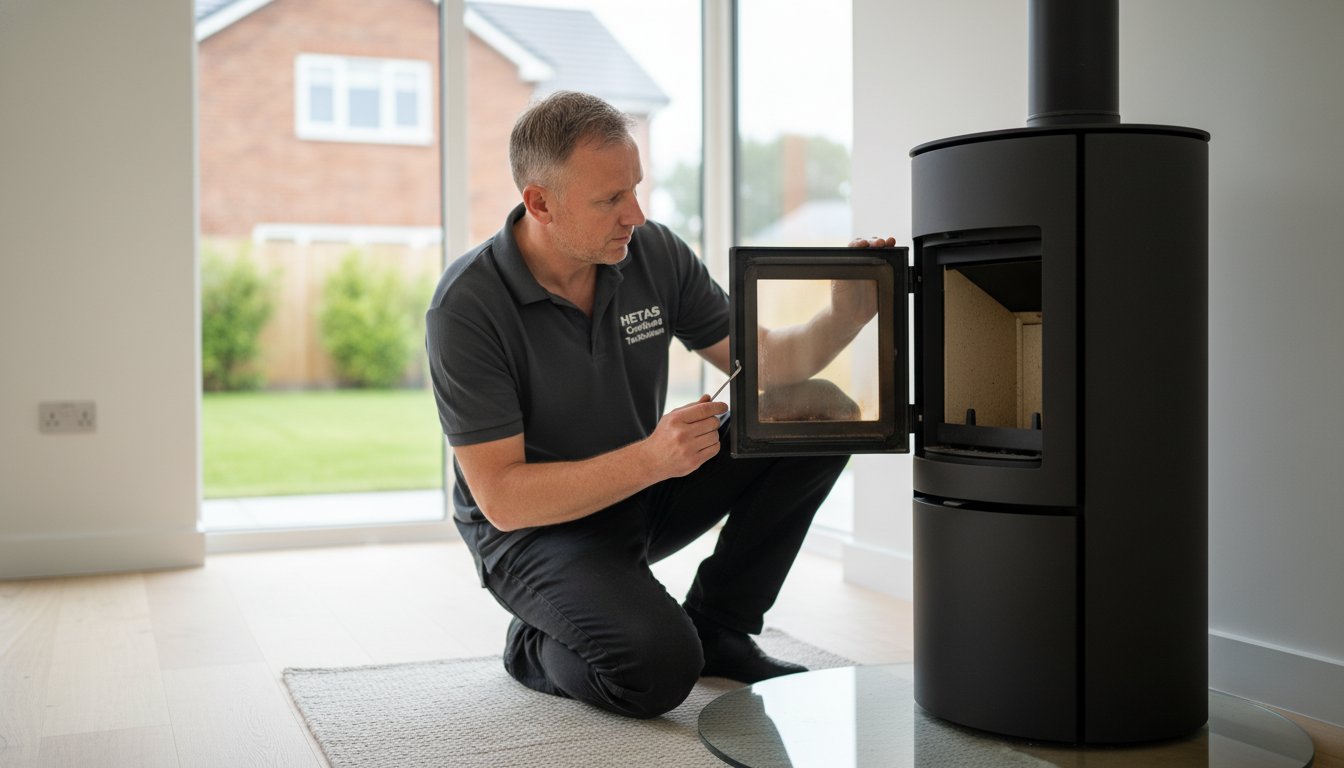
HETAS registration is the gold standard for solid fuel safety in the UK. When you hire a HETAS-certified technician, you're getting someone trained to meet strict Building Regulations. A basic "brush and vac" service isn't enough to guarantee safety. We conduct a thorough inspection of the appliance, the hearth, and the ventilation points. After every sweep, we issue an official safety certificate. This isn't just paperwork; it's a vital document for your home insurance provider. Most UK insurers require proof of professional maintenance at 12-month intervals. If you don't have this certificate, a claim related to fire or gas damage could be rejected.
CCTV Diagnostics for Period Flues
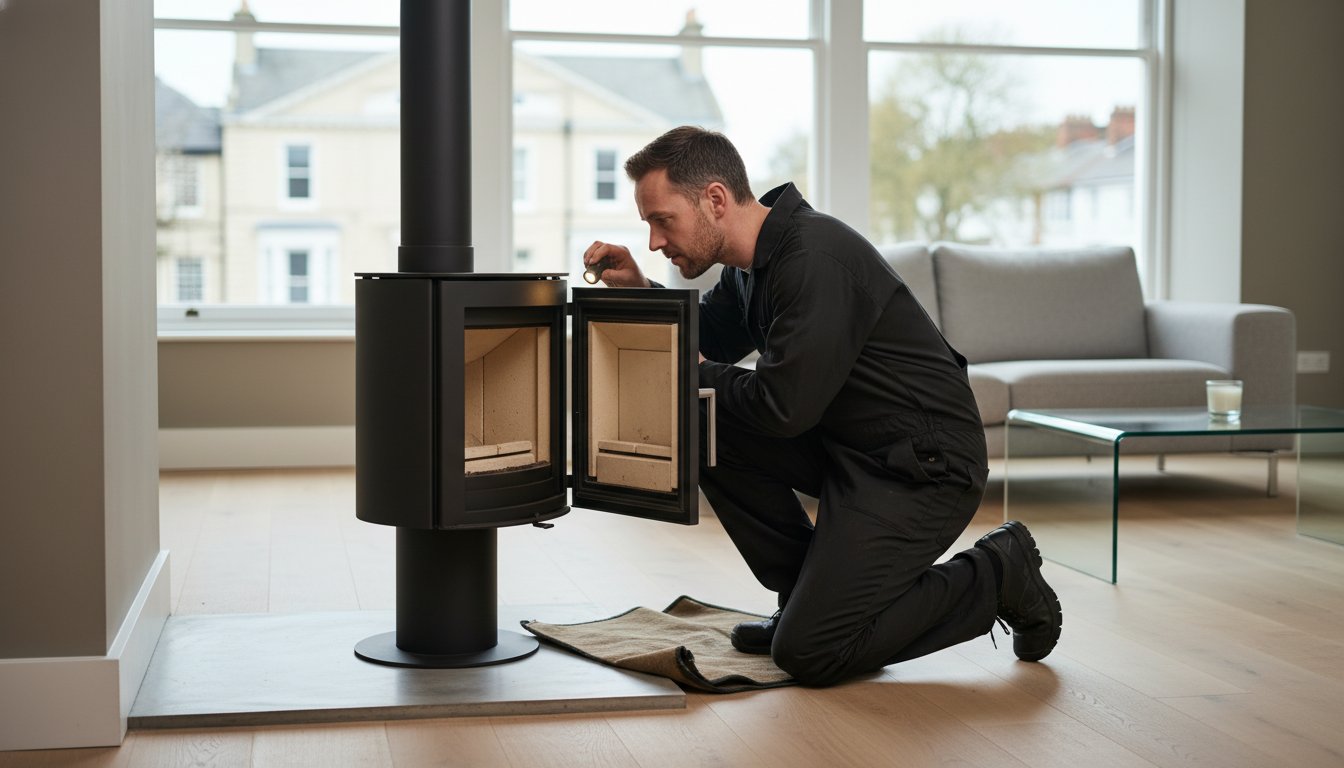
Older properties in Leamington Spa often have brick flues that have degraded over decades. We use high-definition CCTV cameras to inspect the internal chimney walls. These cameras identify "spillage" points where mortar has crumbled, allowing toxic gases to seep through walls into upstairs bedrooms. This structural decay is a major contributor to the carbon monoxide fireplace risk in period homes. Our technology also spots liner failures and blockages from bird nests or debris that a brush might simply push aside. We ensure the flue is clear and the draw is strong. Book your HETAS-certified safety sweep today to protect your home and family from hidden dangers.
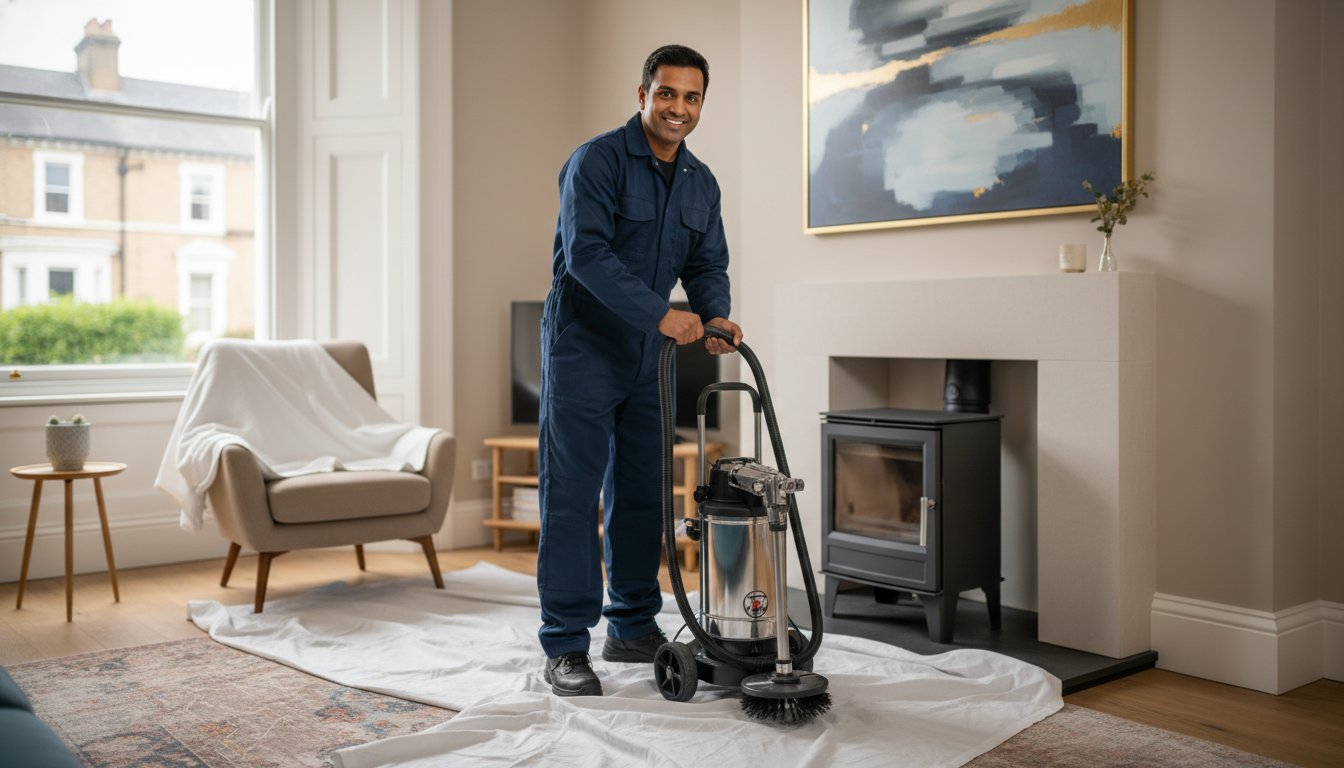
Safety isn't a DIY job. It requires precision and the right equipment. Our team covers the entire region, from the town centre of Rugby to the rural outskirts of Southam. We pride ourselves on a clean, dust-free service that leaves your home as tidy as we found it. Don't leave your safety to chance when professional certification is just a phone call away.
Secure Your Leamington Spa Home Today
Protecting your family from carbon monoxide fireplace risk requires more than just a working alarm; it demands a clear chimney and an airtight seal. According to the UK Health and Safety Executive, around 20 people die every year from accidental carbon monoxide poisoning. Many of these incidents stem from blocked flues or poorly maintained appliances. Whether it's a stubborn bird nest or a degraded seal, these hidden hazards prevent toxic gases from escaping your Warwickshire home safely.
Professional intervention is the only way to ensure your flue functions as intended. Our HETAS-registered technicians provide comprehensive CCTV inspections to identify internal damage before it becomes a life-threatening issue. We don't just clear the soot; we verify the structural integrity of your system. Every visit concludes with the issuance of a safety certificate, giving you the documented proof needed for insurance and peace of mind. Expert nest removal and precision cleaning across Warwickshire ensure your home remains a sanctuary.
Ensure your family’s safety with a professional HETAS-registered chimney sweep from MR-SWEEP
Take the first step toward a safer winter and enjoy your fireplace with absolute confidence.
Frequently Asked Questions
What are the first signs of carbon monoxide from a fireplace?
The first physical signs of carbon monoxide from a fireplace are often flu-like symptoms such as headaches, dizziness, and nausea without a fever. You might also notice visual cues like soot staining around the fireplace or a yellow, floppy flame instead of a crisp blue or orange one. According to the NHS, CO poisoning causes over 200 hospital admissions in England and Wales annually, so don't ignore these warning signs.
Can a blocked chimney cause carbon monoxide poisoning?
Yes, a blocked chimney is a primary cause of carbon monoxide fireplace risk because it prevents combustion gases from venting safely outside. Debris like bird nests or fallen masonry can trap toxic fumes inside your living space. If your chimney isn't cleared, these gases have nowhere to go but back into your room, which creates a life-threatening situation within minutes.
Where is the best place to put a carbon monoxide detector for a wood burner?
You should install your carbon monoxide detector between 1 and 3 metres away from the wood burner to ensure an accurate reading. Mount the device on the ceiling or high up on a wall, at least 150mm away from any corners or obstructions. It's vital to follow Building Regulations Document J, which mandates a CO alarm in any room with a new or replacement fixed solid fuel appliance.
How often should I sweep my chimney to prevent CO risks in Warwickshire?
You must have your chimney swept at least once a year for smokeless fuels and twice a year when burning wood to mitigate carbon monoxide fireplace risk. In Warwickshire, many older properties feature narrow flues that accumulate soot quickly. Regular maintenance by a professional ensures your flue remains clear of the 1 or 2 millimetres of soot buildup that can start to restrict airflow.
Does a wood-burning stove produce more carbon monoxide than an open fire?
A wood-burning stove is designed to be more efficient, but it can produce higher concentrations of carbon monoxide if it's operated incorrectly or "slumbered" at low temperatures. Open fires typically have higher airflow, yet they're more susceptible to downdraughts which push gases back into the home. Both appliances require a clear flue and adequate ventilation to operate safely without endangering your household.
Can carbon monoxide leak through chimney walls in older Leamington Spa homes?
Carbon monoxide can certainly leak through the chimney walls of older Leamington Spa properties if the internal masonry or mortar has degraded over time. Many Victorian and Edwardian homes in the CV31 and CV32 areas have original brick flues that weren't built with modern liners. These porous structures allow gases to seep into bedrooms or loft spaces, making a professional flue integrity test essential for older buildings.
What should I do if my carbon monoxide alarm goes off?
If your carbon monoxide alarm sounds, you must immediately extinguish the fire if it's safe, open all windows, and evacuate the building. Don't stop to collect belongings or investigate the source yourself. Once outside, call the National Gas Emergency service or 111 for medical advice. You shouldn't re-enter the property until a qualified technician confirms the environment is safe.
Is it safe to leave a wood burner on overnight?
It isn't safe to leave a wood burner on overnight or "slumber" the fire by restricting the air supply. This practice leads to incomplete combustion, which significantly increases carbon monoxide production and causes rapid creosote buildup in the flue. The Fire Service reports that restricted airflow fires are a leading cause of chimney fires and CO incidents in UK homes during the winter months.