Did you know that the Home Office recorded 2,540 chimney fires in England between 2022 and 2023? For homeowners in Leamington Spa and Warwick, a roaring fire is the heart of the home, but it shouldn't be a source of anxiety regarding bird nests or soot build-up. Following a professional fireplace maintenance checklist is the most effective way to protect your family and ensure your chimney operates at peak efficiency. We understand you want to enjoy that warmth without worrying about hidden blockages or the mess often associated with traditional cleaning.
It's a common concern that maintenance might be intrusive or complicated, but keeping your hearth in top condition is actually quite straightforward with the right guidance. This article provides a comprehensive roadmap to maintaining your fireplace, ensuring you meet HETAS standards and lower your seasonal fuel costs. We'll walk you through everything from identifying structural issues to obtaining the sweep certificate your home insurance policy demands for total peace of mind.
Key Takeaways
- Learn how regular upkeep protects your Warwickshire home from fire risks while significantly reducing fuel costs during the colder months.
- Follow our comprehensive fireplace maintenance checklist to identify early warning signs like cracked firebricks or tar build-up on stove glass.
- Discover why booking a professional chimney sweep during the spring or summer ensures your home remains safe, clean, and insurance-compliant.
- Understand the critical difference between soot and dangerous creosote to resolve persistent smoke smells and improve chimney draw.
- Master the best practices for fuel selection and log storage to ensure your wood burner operates at peak efficiency with minimal environmental impact.
Why Regular Fireplace Maintenance is Vital for Your Warwickshire Home
Owning a home in Leamington Spa or Warwick often comes with the charm of an original fireplace. However, keeping your family safe requires more than just clearing away ash. A professional fireplace maintenance checklist serves as your primary defence against property damage. According to data from the National Fire Chiefs Council, there are over 3,000 chimney fires in England every year. Most of these incidents happen because of soot and creosote buildup that could have been cleared in under an hour.
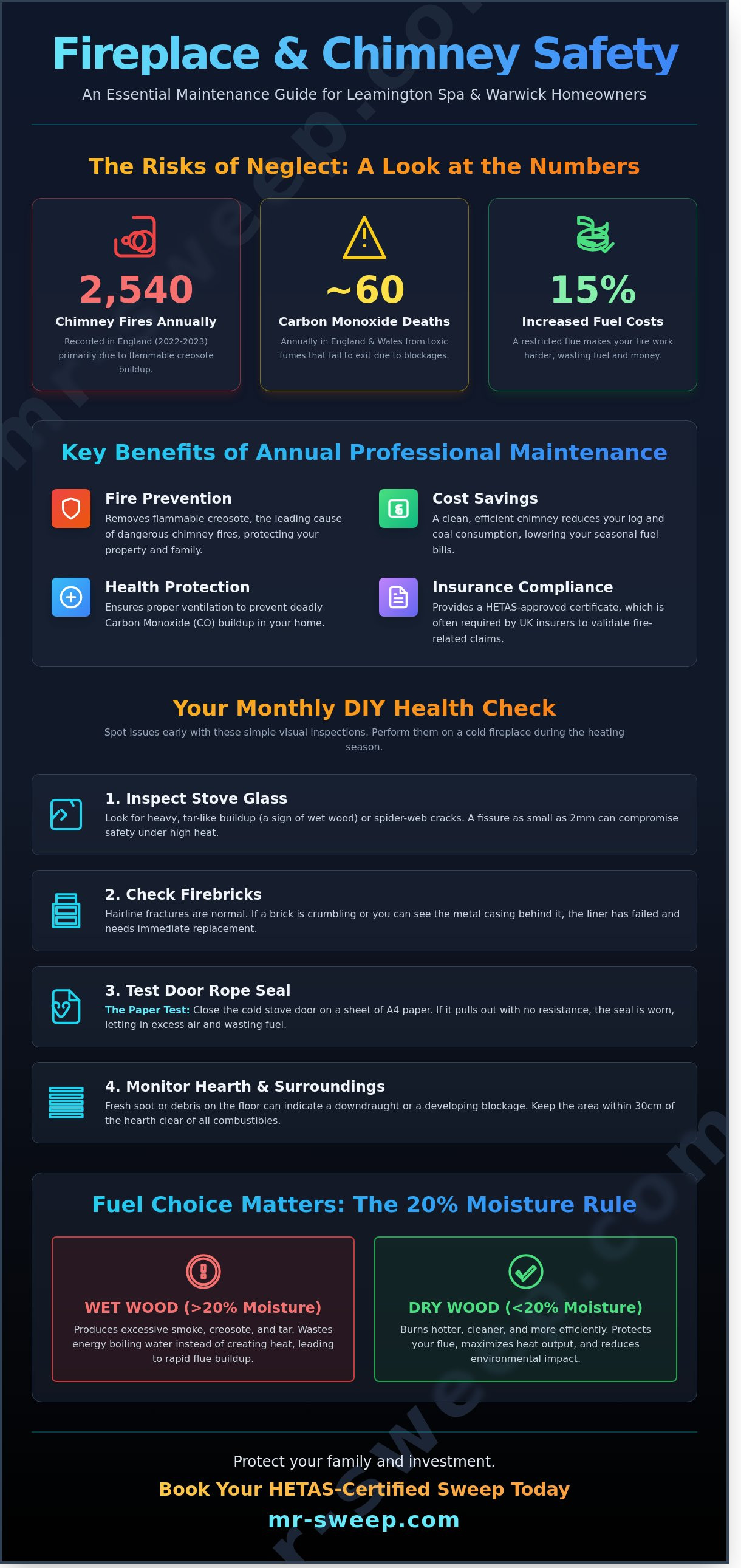
Efficiency is another critical factor. When your flue is restricted by debris, your wood burner or open fire has to work much harder to produce heat. This leads to a 15% increase in fuel consumption. Regular maintenance ensures you aren't literally burning money during cold Warwickshire winters. Beyond costs, safety remains the priority. Carbon monoxide is an odourless, invisible gas that kills approximately 60 people annually in England and Wales. We check your ventilation to ensure these toxic fumes exit your home safely rather than lingering in your lounge.
- Fire Prevention: Removing flammable creosote reduces the risk of chimney fires.
- Cost Savings: Clean chimneys draw better, which lowers your annual log or coal spend.
- Health Protection: Expert inspections identify blockages that cause carbon monoxide leaks.
- Legal Compliance: Many home insurance policies are void if you can't produce a valid sweeping certificate.
The Risks of Neglect in Local Period Properties
Warwick and Leamington are famous for Victorian (1837-1901) and Edwardian (1901-1910) architecture. These older chimneys often feature lime mortar parging that degrades over time. When this lining fails, heat and smoke can leak into floor voids or bedrooms. Local hard water levels, which often exceed 300mg/l of calcium carbonate in Warwickshire, combined with driving rain, can also erode external brickwork. If you notice damp patches on chimney breasts or debris in the hearth, your stack's structural integrity is likely compromised.
Understanding HETAS Standards in the UK
HETAS is the official body recognised by the UK government to approve biomass and solid fuel heating appliances. When you hire a registered professional, you're guaranteed a service that meets strict building regulations. It's a common mistake to think a DIY sweep is sufficient. Most insurance providers in the UK require a certificate of sweeping issued by a qualified technician to honour a fire-related claim. This document, usually costing between £65 and £90 for a standard sweep, is your proof that the fireplace maintenance checklist was completed to professional standards. It provides the peace of mind you need to enjoy your fire safely.
Your DIY Fireplace Maintenance Checklist: Monthly Homeowner Tasks
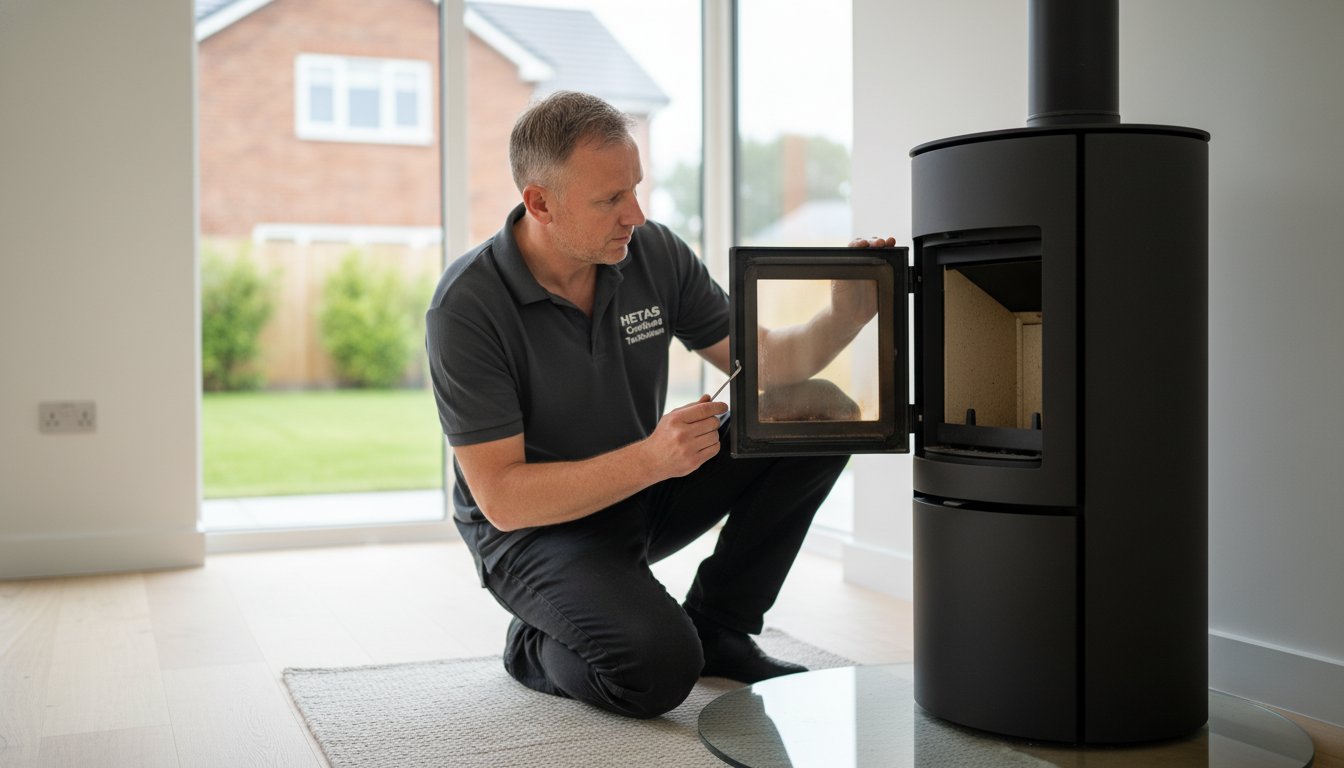
Maintaining a safe home in Leamington Spa or Warwick requires more than just an annual professional sweep. You should perform a basic visual fireplace maintenance checklist every 30 days during the heating season. This proactive approach helps you spot minor wear before it develops into a costly repair or a fire hazard. Start by examining the stove glass. While a small amount of soot is normal, a heavy, tar-like build-up suggests you're burning wood with a moisture content above 20 per cent. Check the glass for any chips or spider-web cracks; even a 2mm fissure can compromise the structural integrity of the unit under high heat.
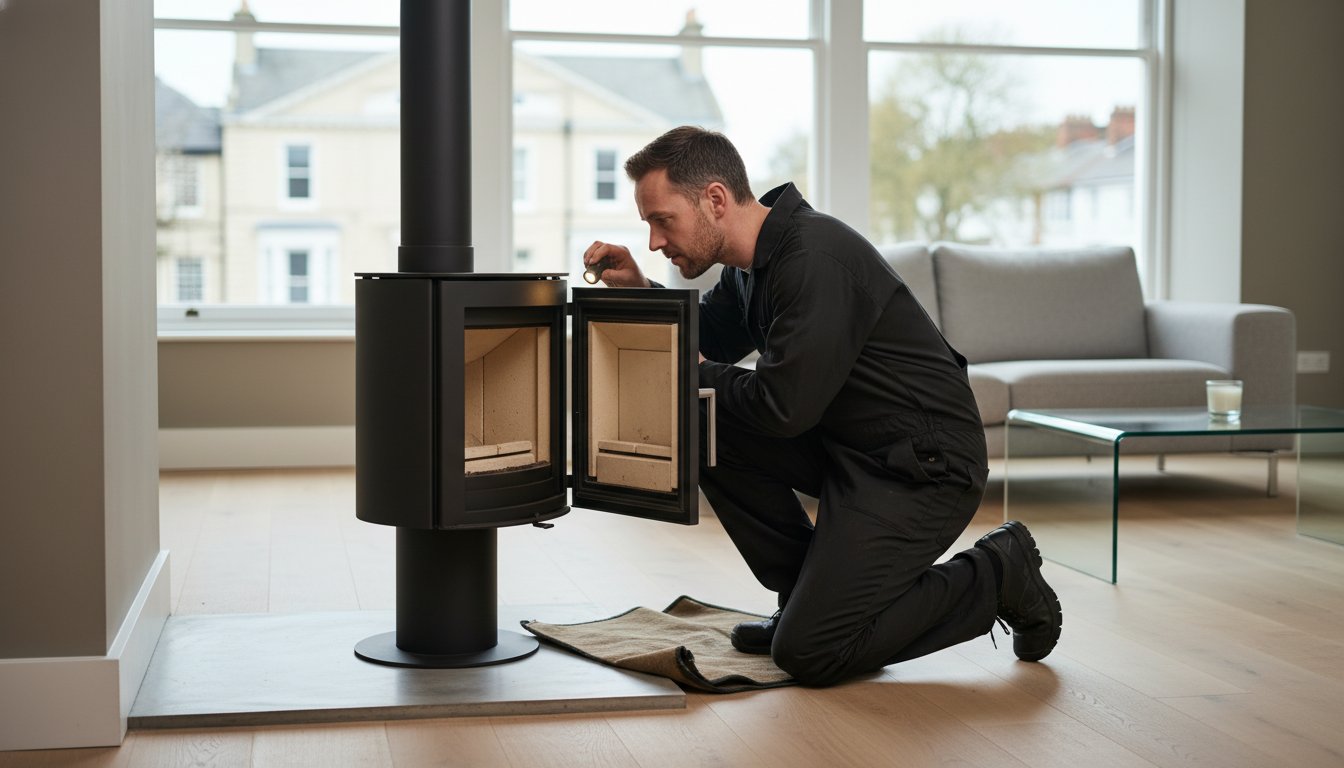
Move your attention to the internal firebricks. These liners protect the outer steel or cast iron shell from warping. It's common to see hairline fractures, but if a brick is crumbling or you can see the metal casing behind a gap, the brick has failed. Monitoring the hearth is equally vital. If you notice fresh soot or debris on the floor after the fire has been out, it often indicates a downdraught issue or a blockage starting to form in the flue. Keeping the area within 30cm of the hearth clear of combustible materials is a non-negotiable safety rule for every household.
Stove Component Health Check
The "paper test" is the most reliable way to check your door rope seal. Open the cold stove door, place a sheet of A4 paper across the frame, and close the door. If you can pull the paper out with no resistance, the seal is compressed and letting in excess oxygen. This leads to an over-firing stove that wastes fuel. If the seal is failing, you can usually find a replacement kit for £15 to £25. When cleaning the glass, avoid abrasive "oven cleaners" that can perish the gaskets. Instead, dip a damp cloth into cold wood ash and rub gently; this natural abrasive removes grime without scratching the finish.
Visual External Inspections
Step into your garden and look up at the chimney stack. Use binoculars if necessary to check if the chimney pot is leaning or if the mortar (flaunching) at the top is cracked. White, salty staining on the brickwork, known as efflorescence, often signals that moisture is trapped inside the masonry, which can lead to structural failure during a frost. In the spring months, watch for jackdaws dropping twigs into the pot. These birds can fill a flue with 2 or 3 metres of nesting material in just 48 hours. If you spot any of these external red flags, it's time to book a professional inspection to ensure your flue remains clear and safe for use.
Professional Chimney Sweeping: The Annual Safety Checklist
Booking your annual sweep between April and August is the smartest move for homeowners in Leamington and Warwick. During the autumn peak, waiting lists often stretch to 21 days or longer. A spring appointment ensures your flue is clear of corrosive soot deposits that can damage your liner over the humid summer months. This proactive step is the most critical part of your fireplace maintenance checklist.
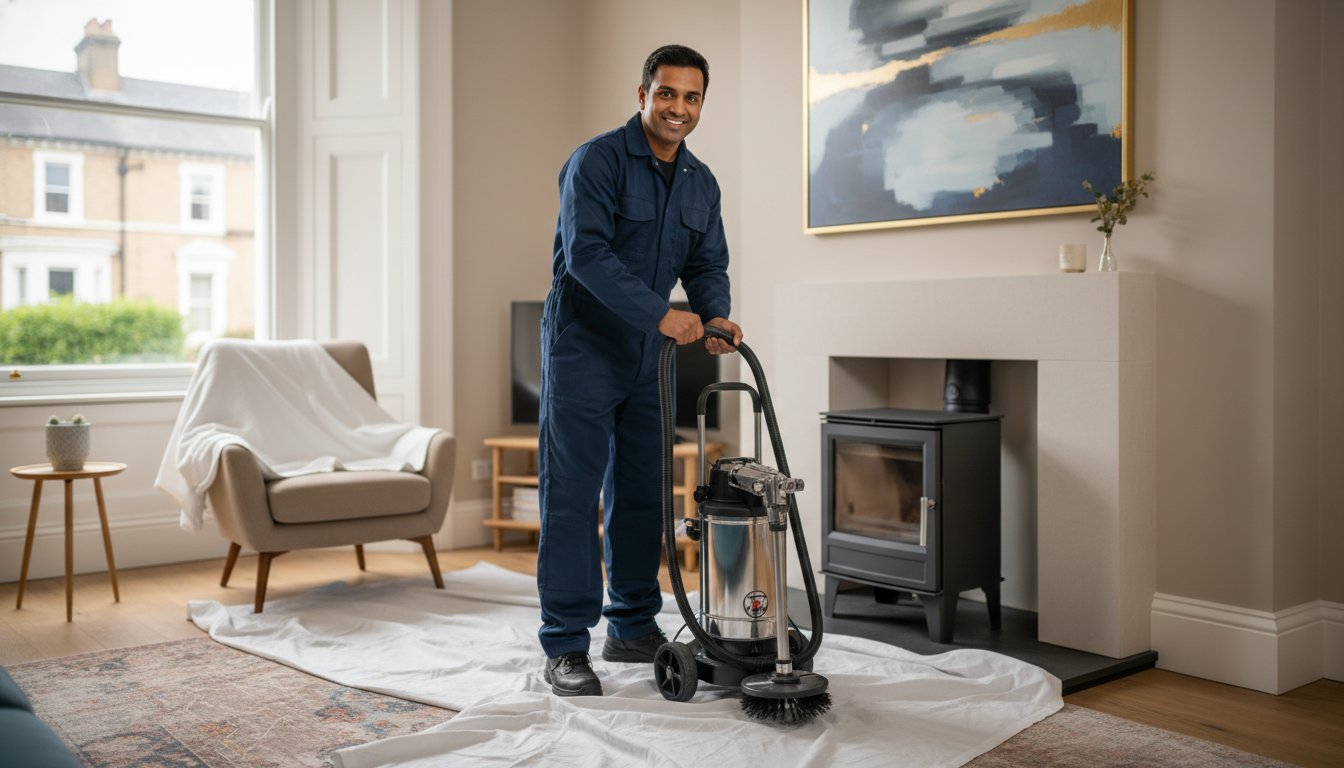
Professional sweeping involves more than just a brush. Adrian uses a combination of industrial-grade HEPA vacuums and power-sweeping technology. Unlike old-fashioned manual rods, these rotating brushes adapt to the shape of your flue; they remove 15% more debris from corners and crevices. We provide a zero-mess guarantee, using heavy-duty floor runners and specialist sealing techniques to keep your carpets and furniture spotless.
If you notice twigs falling into the hearth, you likely have a bird nest. Jackdaws are particularly active across Warwickshire between March and July. Clearing these blockages safely is vital. A single nest can fill several industrial bin bags and completely block carbon monoxide from escaping, creating a lethal hazard if the fire is lit.
What Happens During a Professional Visit?
Preparation is minimal but helpful. We ask that you clear the hearth and remove any fragile items from the immediate area. Adrian uses modern power-sweeping equipment to achieve a deeper clean than traditional methods. The process always concludes with a smoke draw test. This involves using a regulated smoke pellet to verify that the upward draught is sufficient to carry all combustion gases safely out of the chimney. It is a non-negotiable safety check for every home.
Advanced Diagnostics for Peace of Mind
Standard sweeping cannot always identify structural issues. We use high-definition CCTV cameras to inspect the internal integrity of the flue. This is essential for older properties in Kenilworth or Barford where Victorian clay liners may have perished over many decades. If your fire is 'smoking back' into the room, a camera inspection can identify if the cause is a collapsed brick, a lining failure, or a simple blockage. This diagnostic approach is a core element of a robust fireplace maintenance checklist.
For homes in Hatton or surrounding villages, we provide specific guidance on fuel types and moisture levels. Our goal is to ensure your system meets safety standards, giving you total confidence before the first frost of winter arrives. We don't just clean; we ensure your home remains a safe environment for your family.
Troubleshooting Common Fireplace Issues in Leamington Spa
If you notice a lingering smoky aroma or your fire struggles to stay lit, your chimney isn't breathing correctly. Poor draw performance often stems from a cold flue or internal obstructions. Many homeowners in Leamington Spa report smoke entering the room during the initial lighting phase. This usually happens because the air inside the chimney is colder than the air in the house, creating a heavy plug of air that prevents smoke from rising. You can often fix this by warming the flue with a hairdryer or a small firelighter before starting your main fire.
Damp patches appearing on your chimney breast or ceiling usually indicate a failure in the lead flashing or a saturated flue. In Warwickshire, approximately 18% of older properties experience tar bleed, where chemicals from the soot seep through the masonry. This isn't just an aesthetic issue; it suggests a serious lack of ventilation. If your fireplace maintenance checklist doesn't include a regular inspection of the external brickwork, you might miss these early warning signs of water ingress.
You should also learn to distinguish between soot and creosote. Soot is a fine, black powder that brushes away easily. Creosote is a hard, shiny, or flaky substance that clings to the flue walls. If you see shiny black deposits in your hearth, stop using the fire immediately. These deposits are highly combustible and represent the primary cause of chimney fires in the UK.
The Danger of Creosote and Tar
Creosote is a highly flammable byproduct of incomplete combustion.
Burning wet wood with a moisture content exceeding 20% accelerates the accumulation of these dangerous deposits. When you use unseasoned logs, the fire spends its energy evaporating water rather than creating heat, leading to cooler flue temperatures where gases condense into tar. To understand the specific threats to your home, read our guide on Creosote in Chimney: Identifying and Removing Risks in Leamington Spa.
Solving Blockage and Nest Problems
Jackdaws are notorious for colonising Warwickshire chimneys between March and July. A single nest can be several metres deep, consisting of hundreds of twigs that completely block the flue. Under the Wildlife and Countryside Act 1981, it's illegal to remove a nest while it's in use. You must wait until the chicks have fledged before booking a clearance. A professional sweep uses specialist power-sweeping tools and CCTV cameras to ensure every twig is removed. This restores full safety to your flue and ensures your fireplace maintenance checklist is complete before the winter season begins.
If you suspect a blockage or notice unusual smells coming from your flue, don't take the risk. Book a professional chimney inspection to ensure your home remains safe and efficient.
Preparing for Winter: Fuel and Seasonal Planning
The final step of your fireplace maintenance checklist involves more than just cleaning; it requires a strategic approach to what you burn and when you book your service. In the Midlands, our damp winter climate can quickly compromise poorly stored fuel, leading to inefficient burns and increased soot production. Taking the time to source and store the correct materials ensures your stove operates at peak efficiency throughout the coldest months.
Fuel Quality and Efficiency
Using the right fuel is the easiest way to protect your chimney lining. Since May 2021, the UK government has required wood sold in volumes under 2m3 to be "Ready to Burn" certified. This certification guarantees a moisture content of 20% or less. If you burn unseasoned "wet" wood, your stove wastes energy evaporating water rather than producing heat. This process creates heavy creosote deposits that cling to your flue. These deposits are the primary cause of chimney fires and can corrode stainless steel liners within just 3 to 5 years.
To keep your system healthy, always store logs in a raised wood store with a waterproof roof and open sides for airflow. For detailed advice on local suppliers, see our guide on the Best Fuel for Wood Burner UK: A Local Guide for Leamington Spa & Warwick.
Your Local Maintenance Partner
Homeowners in Coventry, Southam, and Rugby rely on MR-SWEEP because we treat every home with the precision of a master craftsman. We understand that a fireplace isn't just a feature; it's a vital safety component of your property. Our HETAS-registered technicians provide more than a simple sweep. We offer a full safety inspection and a certificate of sweeping, which is often a mandatory requirement for UK home insurance policies.
A professional maintenance schedule should include:
- Annual Sweeping: Essential for smokeless fuel and oil-fired appliances.
- Bi-Annual Sweeping: Recommended for wood burners used as a primary heat source.
- Integrity Checks: Inspecting fire bricks and door seals for cracks that allow dangerous fumes to leak.
- Draught Testing: Ensuring the chimney pulls air correctly to prevent carbon monoxide buildup.
The autumn rush usually begins in September, often leading to longer wait times. We recommend booking your 2026 sweep well in advance to ensure your fireplace maintenance checklist is complete before the temperature drops. Contact us today to secure your appointment and enjoy the peace of mind that comes with a clean, safe, and efficient home fire.
Secure Your Warwickshire Home for the Winter Season
Adhering to a consistent fireplace maintenance checklist is the most reliable way to protect your Leamington Spa or Warwick property from avoidable fire hazards. While monthly DIY tasks keep your hearth tidy, an annual professional sweep is essential for insurance compliance and system efficiency. Statistics indicate that regular maintenance helps prevent a significant portion of the 3,000 chimney fires reported across the UK each year. Our HETAS-registered technicians provide specialist stove repairs and high-definition CCTV inspections to identify hidden structural issues before they become dangerous.
We issue a full safety certificate with every visit, ensuring your home meets all current UK regulations. You'll receive a professional service that prioritises cleanliness and precision, leaving your home exactly as we found it. Don't wait for a blockage or smoke issue to compromise your safety this winter. Book your professional chimney sweep and safety inspection with MR-SWEEP today and relax knowing your fireplace is in expert hands.
Frequently Asked Questions
How often should I have my chimney swept in Leamington Spa?
You should have your chimney swept at least once every 12 months to comply with home insurance requirements and safety standards. If you burn wood or house coal in your Leamington Spa home, we recommend a professional sweep twice per year during the heating season. Regular cleaning prevents creosote buildup, which causes 37% of chimney fires in the UK. This schedule is a vital part of your fireplace maintenance checklist to ensure your flue remains clear and efficient.
Can I sweep my own chimney to save money?
You can attempt to sweep your own chimney, but it isn't recommended because it often voids your home insurance policy. Professional sweeps use power-sweeping equipment and provide a certificate of chimney sweeping. Without this document, 95% of insurers will reject claims related to fire damage. We also inspect for structural flaws that a DIY kit might miss, protecting your family from carbon monoxide.
What is a HETAS certificate and do I really need one?
A HETAS certificate is a legal document proving your stove installation complies with UK Building Regulations Part J. You definitely need one if you sell your property or if a fire occurs. Local authorities in Warwick can issue fines up to £5,000 for non-compliant installations. It guarantees that the appliance is safe to use and was fitted by a registered technician who understands ventilation and flue requirements.
How do I know if there is a bird's nest in my chimney?
You'll likely see twigs, moss, or feathers dropping into your fireplace if a bird is nesting. Jackdaws are particularly active in Warwickshire between 1st March and 31st August. If you hear scratching or chirping, don't light a fire. It's illegal to remove an active nest under the Wildlife and Countryside Act 1981, so we must wait until the chicks have fledged before clearing the blockage.
What should I do if my wood burner glass cracks?
Stop using the stove immediately because even a hairline fracture can allow carbon monoxide to leak into your room. Order a replacement ceramic glass panel designed to withstand temperatures up to 800°C. Don't use standard window glass, as it will shatter instantly under heat. Replacing the seal or rope at the same time ensures the unit remains airtight and operates at its peak 80% efficiency.
Will a chimney sweep make a mess in my living room?
We guarantee a mess-free service by using industrial-grade HEPA filtered vacuums and heavy-duty floor coverings. Our technicians seal the fireplace opening completely before the sweeping process begins. This prevents 99.9% of soot particles from escaping into your living area. You won't need to cover your furniture, though we suggest clearing a 2-metre space in front of the hearth for our equipment and ease of access.
How long does a professional fireplace maintenance visit take?
A standard professional visit typically takes between 45 and 90 minutes. This timeframe includes the initial inspection, the sweep itself, a smoke draw test, and issuing your safety certificate. If we find significant blockages or bird nests, the process might take longer. We value your time and work efficiently to ensure your fireplace maintenance checklist is completed thoroughly without disrupting your entire afternoon.
Why is my fireplace smoking even after it has been swept?
Smoking often occurs because of cold backdraught or using wood with a moisture content above 20%. If the flue is too cold, the smoke won't rise. Try warming the chimney with a hairdryer or a small kindling fire first. Other causes include blocked ventilation or a chimney pot that's too small for the appliance's output. We can diagnose these pressure issues during our visit to restore proper airflow.